How to Mound Soil Around Potatoes: The Ultimate Step-by-Step Guide
Mounding soil around potatoes is a fundamental practice that protects developing tubers from sunlight and improves harvest efficiency. This simple technique helps prevent greening and creates a cleaner growing environment for your crop. By gradually building soil around the base of the plants, you encourage the formation of more edible roots while suppressing weeds.
When you mound soil properly, you create a cooler, darker zone that is ideal for tuber development. Consistent moisture and stable temperatures in the root zone lead to higher quality yields. Understanding the timing and method of this process is key to maximizing your potato production.
Timing Your First Mound
The initial mounding usually occurs when the potato plants reach about six inches in height. At this stage, the foliage is robust enough to withstand gentle covering without breaking stems. Waiting too long can result in tubers pushing up through the soil and turning green.


Performing this task early in the season provides stability to the plant and encourages a strong root system to form below the soil line. You should aim to cover at least half of the stem while leaving the top leaves exposed to sunlight. This balance ensures the plant can continue photosynthesizing while protecting the young tubers.
Early Stage Benefits
Covering the lower leaves during the first mounding helps keep the plant upright during windy or rainy weather. It also reduces the risk of soil-borne diseases splashing onto the leaves from the ground. Creating a solid base early on makes subsequent mounding operations much easier.


Plants that receive an early mound typically show increased vigor as they focus energy on tuber formation rather than surface root growth. You will often notice thicker stems and darker green leaves following this procedure. Observing this response is a good indicator that your crop is on track.
Stem Rooting Prevention
One critical goal of the first mound is to prevent roots from forming on the buried stem. These stem roots do not contribute to tuber growth and can sometimes compete for resources. Keeping the bottom leaves buried stops the plant from developing adventitious roots in that zone.
By maintaining a clean stem line just above the soil, you ensure that the plant's energy is directed toward the tuber bank. This practice also makes it easier to assess the health of the main stem during routine inspections. Proper stem management is a subtle but important aspect of successful mounding.


Performing the Main Mound
After the initial mounding, you will need to add more soil as the plants grow taller. The main mound is typically done when the plants are about twelve to eighteen inches high. This second application ensures that developing tubers remain completely covered as the plant canopy expands.
Using a hoe or cultivating tool, pull soil from between the rows up toward the base of the plants. Form a hill that is several inches high around the entire plant cluster. The goal is to create a tapered slope that sheds water and prevents pooling around the stems.
Soil Texture Considerations
Loose, friable soil works best for mounding because it settles gently around the stems without compacting. Heavy clay clods can damage tender shoots and create a barrier that prevents stem expansion. If your soil is dense, consider mixing in compost or coarse sand to improve the texture.


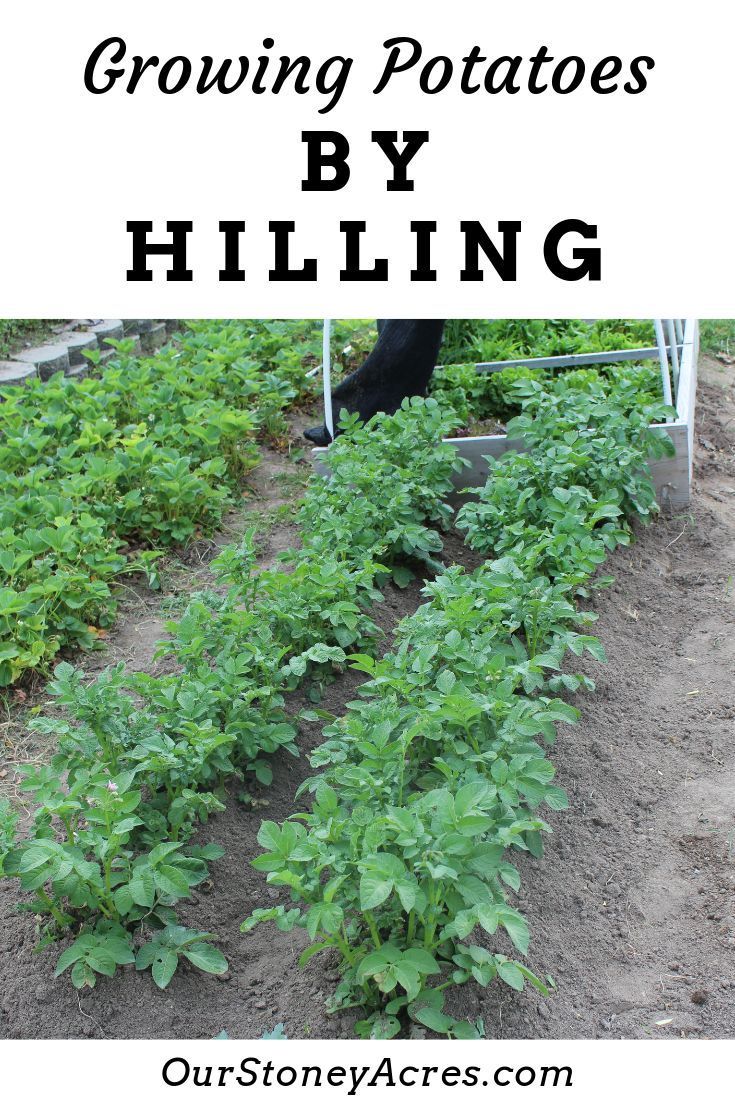


Sandy soils drain quickly but may require more frequent mounding to maintain coverage. Regardless of your native soil type, the mound should feel light and porous to the touch. A well-structured medium allows for proper gas exchange around the underground stems.
Equipment and Efficiency
For larger plantings, a tractor-mounted potato plow can dramatically reduce the time required for mounding. This tool lifts soil and moves it between rows in a single pass, creating a uniform contour behind the machine. Smaller gardens can be managed effectively with a standard shovel or hoe and some physical effort.
Regardless of the tools you choose, work carefully to avoid cutting into the tubers just beneath the surface. Running a sharp tool along the row edge helps clean up the mound and remove excess weeds. Taking your time during this step pays off in the quality of the final harvest.
Secondary Mounding and Maintenance
Depending on the potato variety and your climate, you might need a third mounding operation. This usually occurs when the plants begin to flower, indicating that new tubers are forming higher up on the stem. A light pass with soil at this stage can significantly increase your total yield.
During the growing season, check your mounds after heavy rainfall. Water and wind can wash away the protective soil cover and expose developing tubers. Simply adding a handful of soil to vulnerable spots is often enough to prevent greening and sunscald.
Weed Suppression Strategies
Mounding soil effectively smothers emerging weeds between potato rows, reducing the need for hand weeding. As the hill builds up, it covers small weed seedlings that would otherwise compete for moisture and nutrients. This natural barrier allows your potatoes to dominate the available space.
You should still inspect the rows periodically for persistent weeds that grow through the mound. Grasp these intruders at the base and pull them upward, ensuring you remove the entire root system. Keeping the mound intact after weeding preserves its moisture-retention benefits.
Moisture Retention Benefits
The compacted soil of a well-built mound acts like a sponge, holding rainfall and irrigation water close to the root zone. This is particularly valuable during dry spells when consistent moisture is critical for tuber expansion. Less water evaporation from the soil surface means your plants use the available resources more efficiently.
Be mindful not to make the mound so tight that water runs off instead of soaking in. The ideal structure allows water to penetrate slowly without causing erosion around the stem base. Monitoring your mound integrity after storms is part of long-term field management.
Mastering the art of mounding soil around potatoes transforms a simple chore into a strategic move that directly impacts your harvest. Paying attention to texture, timing, and maintenance ensures that your efforts translate into healthy plants and undamaged tubers. As you refine this skill season after season, you will develop an intuitive sense for what works best in your specific garden conditions and soil environment.
Related Articles

How to Mound Potatoes in a Raised Bed: The Ultimate Step-by-Step Guide
Mounding potatoes in a raised bed transforms a simple container garden into a high-yield powerhouse, protecting developing tubers from light and damage. This...

How to Make a Mound for Planting: The Ultimate Step-by-Step Guide
Creating a mound for planting is a simple yet highly effective technique that improves drainage, warms the soil, and adds visual interest to any garden. This...
How to Mound Garden: The Ultimate Step-by-Step Guide
Mounding garden is a highly effective technique for creating ideal growing conditions without needing to own a large plot of land. This method involves...

The Ultimate Guide to Preparing Soil for Artificial Grass: Step-by-Step Tips
Installing artificial grass can transform your outdoor space into a lush, green oasis that looks incredible year round. Proper preparation is the single most...
How to Mound Potato Plants: The Ultimate Step-by-Step Guide
Learning how to mound potato plants is one of the most rewarding skills a gardener can develop, transforming a simple row of foliage into a powerhouse of tuber...

Grow Potatoes in Planter Box: The Ultimate Step-by-Step Guide
Growing potatoes in a planter box is an ideal solution for gardeners with limited space who still want to enjoy a fresh, satisfying harvest. This method...