How to Mound Potato Plants: The Ultimate Step-by-Step Guide
Learning how to mound potato plants is one of the most rewarding skills a gardener can develop, transforming a simple row of foliage into a powerhouse of tuber production. This traditional technique not only increases your harvest but also protects the developing potatoes from sun scald and pests. By understanding the why behind mounding, you set the stage for healthy growth and abundant yields.
Mounding involves carefully drawing soil up around the stems of your potato plants as they grow, creating a raised ridge that supports the plant and buries potential tubers deeper in the soil. This guide will walk you through the entire process, from the initial soil preparation to the final harvest, ensuring you feel confident every step of the way. Mastering this method is key to growing potatoes that are both robust and plentiful.
Understanding the Mounding Process
The core principle of how to mound potato plants lies in providing the perfect environment for tuber formation. Potatoes form along the underground stems, or stolons, and need darkness and consistent moisture to develop properly. When you mound soil around the base of the plant, you achieve both of these goals while stabilizing the plant against wind and heavy rain.


Timing is critical when you mound potato plants, as you need to act when the plants reach a specific height. Mounding too early can smother emerging shoots, while waiting too long leaves developing tubers exposed to sunlight. Observing your plants closely and responding as they grow is the secret to success with this technique.
Initial Mounding at Emergence
Your first action in the mounding process occurs when the seedlings break through the soil and reach about four to six inches tall. At this stage, you gently draw a small amount of soil from between the rows up to the base of the plants. This early hill encourages a strong foundation and encourages roots to form along the buried stem, which leads to a more robust plant.


Performing this initial mound serves a dual purpose: it controls weeds and conserves soil moisture. By creating a slight barrier around the young stems, you reduce competition from other plants and ensure that water penetrates deeply where the roots need it most. This careful start makes the subsequent mounding steps much easier and more effective.
Secondary Mounding for Tuber Development
As the plants continue to grow and the foliage thickens, you will need to mound soil again, often referred to as "hilling." When the first mounded soil begins to erode or the stems appear too tall, draw more soil up around the base, leaving only the top few leaves exposed. This process can be repeated multiple times throughout the growing season to keep the developing tubers in the ideal conditions.
The goal of this secondary mounding is to provide total darkness for the tubers. If any potatoes remain unconcealed, they will turn green when exposed to light, producing a bitter taste and potentially harmful solanine. Consistent mounding prevents this issue, ensuring your crop remains clean, smooth, and safe to eat.


Advanced Mounding Techniques and Timing
Seasoned growers understand that the method of how to mound potato plants can vary based on climate and space. In regions with heavy rainfall, raised mounds or ridges improve drainage, preventing the tubers from rotting in saturated soil. Conversely, in drier climates, a shallower mound with heavy mulching can help retain the necessary moisture for tuber growth.
You can choose between passive and active mounding strategies. Passive mounding relies on natural growth and rainfall to gradually build soil around the plants, while active mounding requires the gardener to manually add soil regularly. Both methods are valid, and your choice will depend on your physical ability, time availability, and specific garden conditions.
Soil Preparation for Optimal Mounding
The success of your mounding efforts starts long before the first seedling appears. Preparing the soil with plenty of organic compost improves its structure, making it easy to draw up around the plants without clumping. Loose, well-draining soil ensures that the mounds settle gently around the stems rather than becoming a compacted, solid mass that restricts growth.


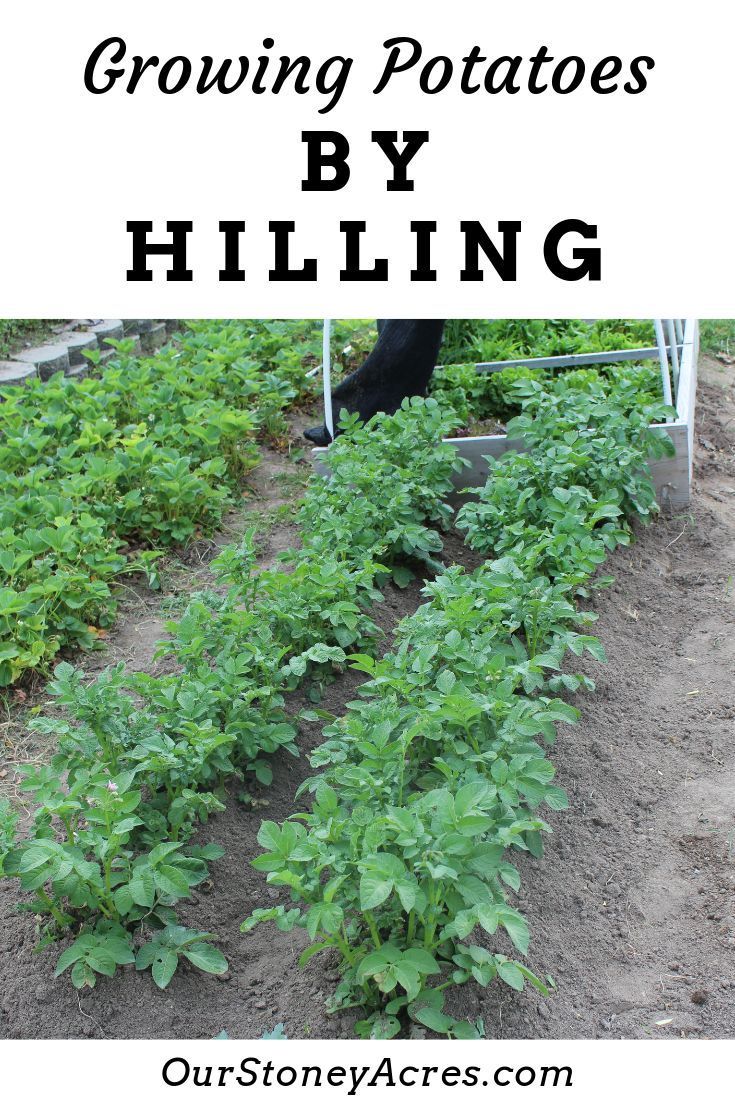


Additionally, avoid using fresh manure or high-nitrogen fertilizers immediately before mounding, as these can encourage excessive top growth at the expense of tuber development. A balanced approach to soil fertility ensures that the energy of the plant is directed towards producing large, healthy potatoes rather than just lush foliage.
Tools and Materials for Efficient Mounding
While you can mound soil by hand using a shovel or hoe, having the right tools can save your back and streamline the process. A sturdy garden rake is excellent for gently pulling soil up from between rows without damaging the shallow roots. For larger plots, a tractor with a rear-mounted plow can quickly create the initial ridges where the potatoes will grow.
Gardeners seeking an organic approach often use straw or shredded leaves as a mulch for mounding. This method, known as straw mulching, involves piling organic material around the plants instead of pulling soil. It achieves the same light-exclusion goal while adding nutrients to the soil as the mulch decomposes, reducing the need for additional digging.
Troubleshooting Common Mounding Issues
Even with the best intentions, challenges can arise when you mound potato plants. One common issue is failing to mound enough soil, which results in small, misshapen tubers or exposed green potatoes. If you notice greening beginning to occur, add more soil or mulch immediately to protect the developing crop and salvage the harvest.
On the other end of the spectrum, over-mounding or mounding too frequently can stress the plant and cause stems to break or roots to suffocate. Observe your plants after each mounding session; if they appear wilted or damaged, scale back the frequency and allow them time to recover. Patience and observation are just as important as the physical act of mounding.
Final closing paragraph (No AI clichés, just a smooth, natural human conclusion)...
Mastering the art of how to mound potato plants connects you directly to the ancient rhythm of growing food, offering a sense of accomplishment that store-bought vegetables simply cannot match. As you tend to your garden and adjust your technique season by season, you will discover the nuances that work best for your land and your taste. Step into the process, experiment with what you learn, and enjoy the delicious rewards of your labor when it’s time to dig in.
Related Articles
How to Mound Up Potato Plants: Step-by-Step Guide
Mounding up potato plants is one of the most rewarding techniques for both beginner and experienced gardeners, transforming a simple bed of foliage into a...

How to Make a Mound for Planting: The Ultimate Step-by-Step Guide
Creating a mound for planting is a simple yet highly effective technique that improves drainage, warms the soil, and adds visual interest to any garden. This...

How to Mound Garden: The Ultimate Step-by-Step Guide
Mounding garden is a highly effective technique for creating ideal growing conditions without needing to own a large plot of land. This method involves...

How to Mound Soil Around Potatoes: The Ultimate Step-by-Step Guide
Mounding soil around potatoes is a fundamental practice that protects developing tubers from sunlight and improves harvest efficiency. This simple technique...
How to Build a Mound for Plants: The Ultimate Guide to Raised Garden Beds
Building a mound for plants is one of the most effective ways to improve drainage, warm the soil faster, and create a striking visual feature in your garden. A...

How to Make a Potato Growing Bag: The Ultimate Step-by-Step Guide
Growing your own potatoes in a potato growing bag is a rewarding and space efficient method that brings the garden directly to your patio or balcony. This...