How to Mound Potatoes in a Raised Bed: The Ultimate Step-by-Step Guide
Mounding potatoes in a raised bed transforms a simple container garden into a high-yield powerhouse, protecting developing tubers from light and damage. This technique mirrors traditional hill planting but offers superior control over soil quality and drainage in an elevated setup. By gradually drawing soil around the stems, you encourage the plant to form more roots along the buried stem, leading to a bigger harvest of clean, well-shaped potatoes. For gardeners seeking a tidy, efficient method, learning how to mound potatoes in a raised bed is a fundamental skill that maximizes space and minimizes disease pressure.
In a raised bed environment, the benefits of mounding are even more pronounced because you can fill the structure with a perfectly balanced, loose, and friable growing medium. This prevents the common problems of soil compaction and poor drainage that plague in-ground gardens. The improved airflow around the foliage and tubers significantly reduces the risk of fungal blights, while the contained walls make it easier to manage weeds. Understanding how to mound potatoes in a raised bed correctly is the key to unlocking vigorous growth and a plentiful early-season crop.
Preparing Your Raised Bed for Mounding
Before you even think about planting, the foundation of successful mounding starts with preparing the raised bed itself. A well-designed bed ensures that excess water drains freely away from the tubers, which is critical to prevent rot. You should fill the bed with a mix of high-quality topsoil, compost, and coarse materials like straw or shredded leaves to create a light, airy structure that holds moisture without becoming waterlogged.


Another vital element is selecting the right potato varieties for your climate and space. Look for early or mid-season varieties that are well-suited to container growing, as they tend to produce more uniform tubers that are easier to mound around. Choosing certified seed potatoes from a reputable supplier will give you a significant head start in achieving a healthy stand, making the mounding process smoother and more predictable.
Soil Mix and Drainage
The specific soil mix you use is the backbone of your potato-growing success, particularly when learning how to mound potatoes in a raised bed. A recipe consisting of equal parts quality garden loam, compost, and perlite or coarse sand creates the ideal environment for tuber formation. This blend retains enough moisture to support steady growth while allowing excess water to drain rapidly, which is essential to prevent the tubers from suffocating or rotting.


Additionally, ensuring proper drainage holes in the bottom of the raised bed cannot be overstated. Without adequate outflow, heavy watering or rainfall will pool at the base, creating a dense, anaerobic environment that encourages disease. A well-draining bed allows you to water deeply during the mounding process without worrying about waterlogging the delicate roots and tubers.
Choosing the Right Potato Varieties
Selecting the correct potato varieties is a strategic step that influences every aspect of the mounding process. Determinate, or bush-type, potatoes usually perform better in raised beds because they grow to a manageable height and produce a concentrated crop that is easier to mound around. These varieties typically mature faster, allowing you to plan your harvest schedule with greater certainty.
Indeterminate, or vining, varieties can also be used but require more attention during the mounding phase because they continue to grow taller throughout the season. If you choose this type, be prepared to mound soil multiple times as the plant grows, ensuring that you always have enough loose material to cover the emerging stems without smothering the plant.



The Mounding Process Step by Step
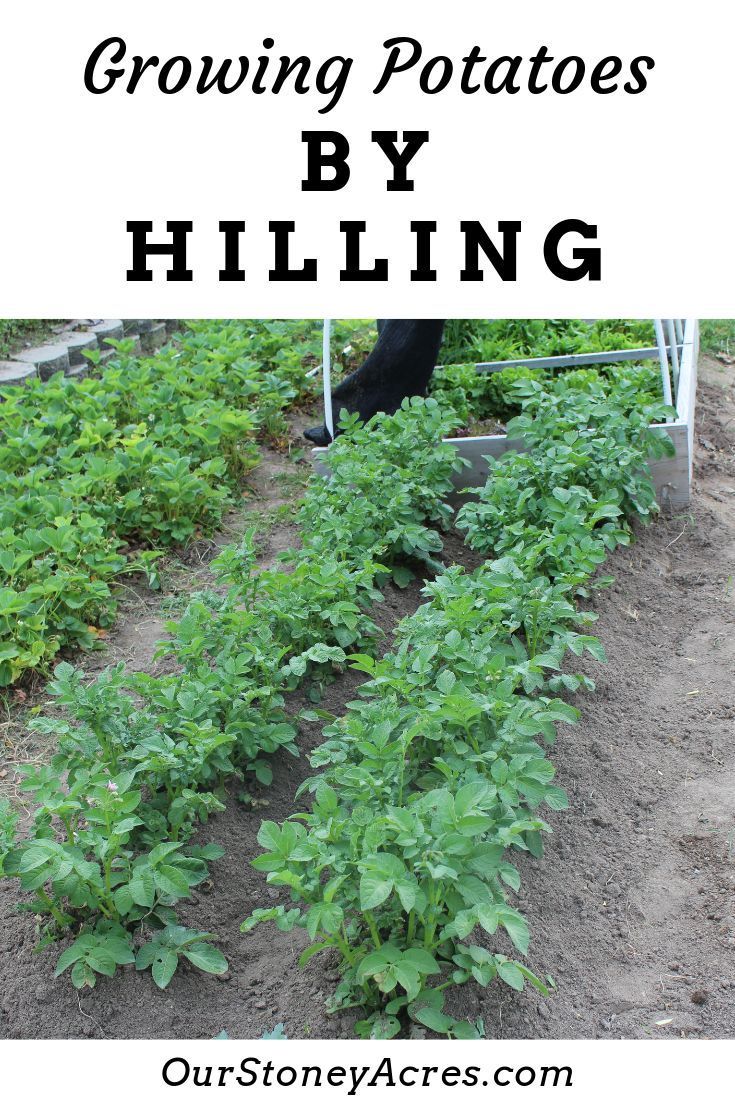
Once your raised bed is prepared and your seed potatoes are chitting, it is time to plant. Place the seed potatoes about four inches deep in the soil, spacing them roughly twelve inches apart. After covering them, wait until the shoots emerge and reach about six to eight inches tall, which is the perfect signal to begin the first mounding phase. At this stage, gently draw soil from between the plants to form a small hill around the base, ensuring that only the top few leaves remain exposed to sunlight.
This initial mounding event is critical for encouraging the potato stems to develop roots along their length, which directly translates to more tubers. As the plants grow, you will need to repeat the process, adding more soil or organic mulch every few weeks. Proper technique in how to mound potatoes in a raised bed ensures that the tubers remain in complete darkness, which prevents them from turning green and producing solanine, a bitter and potentially harmful compound.
Timing Your First Mound
The timing of the first mound is arguably the most important factor in the entire process. You should initiate mounding when the shoots have reliably reached a height of six to eight inches, as this indicates that the plant is strong enough to support the added soil. Mounding too early can bury the developing leaves and stunt growth, while waiting too long allows the tubers to form too close to the surface, exposing them to light.


To execute this correctly, use a hand trowel or your fingers to carefully pull soil up around the base of the plant. Build the mound gradually so that it rises a few inches above the current soil level, creating a protective collar around the stems. This technique stabilizes the plant and creates the dark, nutrient-rich environment that triggers the formation of new tuber clusters along the buried stem.
Adding Mulch During Mounding
Instead of relying solely on soil, many experienced gardeners prefer to use organic mulch, such as straw, grass clippings, or shredded leaves, during the mounding process. Mulch offers excellent insulation for the tubers, helping to regulate soil temperature and retain consistent moisture. It also decomposes over time, adding valuable organic matter back into the raised bed to feed the plants.
When using mulch, create a thick layer that completely covers the soil between the plants, ensuring that no green foliage is exposed. This method is exceptionally clean and reduces the physical strain of moving heavy soil, making it an ideal option for gardeners who want to simplify how to mound potatoes in a raised bed while still reaping all the traditional benefits of the practice.
Ongoing Care and Maintenance
After completing the initial mounds, consistent watering becomes essential to support the growth of the tubers. The soil in a raised bed can dry out more quickly than garden soil, so monitor moisture levels regularly, especially during hot, dry weather. The goal is to keep the soil evenly moist but not saturated, as waterlogged conditions can lead to root rot and other fungal issues that compromise the crop.
Weed control is another critical aspect of ongoing care. weeds compete aggressively with potato plants for water and nutrients, which can significantly reduce your yield. Because mounding creates a dense mat of soil or mulch around the base of the plant, it naturally suppresses many weeds, but you should still inspect the bed periodically to remove any persistent intruders by hand.
Watering Strategies for Mounded Plants
Effective watering is about applying the right amount of moisture at the right time. When you mound potatoes, you create a small basin effect around the plant, which can help capture water during irrigation. Use a soaker hose or drip irrigation placed on the soil surface to deliver water directly to the root zone without wetting the foliage, which minimizes the risk of disease.
Deep, infrequent watering is generally more effective than frequent shallow watering, as it encourages the roots to grow downward in search of moisture. This deep root system supports the heavy load of tubers forming underground and helps the plant withstand periods of drought without stressing the tuber development process.
Pest and Disease Management
While raised beds and mounding techniques naturally reduce the incidence of soil-borne diseases, pests can still pose a threat to your potato crop. Common culprits include Colorado potato beetles, aphids, and wireworms, all of which can defoliate plants or damage the tubers before harvest. Regular scouting is the best defense, allowing you to identify and address infestations early before they cause significant harm.
Integrated Pest Management (IPM) strategies, such as introducing beneficial insects like ladybugs or using organic neem oil sprays, provide effective control without resorting to harsh chemicals. Keeping the area around the raised bed clean and removing any diseased plant debris will also help break the life cycle of pests and protect future crops.
Harvesting Your Mounded Potatoes
Harvesting mounded potatoes requires a degree of patience to ensure you capture the tubers at their peak sweetness and size. For plants that you have heavily mounded, gently feeling around the base of the plant with your hands can reveal the size of the tubers underground. When the plants begin to flower and the foliage starts to yellow, it is usually a reliable sign that the potatoes are nearing maturity and ready for digging.
To harvest, carefully loosen the soil around the base of the plant using a garden fork or your hands, taking care not to pierce the delicate tubers. Gently lift the plant out of the raised bed and shake off the excess soil to reveal the fruits of your labor. Handling the potatoes gently at this stage prevents bruising, which can significantly reduce their storage life.
Mastering how to mound potatoes in a raised bed is a rewarding process that combines careful timing with attentive soil management. By following these steps, you create an environment where the potato plant can thrive and produce a crop that is both delicious and satisfying to grow. With each season, you will refine your technique, leading to increasingly bountiful harvests from your elevated garden space.
Related Articles

How to Mound Soil Around Potatoes: The Ultimate Step-by-Step Guide
Mounding soil around potatoes is a fundamental practice that protects developing tubers from sunlight and improves harvest efficiency. This simple technique...

How to Make a Mound for Planting: The Ultimate Step-by-Step Guide
Creating a mound for planting is a simple yet highly effective technique that improves drainage, warms the soil, and adds visual interest to any garden. This...

How to Mound Garden: The Ultimate Step-by-Step Guide
Mounding garden is a highly effective technique for creating ideal growing conditions without needing to own a large plot of land. This method involves...

How to Plan a Raised Bed: The Ultimate Step-by-Step Guide
Planning a raised bed is one of the smartest moves you can make for a productive and enjoyable garden, transforming a chaotic patch of grass into a structured...

How to Mound Potato Plants: The Ultimate Step-by-Step Guide
Learning how to mound potato plants is one of the most rewarding skills a gardener can develop, transforming a simple row of foliage into a powerhouse of tuber...
How to Make a Raised Bed from Scratch: The Ultimate Step-by-Step Guide
Building a raised bed from scratch is one of the most rewarding projects a gardener can tackle, transforming a simple patch of ground into a highly productive...