Ethos Pathos Logos Meaning Simple Terms Easy Guide
The idea of ethos pathos logos meaning in simple terms is actually about three classic ways to persuade people using reason, emotion, and credibility. These concepts come from ancient Greek philosophy and still shape how you write, speak, and convince others today.
Instead of seeing these as big, academic words, you can think of them as practical tools that appear in ads, speeches, workplace emails, and everyday conversations. Understanding how they work helps you communicate more clearly and notice when someone is trying to influence you.
Breaking Down the Three Core Ideas
To grasp ethos pathos logos meaning in simple terms, it helps to separate each idea and see how it functions on its own. When you know the role of credibility, feeling, and logic, you can use them more intentionally in your own messages.


These three elements often work together, but focusing on one at a time makes it easier to learn. You can practice building trust, stirring emotion, or presenting evidence depending on your goal and audience.
Ethos Is About Trust and Authority
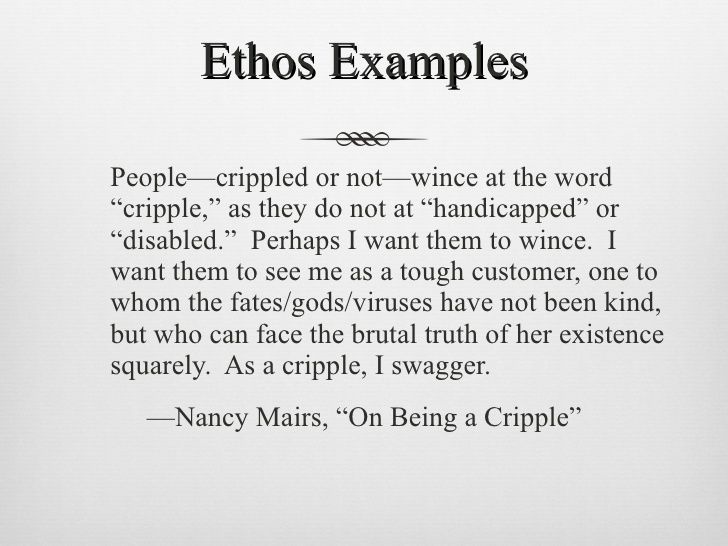
In the simplest sense, ethos is about who you are and why people should listen to you. It covers your character, experience, and the impression you give before you even state your main point.


For example, a doctor explaining a treatment has natural ethos because of their training. You build ethos in daily communication by being honest, citing reliable sources, and showing that you understand the other side of an argument.
Pathos Connects with Emotion and Values
Pathos focuses on the feelings, values, and identities of your audience. It asks what excites, scares, or motivates them, and uses that knowledge to create a personal connection.
A story about a struggling family can create strong pathos, just like vivid language, shared cultural references, or a call to protect loved ones. When used well, pathos helps people care about your message, not just understand it intellectually.


Logos Relies on Logic and Evidence
Logos is the part of persuasion that deals with facts, data, and clear reasoning. It answers the question of why someone should believe a claim by showing supporting evidence.
A statistic about climate change, a step by step explanation of a process, or a structured argument all use logos. Even in casual talk, people often use logos when they say things like, 'The data shows,' or 'Based on the results,' to sound convincing.
Applying These Ideas in Real Situations
Once you see how ethos pathos logos meaning shows up in theory, you can start spotting it in real life. News reports, political speeches, marketing campaigns, and even friend to friend advice all mix these strategies in different proportions.




Recognizing the mix helps you become a smarter consumer of information and a more effective communicator. You can decide when to emphasize credibility, when to tell a story, and when to present hard evidence.
Sub-topic A in Everyday Persuasion
In everyday persuasion, ethos pathos logos meaning becomes visible in small choices, like how someone introduces an idea or what kind of language they use.
For example, starting a suggestion with, 'I have seen this work in my own experience,' builds ethos. Describing a problem in a way that makes you feel anxious or hopeful is pathos. Offering a comparison or a simple chart leans on logos to make the idea easier to accept.
Sub-topic B in Written Communication
In emails, reports, and online content, these three ideas help structure your message so it feels natural and convincing.
You might open with a short background that shows your ethos, describe a challenge that creates pathos, and then close with clear steps or data that support your logos. This flow makes your writing both relatable and trustworthy.
Sub-topic C in Public Speaking
Speakers often move through ethos, pathos, and logos in a deliberate order to keep the audience engaged from start to finish.
First, they establish credibility by sharing relevant experience. Then, they tell a vivid story or pose a question that stirs emotion. Finally, they present evidence, statistics, or logical steps that guide the audience toward a specific conclusion.
Sub-topic D in Marketing and Advertising
Advertisers rely heavily on pathos to create desire, but they also use ethos and logos to make their claims feel solid.
A brand may showcase trusted experts to build ethos, tell an emotional customer journey for pathos, and list features or test results for logos. Understanding this helps you see why some messages feel more persuasive than others.
Why These Concepts Matter Today
In a world full of information and persuasion, knowing how arguments are built gives you more control over your own voice and how you respond to others.
You can choose when to lead with authority, when to tell a story, and when to focus on clear evidence. This flexibility makes your communication more adaptable to different audiences and goals.
Sub-topic C Continued
As conversations move online, these three ideas help you assess whether content is sincere, emotional, or overly logical without real backing.
You learn to ask who is speaking, what feeling they are targeting, and what proof they are offering. This habit protects you from manipulation and improves your own digital presence.
Sub-topic D Continued
Whether you are designing a presentation, writing a proposal, or discussing plans with a colleague, mixing ethos, pathos, and logos usually works better than relying on just one.
You can build trust, create interest, and support your ideas at the same time. The result is a message that feels complete and convincing without sounding pushy or artificial.
When you see persuasion as a blend of credibility, emotion, and logic, it stops being something abstract and becomes a practical skill you can practice every day. The more you notice how these forces work, the more clearly you can express your ideas and respond to the ideas of others. Treating each conversation as a chance to balance ethos pathos logos meaning in a thoughtful way gives you more confidence and makes your communication feel both human and effective. Paying attention to these timeless principles will help you show up with clarity, integrity, and purpose in every discussion you have.
Related Articles
What Is Ethos Pathos And Logos Simple Definition Guide
When people try to persuade us, whether in a courtroom, a sales pitch, or a casual debate, they rely on hidden tools that shape how we think and feel...
Define Ethos Pathos Logos With Examples: Ultimate Persuasion Guide
Understanding how to define ethos pathos and logos with examples is essential for anyone who wants to communicate with clarity, impact, and credibility. These...

Ethos Pathos Logos Meaning In Writing Unlock Persuasive Power
Understanding ethos pathos logos meaning in writing is essential for anyone who wants to communicate with clarity, impact, and authority. These three classical...

Ethos Pathos Logos Examples PDF Download Persuasive Techniques Guide
Understanding ethos pathos logos examples pdf resources is essential for anyone looking to master the art of persuasive communication, as these three classical...
Ethos Pathos Logos Definition Guide Pdf Download_SEO Tips
Understanding the ethos pathos logos definition pdf is essential for anyone looking to master the art of persuasive communication and rhetorical analysis. This...
Master Ethos Pathos Logos Paragraph Writing With This Simple Formula
An ethos pathos logos paragraph forms the backbone of powerful communication, weaving credibility, emotion, and logic into a single, persuasive tapestry...