What Is Ethos Pathos And Logos Simple Definition Guide
When people try to persuade us, whether in a courtroom, a sales pitch, or a casual debate, they rely on hidden tools that shape how we think and feel. Understanding what is ethos pathos and logos simple definition reveals the core architecture of any compelling argument, turning vague opinions into structured communication. These three concepts describe the different ways a speaker can connect with an audience, building trust, stirring emotion, or appealing to reason. Grasping this framework is the first step toward becoming a more discerning listener and a more effective speaker.
Think of these rhetorical tools as the three legs of a sturdy stool; if one is weak or missing, the whole structure struggles to stand. Ethos deals with the credibility and character of the speaker, pathos targets the emotional landscape of the audience, and logos focuses on logical evidence and clear reasoning. Defining them simply helps us strip away the noise and see the mechanics behind effective communication. By exploring each element, we can learn to construct stronger arguments and to analyze the messages we encounter every day with a critical eye.
Ethos: The Credibility of the Speaker
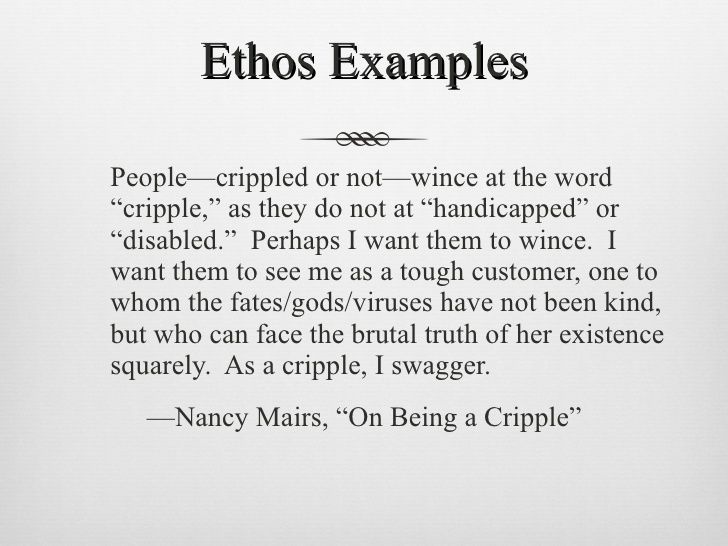
Ethos answers the question of why an audience should trust the person delivering a message. It is the ethical appeal, rooted in the speaker's authority, honesty, and overall reputation. When a speaker demonstrates expertise or a history of integrity, the audience is more likely to accept the message without immediate skepticism. This layer of persuasion operates quietly in the background, shaping initial receptiveness before any evidence is even presented.


In practical terms, ethos is established through appearance, tone, and demonstrated knowledge. A doctor in a white coat discussing health metrics carries inherent credibility that a stranger on the street might not have. Similarly, a leader who admits past mistakes can build a powerful ethos of humility and honesty. The goal is not to impress but to create a foundation of reliability that allows the audience to feel safe believing what is being said.
Demonstrating Expertise
Showing qualifications is the most direct way to build ethos. This can be as simple as listing relevant years of experience or citing advanced degrees that align with the topic at hand. When an audience recognizes that the speaker has done the homework, they are less likely to question the validity of the core argument. Expertise signals that the speaker has moved beyond guesswork and into informed territory.


Another way to demonstrate expertise is by using precise language and avoiding vague generalizations. A well-chosen statistic or a correctly used technical term can convey mastery more effectively than a barrage of adjectives. This attention to detail signals to the audience that the speaker respects the subject matter, which in turn encourages the audience to respect the message itself.
Building Trust and Goodwill
Beyond credentials, ethos is deeply tied to the speaker's demeanor and intent. Maintaining steady eye contact, speaking clearly, and acknowledging counterarguments all contribute to a perception of fairness. When an audience senses that the speaker is trying to inform rather than merely to manipulate, trust begins to form. This goodwill is a powerful asset that makes listeners more open to difficult truths.
Sometimes, ethos is built by aligning with shared values or community identities. A speaker might reference local traditions or common struggles to create a sense of kinship. By showing that they understand the audience's world, the speaker transforms from a distant lecturer into a relatable ally. This connection makes the subsequent message feel less like a lecture and more like a shared journey.


Pathos: The Power of Emotion
If ethos is about the speaker, pathos is about the audience's feelings. This appeal targets joy, fear, anger, sympathy, or pride to create a visceral reaction. While logos might tell the brain what to think, pathos speaks directly to the heart, motivating action through feeling rather than calculation. A message entirely devoid of emotion can feel sterile, failing to inspire the changes in attitude or behavior that persuasion often seeks.
Effective use of pathos requires a deep understanding of the audience's hopes, fears, and cultural touchstones. A charity advertisement showing a single child in need tugs at heartstrings far more effectively than a graph showing global statistics. This emotional resonance creates a memory that sticks, ensuring that the message outlasts the initial moment of contact. The challenge is to harness this power ethically without resorting to cheap manipulation.
Storytelling and Vivid Language
One of the most reliable ways to invoke pathos is through storytelling. Humans are wired to remember narratives far better than abstract data, so wrapping a point in a personal story or anecdote makes it relatable. Descriptive language that appeals to the senses can paint a picture that feels immediate and real. This technique transforms abstract concepts into lived experiences that the audience can feel.




Humor and empathy are also potent emotional tools. A well-placed joke can lower defenses and make a speaker seem approachable, while expressions of genuine empathy can forge strong bonds. When an audience feels seen and understood, they are more likely to mirror the emotions the speaker wants to convey. This alignment of feeling creates a powerful current of shared sentiment that carries the argument forward.
Creating Urgency and Connection
Pathos often works by framing an issue in a way that creates a sense of urgency or moral obligation. Words like "crisis," "hope," or "legacy" can elevate a topic from trivial to vital. By connecting the message to the audience's identity or future, the speaker ties emotion to purpose. This connection motivates people to act, not just to think, ensuring that the argument has real-world impact.
Advertisers frequently use pathos by associating products with desirable emotions like love, success, or security. Political speeches often lean on patriotism or the fear of losing hard-won rights. In these contexts, the goal is to trigger an almost automatic positive response. Understanding this emotional lever helps us recognize when our feelings are being intentionally engaged.
Logos: The Strength of Logic
Logos is the appeal to reason, relying on facts, statistics, and structured evidence to make a case. It is the most straightforward of the three concepts because it values demonstrable truth over subjective feeling or perceived authority. In a world saturated with opinions, logos provides the anchor of objectivity, forcing arguments to meet a standard of proof. A claim backed by solid data can cut through bias and doubt with remarkable efficiency.
However, effective logos is more than just throwing numbers at a problem. It requires clear reasoning, where premises lead logically to conclusions. This means avoiding fallacies, such as false equivalencies or hasty generalizations, that can undermine an otherwise strong case. A logically sound argument feels inevitable, as if the conclusion was the only possible outcome of the evidence.
Using Data and Evidence
The foundation of logos is credible evidence, which can include scientific studies, historical records, or verifiable statistics. Presenting this information in an organized manner allows the audience to follow the trail of reasoning from start to finish. Visual aids like charts or graphs can make complex data more digestible, provided they are accurate and honest. The key is transparency regarding the source and method of the information.
Strong logos also anticipates counterpoints and addresses them directly. By acknowledging potential weaknesses or alternative interpretations, the speaker demonstrates intellectual honesty. This move not only strengthens the current argument but also builds long-term credibility. An audience is more likely to trust a speaker who seems to have checked their own work.
Structuring a Rational Argument
Logic relies on structure, so organizing an argument in a clear format is essential. Deductive reasoning moves from a general principle to a specific conclusion, while inductive reasoning builds a general conclusion from specific observations. Both approaches require careful sequencing of ideas so that the audience can easily trace the path from evidence to claim. A muddled structure often leads to a muddled mind.
In written communication, signposting helps guide the reader through the logical flow. Phrases that indicate cause and effect, comparison, or contrast act as roadmarks through the text. This structural clarity transforms a dense wall of text into an accessible journey. When the logic is transparent, the audience can engage with the ideas rather than struggling with the format.
Balancing the Three Appeals
While the definitions of ethos pathos and logos simple definition are distinct, the most powerful communication usually blends all three. Relying solely on emotion can make an argument feel manipulative, while too much logic can make it feel cold and inaccessible. Credibility without emotional engagement can fail to inspire action. The art lies in finding the right mix for the specific context and audience.
A successful speech might open with ethos to establish trust, weave through pathos to keep the crowd engaged, and close with logos to leave a rational impression. In marketing, a brand might use a trusted expert (ethos), a touching customer story (pathos), and side-by-side product comparisons (logos). Recognizing these combinations allows us to see the intentional craft behind effective messages rather than passive consumption.
Applying the Concepts in Daily Life
Understanding these rhetorical tools transforms how we interact with media and conversation. We can deconstruct a news article, a political debate, or an advertisement by asking how ethos, pathos, and logos are being used. This awareness builds media literacy, helping us distinguish between persuasion and manipulation. It empowers us to construct our own messages with intention and clarity.
In everyday discussions, we can deliberately strengthen our arguments by checking all three boxes. Are we presenting ourselves as knowledgeable and trustworthy (ethos)? Are we connecting with our listener's values and feelings (pathos)? Are we supporting our points with sound evidence (logos)? Asking these questions turns abstract theory into practical skill, improving both our writing and our dialogue.
Ultimately, the simple act of defining what is ethos pathos and logos simple definition opens a door to a more thoughtful way of communicating. It moves us away from guessing why an argument worked and toward understanding exactly how it worked. This shift from passive reception to active analysis is the greatest benefit of learning these timeless principles.
By carrying this framework with you into every conversation, email, or presentation, you equip yourself to connect more authentically and effectively. Whether your goal is to inform, persuade, or inspire, balancing credibility, emotion, and logic will help your message resonate long after the words are spoken. Consider how you can use these insights today to make your next interaction more deliberate and impactful.
Related Articles
Ethos Pathos Logos Meaning Simple Terms Easy Guide
The idea of ethos pathos logos meaning in simple terms is actually about three classic ways to persuade people using reason, emotion, and credibility. These...

What Is Logos in Literature Simple Definition Guide
In literature, a logo is the underlying principle that gives a text its sense of purpose and direction, guiding every decision an author makes from the first...
Ethos Pathos Logos Definition Guide Pdf Download_SEO Tips
Understanding the ethos pathos logos definition pdf is essential for anyone looking to master the art of persuasive communication and rhetorical analysis. This...
What Is Ethos Pathos Logos Definition: Master Persuasion Secrets
Understanding what is ethos pathos and logos definition is essential for anyone who wants to communicate with clarity, influence, and precision in both writing...
Ethos Pathos Logos Definition In Literature Explained Master The Art Of Persuasion
Understanding ethos pathos logos definition in literature reveals the timeless architecture of persuasive communication, where writers and speakers...
Define Ethos Pathos Logos With Examples: Ultimate Persuasion Guide
Understanding how to define ethos pathos and logos with examples is essential for anyone who wants to communicate with clarity, impact, and credibility. These...