Ethos Pathos Logos Meaning In Writing Unlock Persuasive Power
Understanding ethos pathos logos meaning in writing is essential for anyone who wants to communicate with clarity, impact, and authority. These three classical appeals provide a roadmap for structuring any message so that it resonates logically, emotionally, and ethically with the intended audience.
In practical terms, ethos refers to the credibility and trustworthiness of the speaker or writer, pathos taps into the emotions and lived experiences of the reader, and logos appeals to reason through evidence, structure, and clear argumentation. Mastering this triad allows you to move beyond mere information delivery and into the realm of persuasive storytelling that feels both intelligent and human.
The Role of Ethos in Building Trust
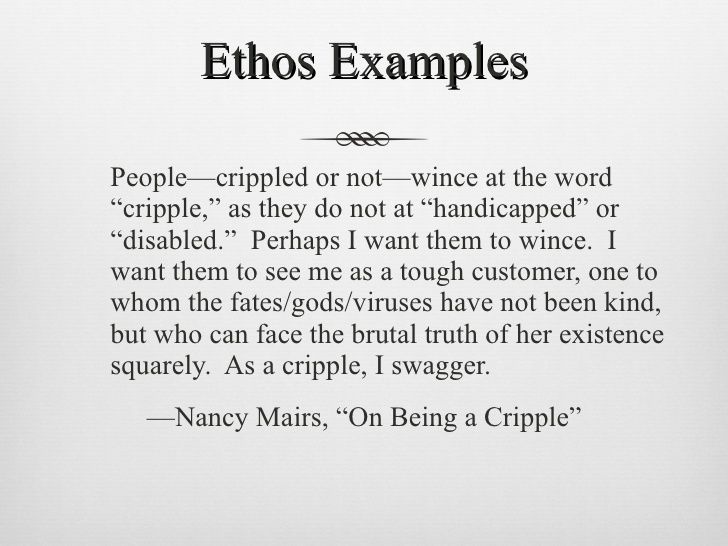
Ethos centers on how reliable, competent, and sincere the writer appears to be, which directly affects whether the audience will accept the message as valid. Establishing strong ethos often begins with transparent credentials, honest acknowledgment of limitations, and a consistent tone that matches the expectations of the community you are addressing.


When readers sense that you are fair, well-informed, and genuinely interested in serving their needs, they are far more likely to engage deeply with challenging ideas. This sense of trust is not built through grand claims but through small, steady signals of integrity, such as accurate citations, balanced reasoning, and respectful treatment of opposing views.
Demonstrating Expertise and Authority
Demonstrating expertise can be as simple as sharing relevant background, naming recognized sources, or explaining your process in a way that shows you understand the nuances of the topic. By grounding your arguments in well-documented facts and industry standards, you signal to readers that you have done the homework required to speak with authority.


At the same time, true authority is not about sounding infallible but about showing how your experience shapes a thoughtful perspective. When you explain where you are coming from and how that informs your conclusions, you invite readers into a collaboration rather than imposing your view from on high.
Establishing Moral Alignment and Fairness
Ethos also depends on how closely your values seem to align with those of your audience, especially when important ethical or social issues are involved. Readers respond positively when they sense that you share their concern for accuracy, inclusivity, and respect, even if you disagree on specific details.
Fairness in representation, willingness to address counterarguments, and transparent handling of potential biases all reinforce the impression that you are a partner in the conversation rather than a manipulative force pushing a hidden agenda.


How Pathos Connects With Readers Emotionally
While logos may convince the mind, pathos is what often persuades the heart, turning abstract arguments into meaningful personal stakes. Effective writers use vivid language, relatable scenarios, and carefully chosen imagery to evoke empathy, concern, hope, or urgency, depending on the goals of the piece.
Done with care, emotional appeal does not manipulate; instead, it acknowledges the human realities behind every decision or policy. By inviting readers to see how a topic affects real people, including themselves, you transform a theoretical discussion into a shared human experience that demands attention.
Tapping Into Shared Values and Identity
Pathos works most powerfully when it resonates with the values, memories, and aspirations that already live in the audience’s worldview. Whether you are writing about climate change, public health, or workplace culture, linking your message to deeply held ideas like safety, justice, or belonging can amplify its emotional resonance.




Skilled writers also recognize that emotions are diverse, so they craft narratives that honor a range of responses, from caution and grief to determination and pride. This emotional breadth prevents the message from feeling one-dimensional and allows different readers to find a point of connection.
Using Concrete Stories and Sensory Details
Abstract claims rarely move people in the way a well-told story does, which is why anecdotes, case studies, and personal vignettes are such effective tools for activating pathos. By presenting specific moments with sensory details, you help readers visualize the stakes and feel the texture of the situation.
A single carefully chosen example can do more to build compassion and understanding than pages of statistics, because it transforms distant data into a recognizable human journey. When those stories are paired with clear, honest context, they become a bridge between private feelings and public issues.
The Power of Logos in Structuring Reason
Logos is the backbone of clear, persuasive writing, relying on logic, evidence, and coherent organization to guide the reader from premise to conclusion. A strong logos strategy includes explicit claims, well-supported reasons, and careful attention to the flow of ideas so that the argument unfolds naturally.
Whether you are drafting a policy proposal, an academic paper, or a marketing brief, a solid logos foundation ensures that your message can withstand scrutiny. Readers may eventually be moved by ethos and pathos, but they will usually ask, at some point, whether the reasoning itself holds up.
Organizing Evidence for Maximum Clarity
Logical structure often starts with how you sequence your points, moving from familiar context to more complex insights, and from broad claims to specific proof. Using tools like outlines, topic sentences, and signposting language helps readers follow your line of thought without getting lost.
Within that structure, each piece of evidence should be clearly linked to your central thesis, with explanations that show why it matters. When you connect data, examples, and expert testimony to your main argument, you demonstrate that every sentence is working toward a coherent purpose rather than simply displaying information.
Applying Sound Reasoning and Avoiding Fallacies
Strong logos depends not only on what evidence you include but also on how you use it, avoiding distortions, false dilemmas, or cherry-picked statistics that undermine your credibility. Recognizing common logical fallacies and actively steering clear of them protects the integrity of your argument and earns respect from critical readers.
By anticipating questions, addressing counterpoints, and refining your claims through revision, you create a line of reasoning that feels both rigorous and accessible. This balance between depth and clarity is what allows logos to function as the structural core of a compelling piece of writing.
Weaving Ethos, Pathos, and Logos Into a Cohesive Voice
In practice, the most impactful writing does not rigidly separate ethos, pathos, and logos but weaves them together so that each appeal reinforces the others. A credible voice, emotional resonance, and logical precision can coexist, making your work feel both authoritative and deeply human.
Writers who master this balance know when to lead with data, when to highlight shared values, and when to reveal more of their own perspective. This adaptability ensures that the message remains flexible enough to meet the demands of different contexts while staying true to its core purpose.
Adjusting the Mix for Audience and Context
Understanding your audience is critical, because a scientific community may respond best to a logos-heavy approach, while a community advocacy group might connect more with a pathos-driven narrative framed by strong ethos. Successful writers tune their emphasis depending on who they are addressing and what the situation requires.
Context matters just as much, whether you are writing a brief social media post, a detailed policy report, or a personal essay. By consciously adjusting the weight you give to credibility, emotion, and reasoning, you ensure that each piece of writing feels tailored, alive, and purposeful.
Using Feedback to Refine Your Appeals
Another key part of integrating these three elements is listening to how readers respond, noticing which parts of your argument inspire trust, which spark emotion, and which leave questions unanswered. Constructive feedback helps you see whether your ethos feels solid, your pathos lands as intended, and your logos holds up under scrutiny.
Treating writing as an ongoing process of refinement, rather than a one-time task, allows you to gradually sharpen your voice. Over time, this practice deepens your ability to move audiences while staying authentic to your goals and values.
Exploring ethos pathos logos meaning in writing is really about learning how to align credibility, emotional connection, and clear reasoning so that your work feels both convincing and humane. When these three forces work together, even the most complex ideas can be presented in a way that respects the intelligence and experience of your readers. By continuing to experiment with this framework, observing how your messages land, and refining your approach with each new project, you build a sustainable style that grows more powerful over time.
Related Articles
Master Ethos Pathos Logos Translation Unlock Persuasive Power
Translating ethos pathos logos effectively requires more than linguistic skill; it demands a deep sensitivity to how ethical credibility, emotional resonance...
Ethos Pathos Logos Definition: Master the Art of Persuasive Writing
Understanding ethos pathos logos definition in writing is essential for anyone who wants to communicate with clarity, confidence, and impact. These three...
Master Ethos Pathos Logos In English Class Unlock Persuasive Secrets
Understanding the ethos pathos logos English class provides students with a powerful framework for analyzing communication and strengthening their own writing...
Ethos Pathos Logos Names: Unlock the Secrets of Persuasive Branding
Understanding the distinct roles of ethos pathos logos names helps communicators craft messages that feel both credible and compelling. These three classical...
Ethos Pathos Logos English Translation Mastery Unlock Persuasive Secrets
Understanding the ethos pathos logos English translation is essential for anyone looking to analyze and improve their communication skills, whether in writing...
Ethos Pathos Logos Meaning In English: Unlock Persuasion
Understanding ethos pathos logos meaning in english is essential for anyone who wants to communicate with clarity, confidence, and impact. These three ancient...