The Best Paint for Outdoor Plant Pots: Durable & Weatherproof Solutions
Choosing the right coating for your outdoor plant pots is essential for keeping your gardening effort vibrant and long lasting. When containers sit outside, they face constant rain, intense sun, temperature swings, and occasional physical bumps, all of which can wear down cheap finishes. Investing time in understanding what is the best paint for outdoor plant pots saves you from frequent repainting and helps your favorite herbs, flowers, and vegetables look polished season after season.
Many beginners make the mistake of using indoor paint on exterior planters, only to see chipping, fading, or peeling within weeks or months. The best paint for outdoor plant pots is formulated to stay flexible, resist moisture, and adhere to materials like terracotta, ceramic, concrete, wood, or metal. By focusing on durability, weather resistance, and non toxicity, you can protect both your plants and the surface of the pots while keeping colors bright.
Understanding the Challenges of Outdoor Conditions
Outdoor environments are far harsher than indoor spaces, especially for plant containers that sit directly on porches, patios, or garden beds. Constant exposure to water, wind, and UV rays can cause ordinary paint to blister, crack, or wash away. The best paint for outdoor plant pots is designed to handle this stress without sacrificing style or safety.


Temperature fluctuations add another layer of difficulty, because surfaces expand and contract throughout the day and across the seasons. Rigid coatings can break under this movement, while flexible, high quality exterior paints bend with the material. This resilience keeps the finish intact, prevents moisture from seeping in, and protects the underlying pot from freeze damage or heat cracks.
UV Resistance and Color Fading
Sunlight contains powerful ultraviolet rays that break down pigments over time, leading to faded colors and a chalky appearance. Paints formulated for outdoor use incorporate special UV resistant additives that help colors stay true for years. If you want your containers to remain vivid among green foliage and blooming plants, choosing a finish with strong UV protection is a top priority.


Beyond protection, the right pigment choices make it easier to coordinate your pots with your outdoor decor. Light colors reflect heat, which can benefit sensitive roots during hot weather, while darker shades absorb warmth and may help extend the growing season in cooler climates. Selecting a quality exterior paint in your preferred palette ensures both beauty and function.
Moisture and Freezing Resistance
Because plant pots hold damp soil and are often rinsed or watered from above, the coating must shrug off constant moisture without absorbing it. High quality exterior paints form a tight seal that prevents water from penetrating the surface of the pot. This reduces the risk of mold, moss, and interior damage that can weaken terracotta or concrete over time.
In colder regions, trapped moisture can freeze and expand, causing surfaces to crack or flake. The best paint for outdoor plant pots remains flexible and adheres strongly even in freezing conditions. Look for products labeled suitable for exterior use in cold climates, and consider multiple thin coats for extra insurance against winter wear.


Paint Types and Suitable Materials
Different base materials call for specific formulations to ensure long lasting adhesion and performance. Some paints bond best to porous surfaces like unglazed terracotta, while others are engineered for slick plastics or metals. Matching the paint type to your pot material is a critical step in achieving a finish that lasts through sun, rain, and seasonal changes.
Non toxic safety is another important factor, especially when the containers will hold vegetables, herbs, or flowers that interact with the soil and roots. Food safe, low VOC formulations give you confidence that no unwanted chemicals will leach into plant health or the surrounding environment. Balancing durability with eco conscious ingredients makes the selection process much simpler.
Terracotta and Unglazed Ceramic
Porous clay pots absorb water, which helps cool roots but can lead to stains, salt deposits, and eventual weakening of the structure. A good exterior coating for terracotta seals the surface while still allowing some breathability, so the pot does not trap excess moisture inside. This balance helps prevent sudden cracking due to rapid drying or freezing.


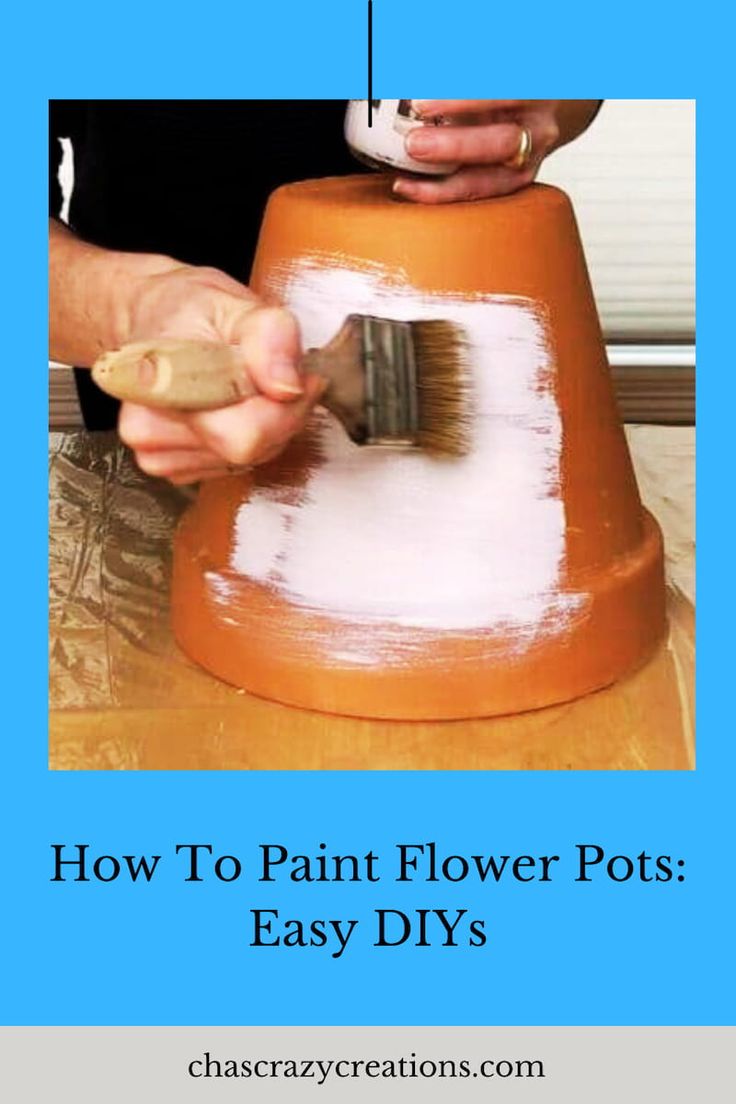

Priming is highly recommended before painting terracotta, because its natural texture can grab paint unevenly. Use a primer designed for masonry or porous surfaces, then follow with a flexible exterior paint applied in smooth, even layers. When done well, the painted terracotta looks like it was born with that rich, finished color instead of a fragile, easily scratched surface.
Metal, Plastic, and Concrete Planters
Metal containers, especially those made of steel or galvanized iron, require a rust inhibiting primer and a tough enamel or specialized metal paint. These coatings create a barrier against oxidation and moisture, keeping the pot from corroding even if the surface gets scratched. For plastic pots, a bonding primer helps paint adhere firmly, because standard paints can slide off smooth, non porous plastic too easily.
Concrete and cement planters benefit from an exterior grade paint with flexible acrylic properties, since these materials expand and contract with humidity. A breathable yet waterproof topcoat protects against freeze thaw cycles while still allowing minor moisture exchange. This combination of durability and slight breathability is why many experts consider certain acrylic paints the best paint for outdoor plant pots made from concrete or cement.
Application Techniques and Long Term Care
Even the most advanced paint will fail if the surface is not properly prepared. Start by cleaning the pot to remove dirt, algae, and old flaking paint, then lightly sand any glossy areas so the new coating can grip. Repair cracks or chips in the structure first, because smoothing the surface before painting leads to a more professional, long lasting result.
Applying thin, consistent coats is more effective than trying to cover everything in one thick layer. Allow each pass to dry fully according to the manufacturer's instructions, and check for missed spots or rough edges between coats. For extra protection, finish with a clear, water based sealant designed for outdoor use to shield the color from dirt and UV exposure.
Refreshing and Touching Up
Over time, your painted pots may need minor touch ups as seasonal cleaning and weathering take their toll. Keep a small amount of the original paint on hand, and gently spot treat any chips or exposed spots before they spread. Addressing these areas early prevents larger patches of bare surface, which are more vulnerable to moisture intrusion.
If you decide to change your color scheme or upgrade the finish, sanding and re priming will help the new coat bond securely. Avoid peeling away large sections of paint aggressively, as this can damage the underlying pot. Thoughtful refresh routines make it possible to evolve your outdoor display without having to replace planters every few years.
Choosing Eco Friendly and Sustainable Options
Many gardeners prefer low VOC, water based formulas because they emit fewer harsh chemicals while still delivering tough, weather resistant performance. These modern formulations have improved significantly and now offer the same durability as traditional solvents based alternatives. Selecting environmentally responsible paint supports healthier soil and safer outdoor spaces for people, pets, and pollinators.
Reusing and recycling planters also aligns with sustainable practices, and a fresh coat of the best paint for outdoor plant pots can transform an old container into a centerpiece. Before disposing of chipped or faded pots, consider whether a thoughtful refinish might restore them to their former glory. This habit reduces waste, saves money, and encourages creative expression in your garden design.
By combining smart product choices with careful surface preparation and ongoing maintenance, your painted containers will stay vibrant and structurally sound through many growing seasons. The color, texture, and overall look you want is achievable with a little research and attention to detail. Taking the time to understand what works best for your specific planters and climate pays off in lasting curb appeal and healthier plants.
As you plan your next gardening project, think of a beautifully finished planter as a long term partnership between your creative vision and the changing outdoor environment. Small efforts now in selecting the right paint, prepping surfaces properly, and scheduling simple touch ups will keep your display looking intentional and lively. With this approach, your outdoor space can continue to reflect your style and support thriving plants year after year.
Related Articles

Best Paint for Tyres Garden Outdoor Durable Weatherproof Sealant Tips
Choosing the right paint for tyres in a garden setting opens up a world of creative possibilities for transforming old rubber into vibrant garden decor. This...

Best Paint for Garden Bench: Durable & Weatherproof Solutions
Choosing the best paint for a garden bench involves more than just picking a color that matches your patio; it is about protecting wood from relentless rain...

The Ultimate Guide What Paint to Use for Outdoor Mural Durable Weatherproof Artwork
Choosing the right paint for an outdoor mural is the foundational decision that determines whether your vibrant artwork endures the seasons or fades into a...

Best Paint for Gnomes: Durable Weatherproof Options
Choosing the right paint for your garden gnome is the difference between a charming woodland sprite and a cracked, faded mess exposed to the elements. Many...

The Best Porch and Deck Paint 2024: Durable Weatherproof Sealers
Choosing the right coating for your outdoor surfaces is the difference between a beautiful, lasting finish and a yearly repair project. The best porch and deck...

Best Paint for Deck Railing 2024 Durable Weatherproof Sealers
Selecting the right paint for your deck railing is the foundational step toward a long lasting and attractive outdoor finish. Your railing faces constant...