Best Paint for Deck Railing 2024 Durable Weatherproof Sealers
Selecting the right paint for your deck railing is the foundational step toward a long lasting and attractive outdoor finish. Your railing faces constant exposure to sun, rain, and daily wear, so the product you choose must match that reality. This guide walks you through the key factors, from wood species to sheen level, ensuring your surface protection looks great year after year.
Before you buy a single can, it helps to understand how modern deck finishes work. They are designed to shield porous materials from moisture, ultraviolet light, and foot traffic while allowing the substrate to breathe. A well matched system reduces peeling, fading, and splintering, which saves you time and money on future repairs.
Water Based Versus Oil Based Formulas
The first major decision in what paint to use on deck railing involves water based and oil based chemistries. Water based products dry quickly, emit fewer odors, and clean up easily with soap and water. They also tend to remain more flexible, which helps them handle the small movements of wood without cracking.


Oil based finishes, by contrast, offer a harder, more moisture resistant film that can be ideal for surfaces subject to heavy weather. They often provide superior adhesion on older, smoother railings and deliver a warm, traditional look. However, they take longer to cure, require mineral spirits for cleanup, and may yellow over time, so balancing these traits against your priorities is essential.
Acrylic Deck Stains For Cleared Or Semi Transparent Looks
Acrylic deck stains are a popular choice when you want to enhance the natural grain of your railing while still providing robust UV protection. These products sit near the surface rather than penetrating deeply, which makes them easy to refresh with a light cleaning and recoat. You can find them in a wide palette of colors, from cedar tones to bold hues, giving you design flexibility.


Because acrylic formulas cure into a breathable membrane, they reduce the risk of blistering that can occur on hot, sealed surfaces. They are particularly well suited to railings that get direct sun, since they resist fading better than many traditional oil based alternatives. Just be sure the specific product is labeled for vertical surfaces, as some stains are better optimized for horizontal decks.
Solid Color Deck Paints For Maximum Protection
When your goal is to completely hide the wood texture, a solid color deck paint is the logical option. These formulations contain higher pigment loads that mask imperfections and provide a uniform finish. For railings, the thicker film acts as a robust shield against scratches, graffiti, and general abrasion from hands and cleaning tools.
Because a solid coat is less porous than a stain, it is crucial that the paint includes flexible resins to accommodate wood movement. Look for products formulated specifically for decks, as outdoor floor and trim paints may not offer the same level of elasticity. Pairing a flexible solid paint with proper surface preparation will minimize peeling and ensure a consistent look across every post and spindle.



Matching Products To The Railing Material
The substrate beneath your paint plays a major role in determining which product will perform best. Wood is the most common railing material, and most water based or oil based deck paints are engineered to bond tightly to the cellulose fibers. They resist shrinking and swelling as the wood absorbs and releases moisture, which is critical for long term durability.
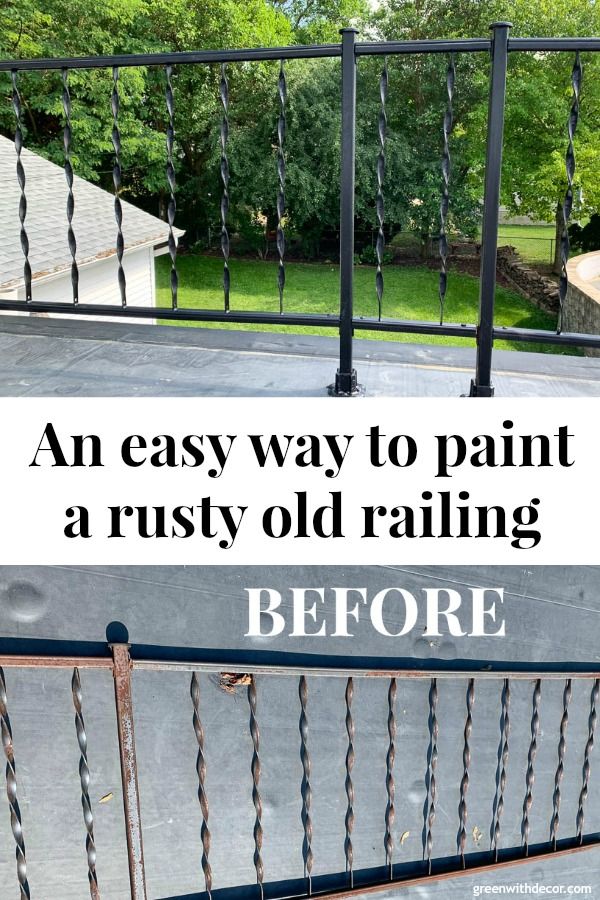
Metal railings, such as those made of aluminum or steel, require a different strategy. These surfaces need a formulated metal primer and a paint that can expand and contract with temperature changes. Some products are labeled for mixed materials, making them a smart option if your deck combines wood and metal components in a single run.
Pressure Treated And New Wood Considerations
Pressure treated lumber often contains chemicals that can interfere with adhesion, so using the right primer is non negotiable. A bonding primer designed for treated wood promotes even coverage and prevents patchy areas where moisture can intrude. Skipping this step can lead to early peeling regardless of how premium your topcoat is.


On brand new cedar or ipe railings, you may choose to wait a few weeks for the wood to weather and stabilize before applying color. During this time, a transparent or lightly tinted oil based product can shield the surface from graying while you evaluate your preferred look. The goal is to match the product to the condition of the wood, not just the color swatch on the can.
Low VOC And Eco Friendly Options
If you are concerned about environmental impact and indoor air quality, many manufacturers now offer low VOC deck paints and stains. These formulations reduce the emission of volatile organic compounds without sacrificing performance. They are a good fit for homeowners who want strong protection and a more natural installation experience.
Keep in mind that low VOC does not automatically mean low maintenance. You still need to follow the recommended recoat windows and verify that the film is fully cured before exposing it to heavy use. Reading reviews and product data sheets helps you verify that the eco friendly option you select still stands up to railing level wear and weather.
Surface Prep And Application Best Practices
No matter which paint you ultimately choose, proper surface preparation is what locks everything in place. Start by cleaning the railing with a deck cleaner or oxygen bleach solution, removing dirt, mildew, and old flaking material. Rinsing thoroughly and allowing the wood to dry completely prevents entrapped moisture from compromising the new finish.
Lightly sanding glossy or weathered areas promotes mechanical bonding, especially when switching between stain and paint. Use a medium grit to smooth uneven spots, then wipe away dust before priming. Taking these steps with your railings pays off in a smoother finish and fewer touch ups down the road.
Primer Selection And Compatibility
A high quality primer tailored to your chosen topcoat dramatically improves adhesion and coverage. For water based systems, a breathable acrylic primer works well on most wood surfaces, while oil based systems may call for an oil modified or alkyd primer. Always verify that the primer and paint are compatible to avoid issues like wrinkling or poor gloss retention.
When you are transitioning from an older oil based finish to a new water based product, you may need a specialty bonding primer. This layer helps bridge different chemistries and reduces the risk of peeling at the edges. Confirm compatibility by checking manufacturer recommendations before you commit to a full roll out.
Tools And Techniques For A Uniform Finish
Using the correct tools makes a noticeable difference in how your railing looks once the paint cures. A high density foam roller works well for large flat sections, while an angled sash brush handles posts, spindles, and tight corners. Maintaining a wet edge and applying light, even coats prevents visible lap marks and streaks.
Thin, consistent applications are better than thick, heavy ones, which can sag or trap dirt. Depending on the product, you may apply one primer coat and two topcoats for optimal protection. Checking the temperature and humidity guidelines on the label ensures ideal curing and long term performance.
Choosing the correct paint for your deck railing comes down to matching chemistry, substrate, and environmental exposure. By aligning water based or oil based formulations with the specific needs of your railing material, you create a finish that looks sharp and holds up under daily use. Thoughtful prep, compatible primers, and careful application all work together to deliver a result you can enjoy season after season. As you plan your next project, take time to read labels, test small areas, and adjust your technique so your railings remain as beautiful and resilient as the day they are finished.
Related Articles

The Best Porch and Deck Paint 2024: Durable Weatherproof Sealers
Choosing the right coating for your outdoor surfaces is the difference between a beautiful, lasting finish and a yearly repair project. The best porch and deck...

Best Concrete Porch Paint 2024 Durable Weatherproof Sealers
Choosing the best concrete porch paint is the single most important decision you make when refreshing an outdoor living space, because it stands between your...

Best Paint for Gnomes: Durable Weatherproof Options
Choosing the right paint for your garden gnome is the difference between a charming woodland sprite and a cracked, faded mess exposed to the elements. Many...

Best Paint for Tyres Garden Outdoor Durable Weatherproof Sealant Tips
Choosing the right paint for tyres in a garden setting opens up a world of creative possibilities for transforming old rubber into vibrant garden decor. This...

Best Paint for Garden Bench: Durable & Weatherproof Solutions
Choosing the best paint for a garden bench involves more than just picking a color that matches your patio; it is about protecting wood from relentless rain...
Best Paint for Tyres Garden Outside Durable Weatherproof Tips
Choosing the right paint for tyres on garden outdoor setups is a smart way to add personality and durability to your space. Tyres are a popular material for...