Delicious Tuscan Roasted Carrots Recipe Healthy And Flavorful
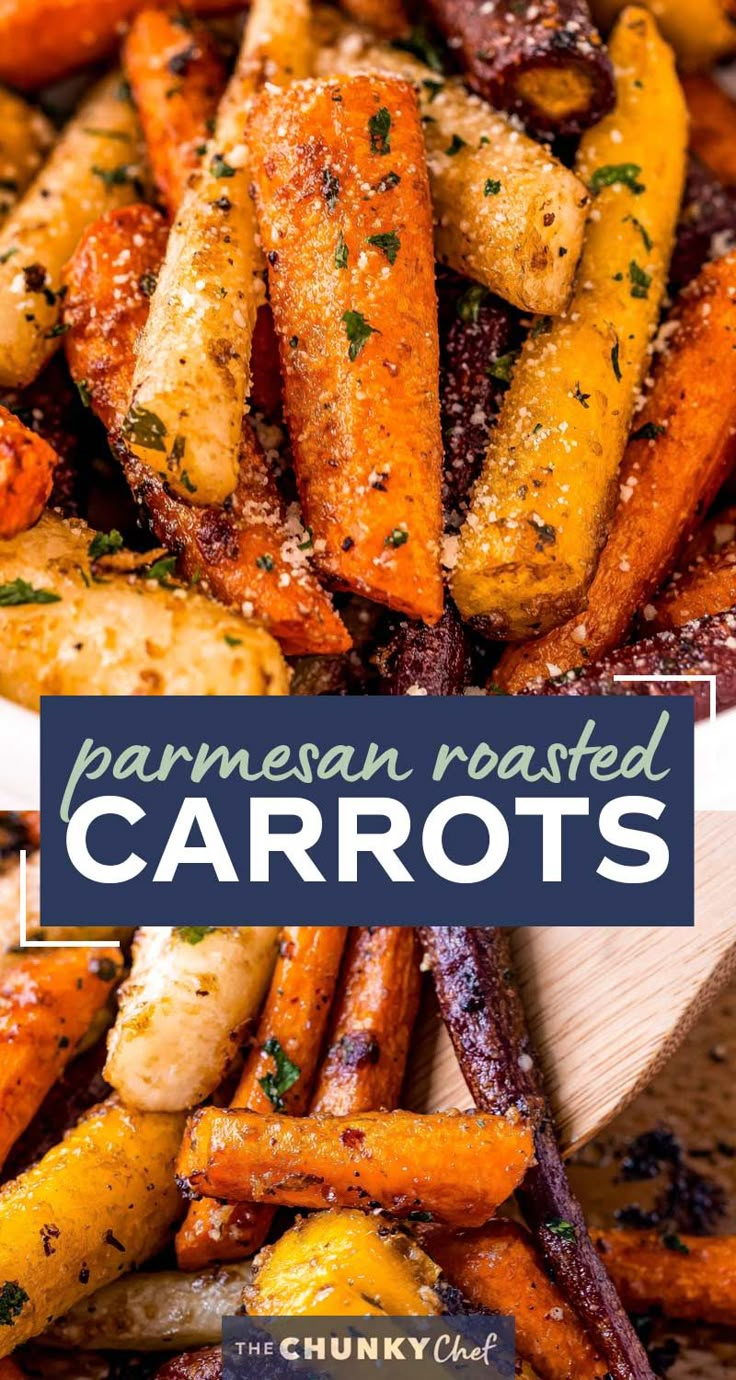
Tuscan roasted carrots bring the warmth and rustic charm of Italy straight to your dinner table, transforming a simple root vegetable into a vibrant side dish that feels both comforting and elegant. This method relies on just a few high quality ingredients, like extra virgin olive oil, fresh herbs, and a generous pinch of sea salt, to coax out the natural sweetness of the carrots while giving them a satisfying, caramelized edge. The gentle heat of the oven slowly softens their texture, turning the surface slightly crisp and deepening their flavor in a way that is entirely approachable and deeply satisfying. Whether you are a seasoned home cook or just starting to explore vegetables as the star of the meal, this dish offers a reliable way to add color, nutrition, and a touch of Tuscan inspired flair to any weekday or weekend feast.
At its core, Tuscan roasted carrots celebrate simplicity, rooted in the Italian tradition of letting seasonal produce shine with minimal intervention. The dish highlights how a thoughtful balance of oil, salt, and aromatic herbs can elevate a humble ingredient into something memorable and restaurant worthy. Carrots bring natural sweetness, fiber, and a bright orange hue that looks as good as it tastes on any plate. By focusing on quality components and a careful hand with seasoning, you create a versatile base that pairs beautifully with roasted meats, grains, or a simple side salad, making it a practical addition to a wide range of meal plans.
Why Tuscan Style Works So Well for Roasted Carrots
The Tuscan approach to cooking centers on bold yet rustic flavors that highlight local, seasonal ingredients, and roasted carrots are a perfect expression of that philosophy. Olive oil, garlic, rosemary, and thyme form the backbone of the seasoning, creating an aromatic profile that feels both hearty and fragrant. By roasting carrots at a steady temperature, you encourage gentle browning and a tender interior, allowing the natural sugars to develop without turning the vegetable greasy or heavy. This method respects the integrity of the carrot while adding layers of flavor that feel distinctly Mediterranean and deeply comforting.


Another reason Tuscan style works so well is its adaptability to different occasions and dietary preferences. The dish is naturally plant based, making it easy to include in vegetarian or vegan menus without sacrificing richness or satisfaction. You can adjust the intensity of the garlic, swap in fresh sage or oregano, or finish with a squeeze of lemon for brightness, tailoring the final dish to your personal taste or the flavors of the season. This flexibility encourages you to treat roasted carrots as a staple side rather than a one time recipe, integrating them into your regular cooking with ease.
The Role of Olive Oil in Flavor Development
High quality extra virgin olive oil is more than just a cooking fat in Tuscan cuisine; it is a fundamental element that carries flavor and helps create a satisfying texture. When you toss carrots in generous amounts of oil before roasting, the surface becomes lightly caramelized, adding depth and a subtle richness that plain boiling or steaming cannot achieve. The oil also helps herbs and spices cling to the vegetable, ensuring that every bite delivers a balanced mix of savory and aromatic notes. Choosing a fruity, robust olive oil can further enhance the rustic character of the dish, giving it a distinctly Mediterranean backbone.


From a practical standpoint, the oil protects the carrots during roasting, preventing them from drying out while encouraging even browning. You will notice that the edges develop a slightly crisp texture that contrasts beautifully with the soft, almost creamy center. This combination of textures makes the dish satisfying on the palate and visually appealing, with glistening spears that feel both rustic and refined. Using enough oil also makes the carrots more filling, helping them stand in for a starchier side and keeping you satisfied longer.
Building Aromatic Depth with Garlic and Herbs
Garlic and fresh herbs are the soul of Tuscan roasted carrots, infusing the simple vegetable with layers of complexity that feel both familiar and vibrant. Thinly sliced or minced garlic cloves scattered over the carrots release a gentle warmth as they roast, while herbs like rosemary, thyme, and flat leaf parsley add earthy, slightly peppery notes. The key is to use these aromatics thoughtfully, allowing their flavors to meld without overwhelming the natural sweetness of the carrots. When done well, the dish tastes balanced, fragrant, and entirely comforting.
Toasting the garlic lightly with the carrots before they go into the oven can mellow its sharpness and deepen its flavor, turning it almost sweet and buttery. Fresh herbs contribute color and a bright, clean aroma, especially when you add tender leaves like parsley toward the end of roasting or just before serving. You can experiment with different combinations, keeping in mind that a little goes a long way, especially with potent herbs and garlic. The goal is to enhance the carrots, not mask them, letting their inherent flavor remain at the center of the plate.


Techniques for Perfectly Roasted Carrots
Mastering the technique behind Tuscan roasted carrots is largely about controlling temperature, timing, and the initial preparation of the vegetables. Starting with fresh, firm carrots ensures a pleasant bite and allows the natural sugars to develop during roasting. Peeling is optional, depending on your preference, but leaving the skins on can add color, texture, and extra nutrients. Cutting the carrots into even sized pieces or leaving them whole if they are small promotes uniform cooking so that no piece is underdone or overly dried out.
Preheating the oven and using a hot, steady temperature helps create the surface caramelization that gives roasted carrots their signature flavor and appearance. Spreading the carrots in a single layer on a baking sheet prevents steaming and encourages browning, while occasional basting with more olive oil keeps them moist and flavorful. You can finish the dish with a sprinkle of flaky sea salt, a squeeze of fresh citrus, or a drizzle of aged balsamic vinegar right before serving, adding a final layer of sophistication that feels both simple and refined.
Preparing the Carrots for Roasting
Preparing carrots for roasting begins with a careful rinse and a decision about peeling. If you prefer a more rustic appearance or want to retain additional fiber, leaving the skin on is a great option, especially for younger, tender carrots. For a smoother texture and a more uniform look, a quick peel with a vegetable peeler works well, exposing the bright orange interior that becomes visually appealing once roasted. Trimming the ends and cutting the carrots into consistent sizes ensures that they cook at the same rate, avoiding the frustration of some pieces being crunchy while others turn mushy.


Once prepped, the carrots are ready to be tossed with oil, seasonings, and aromatics in a large bowl, making sure every piece is lightly coated. This step is crucial because it prevents the carrots from sticking to the pan and promotes even browning. Taking a moment to massage the oil and seasonings into the carrots with your hands helps the flavors penetrate and encourages the development of a satisfying crust. Proper preparation sets the stage for a consistently flavorful dish that looks as good as it tastes.
Timing and Temperature Tips
Getting the timing and temperature right is essential for achieving carrots that are tender yet firm, with a lightly caramelized exterior. Roasting at a moderately high temperature, usually around four hundred degrees Fahrenheit, allows the natural sugars to slowly caramelize without burning the garlic or herbs. Depending on the size of your carrot pieces, this process typically takes twenty five to forty minutes, with a gentle toss halfway through to promote even cooking. Keeping a close eye toward the end of the roasting time helps you catch the moment when the edges turn golden and slightly crisp.
For a more concentrated flavor, you can finish the carrots under a low broiler for a few minutes, watching carefully to avoid over browning. This technique adds a deeper color and a pleasant textural contrast, especially if you enjoy a slightly charred, Tuscan inspired crust. Pairing the carrots with a simple arugula salad or a bowl of creamy polenta can round out the meal, while a splash of fresh lemon juice or a drizzle of balsamic glaze right before serving brightens the entire plate.
As you continue to explore vegetables as the centerpiece of your meals, Tuscan roasted carrots offer a reliable, flavorful, and visually striking option that can evolve with your tastes and culinary confidence.
Related Articles

Delicious Tuscan Style Roasted Carrots Recipe Flavorful And Healthy
Tuscan style roasted carrots bring the warmth of the Italian countryside straight to your dinner table with caramelized edges, fragrant herbs, and a deeply...

Delicious Tuscan Blend Veggies Recipe Healthy Cooking
Tuscan blend veggies bring the rustic charm of Italy straight to your kitchen, combining garden fresh vegetables with aromatic herbs and olive oil. This...

Delicious Tuscan Chicken with Veggies Recipe Healthy Meals
Tuscan chicken with veggies is the kind of weeknight dinner that feels indulgent without being fussy, letting tender chicken mingle with roasted vegetables in...
Delicious Tuscan Carrots Recipe Easy Step By Step
Tuscan carrots recipe brings the warmth of Italian kitchens to your dinner table with sweet, glazed vegetables and aromatic herbs. This dish captures the...
Delicious Tuscan Style Roasted Vegetables Recipe
Tuscan style roasted vegetables capture the rustic charm and sun kissed flavors of central Italy, turning humble produce into a vibrant centerpiece for any...

Savory Tuscan Carrots Recipe Roasted Garlic Herbs
Tuscan carrots represent a delightful variation of the classic root vegetable that brings a burst of color and sweetness to the Italian table, drawing...