Delicious Tuscan Carrots Recipe Easy Step By Step
Tuscan carrots recipe brings the warmth of Italian kitchens to your dinner table with sweet, glazed vegetables and aromatic herbs. This dish captures the rustic charm of Tuscany by turning humble carrots into a luxurious side that feels both comforting and elegant. Slow cooked with olive oil, garlic, and fresh herbs, the carrots develop a deep, caramelized flavor that lingers on the palate. Whether you serve them alongside a simple roast chicken or a hearty steak, this recipe adds a vibrant pop of color and a touch of Mediterranean sunshine to every bite.
Beyond taste, a thoughtfully prepared Tuscan carrots recipe offers practical benefits for everyday cooking. The technique encourages you to use whole carrots or batons, preserving nutrients and texture while minimizing waste. You can easily adjust the sweetness with a splash of balsamic or a pinch of honey, and the forgiving nature of the dish makes it ideal for both weeknight meals and relaxed weekend gatherings. With minimal equipment and straightforward steps, this recipe becomes a reliable staple that you can return to season after season.
Building the Tuscan Flavor Base
The foundation of an exceptional Tuscan carrots recipe lies in building a layered, aromatic base before the carrots ever hit the pan. You begin by gently heating olive oil with finely chopped onions and celery, allowing their natural sugars to soften and release fragrance. Garlic enters the pan just before the carrots, infusing the oil with a pungent warmth that does not overwhelm the subtle sweetness of the vegetables.


To deepen the flavor, many cooks add a spoonful of tomato paste, letting it brown slightly in the oil and unlock its concentrated umami. A generous shower of dried herbs such as rosemary and thyme, along with bay leaves, creates an earthy perfume that defines the Tuscan approach to vegetable cooking. As the mixture sizzles gently, the kitchen fills with a scent that promises a refined, restaurant quality result at home.
Choosing and Prepping the Carrots
Selecting the right carrots is essential for a standout Tuscan carrots recipe, and you will notice a difference between slender, young carrots and large, mature ones. Younger carrots often have a more delicate sweetness and tender texture, while larger carrots can handle longer cooking without turning mushy. For uniform cooking, cut the carrots into evenly sized pieces, whether you prefer thin rounds, diagonal slices, or rustic batons that echo traditional Tuscan home cooking.


Before they meet the pan, give the carrots a thorough rinse and a careful peel, removing only the outermost layer to preserve as much nutrient dense flesh as possible. If you are using baby carrots with intact skins, a light rub with a kitchen towel is often enough. This attention to detail in preparation ensures that each piece cooks at the same rate and absorbs the surrounding flavors evenly.
Seasoning and Sweetness Adjustments
Seasoning plays a starring role in a Tuscan carrots recipe, where salt is introduced in stages to draw out moisture and concentrate flavor. Freshly ground black pepper adds a gentle bite, while a pinch of red pepper flakes can lend a subtle background heat that complements the natural sugar in the carrots. For sweetness, you may rely on the carrots alone or finish the dish with a drizzle of honey or a splash of balsamic vinegar.
Tasting as you cook is your most powerful tool, because it allows you to balance salt, pepper, and sweetness until the carrots feel vibrant but not cloying. Remember that reducing the liquid at the end of cooking intensifies both flavor and sweetness, so you can always add more seasoning incrementally rather than trying to fix an over seasoned dish later on.


Techniques for Perfectly Cooked Carrots
Executing a Tuscan carrots recipe successfully depends on choosing the right cooking technique for the texture you crave. For a firmer bite, you might sauté the carrots over medium heat, tossing them occasionally until they are just tender and lightly browned. For deeper flavor and a silkier interior, a slow simmer in a covered pan allows time for the herbs to infuse and the edges of the carrots to glaze with reduced juices.
Some cooks prefer to start the carrots in a hot pan with oil to develop a caramelized crust, then add a splash of vegetable stock and finish the dish in the oven at a low temperature. Whichever method you choose, keeping the heat steady and avoiding a rolling boil helps the carrots retain their structure and vivid orange color throughout the process.
Searing for Depth of Flavor
Searing the carrots at the beginning of the Tuscan carrots recipe can transform an ordinary side into a showstopping dish. By using a heavy skillet and a moderate amount of oil, you encourage the surfaces to develop a rich, brown crust that adds both visual appeal and complex flavor. As the carrots sear, you will notice a nutty aroma signaling the Maillard reaction at work, which enhances their natural sweetness.


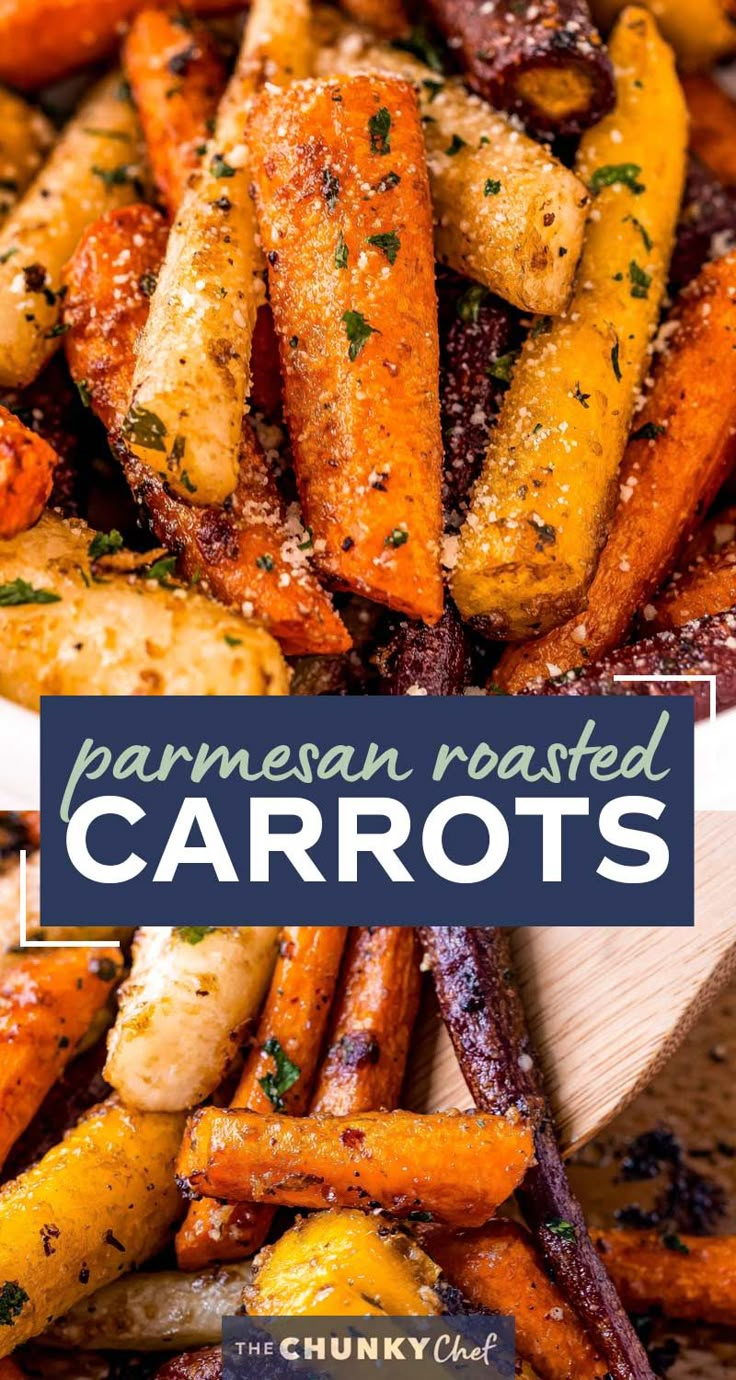

Do not crowd the pan, because giving each piece ample space allows moisture to escape and encourages browning rather than steaming. You can deglaze the pan afterward with white wine or broth, scraping up the flavorful browned bits to create a glossy, restaurant worthy sauce that clings to every carrot.
Braising for Tender, Juicy Results
Braising offers a forgiving path to tender carrots that practically melt in your mouth, especially for larger pieces that might resist quick cooking. After searing the carrots briefly, you add enough stock, wine, or tomato based liquid to come partway up the vegetables, then cover and let time do the work. The gentle steam keeps the carrots moist while the reduction thickens into a deeply flavored glaze.
This method is ideal if you are cooking for a crowd or preparing the Tuscan carrots recipe ahead of time, because the flavors often improve overnight. Reheating gently on the stove with a little extra liquid brings the dish back to life, preserving the soft interior and the glossy exterior that makes it so appealing.
Elevating the Dish with Garnishes and Pairings
Finishing touches can turn a straightforward Tuscan carrots recipe into a restaurant quality presentation that feels complete and thoughtfully composed. A scattering of freshly chopped parsley or basil adds a pop of green and a burst of freshness that cuts through the richness of the olive oil. A final drizzle of high quality extra virgin olive oil or a squeeze of lemon juice brightens the flavors right before serving.
Consider pairing the carrots with proteins such as roasted poultry, grilled fish, or crusty lamb chops, because their varied textures and flavors create a balanced plate. A simple salad dressed in lemon and olive oil, along with a loaf of bread to soak up the savory juices, rounds out the meal and keeps the focus on the sweet, aromatic carrots.
Garnish Ideas for Visual Impact
Visual appeal matters, and a few well chosen garnishes can make your Tuscan carrots recipe stand out on the dinner table. Toasted pine nuts or sliced almonds scattered over the top add a delicate crunch that contrasts beautifully with the soft glaze. Shaved Parmesan or a light sprinkle of Pecorino introduces a salty, nutty note that enhances the natural sweetness of the carrots without overpowering them.
For a more vibrant look, you might drizzle a reduced balsamic glaze in thin lines across the serving platter or tuck small leaves of spinach or arugula around the carrots. These small details signal care and attention to detail, making the dish feel special even on busy weeknights when time is limited.
Wine and Beverage Pairings
Choosing the right beverage can elevate the Tuscan carrots recipe and bring out the hidden layers in the herbs and glaze. A light red wine such as Chianti or Sangiovese mirrors the earthy, herbal notes of rosemary and thyme while complementing the subtle sweetness of the carrots. If you prefer white wine, an unoaked Chardonnay or a crisp Vermentino offers acidity that cleanses the palate between bites.
Non alcoholic options are equally rewarding, with sparkling water infused with citrus or a lightly herbal iced tea providing a refreshing contrast. The goal is to keep the flavors bright and refreshing enough to highlight, rather than mask, the careful balance of salt, pepper, and sweetness you have crafted on the stove.
As you continue to explore variations of this dish, you will discover how easily the Tuscan carrots recipe adapts to different seasons, dietary preferences, and culinary traditions. Adding a touch of citrus zest, swapping herbs, or stirring in a handful of toasted seeds can refresh the familiar flavors while keeping the technique comfortable and reliable. Let your curiosity guide each iteration, trusting your palate to refine the balance of sweetness, salt, and aroma until the carrots feel unmistakably your own.
Related Articles
Delicious Tuscan Roasted Carrots Recipe Healthy And Flavorful
Tuscan roasted carrots bring the warmth and rustic charm of Italy straight to your dinner table, transforming a simple root vegetable into a vibrant side dish...

Delicious Tuscan Style Roasted Carrots Recipe Flavorful And Healthy
Tuscan style roasted carrots bring the warmth of the Italian countryside straight to your dinner table with caramelized edges, fragrant herbs, and a deeply...

Simple Apple Pie Crust Recipe Easy Step By Step Guide
Making a simple apple pie from scratch is easier than you might think, especially when you start with a reliable simple apple pie crust recipe easy to follow...

Perfect Clay Brick Recipe Easy Step By Step Guide
Creating a clay brick recipe connects ancient craftsmanship with modern construction needs, offering a hands-on approach to building materials. This process...

Donaldo Cooks Orange Chicken Recipe Easy Delicious Cooking Tips
Donaldo cooks orange chicken brings a restaurant quality twist to a beloved classic dish that you can easily recreate at home. The combination of sweet, tangy...

Easy Shredded Beef Taco Recipe Quick Delicious Weeknight Meals
Shredded beef taco recipe easy is the kind of kitchen shortcut that turns an ordinary weeknight into a flavorful celebration without any stress. Using tender...