Small Hallway Paint Colors Ideas To Brighten Narrow Spaces
Choosing the right small hallway paint colors can completely transform the flow and feel of your home, turning a simple passage into a welcoming introduction to your space. This narrow zone often acts as the first visual experience guests have when they arrive, so it deserves careful attention to hue, tone, and finish. Many homeowners overlook this canvas, yet a thoughtful palette can make a cramped area feel larger, a dark corridor feel bright, and a plain transition zone feel curated and intentional. By treating your hallway like a design feature rather than an afterthought, you set the mood for every room you pass through.
A successful hallway palette balances practicality with personality, considering factors like natural light, ceiling height, and the surrounding rooms it connects. Light, warm neutrals are a classic safe choice, but bold accent walls or subtle gradients can add energy and direction when planned correctly. The paint finish also matters, with matte hiding imperfections while satin and semi-gloss offer durability and easier cleaning in high-traffic paths. When you explore small hallway paint colors, you are really exploring how color psychology and spatial perception work together to guide people through your home.
Understanding Spatial Effects with Color
Color has a powerful impact on perception, and in a tight passage, the right small hallway paint colors can make a narrow space feel expansive and inviting. Cool tones like soft blues, greens, and greys tend to recede visually, creating a sense of depth, while warm tones can make a room feel cozier but potentially tighter if overused. Testing samples at different times of day helps reveal how natural light shifts the appearance of your chosen hue and ensures the corridor looks balanced from every angle.


In addition to temperature, value plays a critical role in defining how spacious a hallway feels. Lighter values reflect light and open up a room, while darker values add drama and intimacy but can close in a small area if not balanced with sufficient illumination. When planning your palette, consider how the walls interact with your ceiling and flooring, aiming for either subtle contrast for a modern look or gentle tonal transitions for a seamless, airy effect.
Vertical Emphasis for Height
One effective trick in a low-ceilinged corridor is to use vertical stripes or a gradual color gradient on the walls to draw the eye upward. Painting the ceiling a slightly lighter version of your wall color can blur the boundary between wall and ceiling, making the whole area feel taller. Small hallway paint colors applied with intention can create illusions of height without any structural changes, turning a boxy passage into a refined architectural feature.


Baseboards, trim, and doors also contribute to this vertical illusion. Choosing a trim color that contrasts slightly with the wall, or painting the door frame in a deeper tone, adds layers that make the space feel more detailed and purposeful. Even a modest hallway can appear grand when color is used to sculpt proportion and scale.
Accent Walls and Focal Points
If you prefer more personality, an accent wall at the end of the hallway provides a striking focal point without overwhelming the entire passage. Selecting a deeper, richer small hallway paint colors for this backdrop can make artwork, mirrors, or statement lighting pop, creating a memorable first impression. This technique works especially well in homes where the hallway opens directly into a living area or staircase.
When placing artwork or decor, align pieces with the new color to unify the design narrative. A single bold piece or a curated gallery wall can turn a blank expanse into a conversation starter, ensuring that your hallway is as expressive as the rooms it connects.
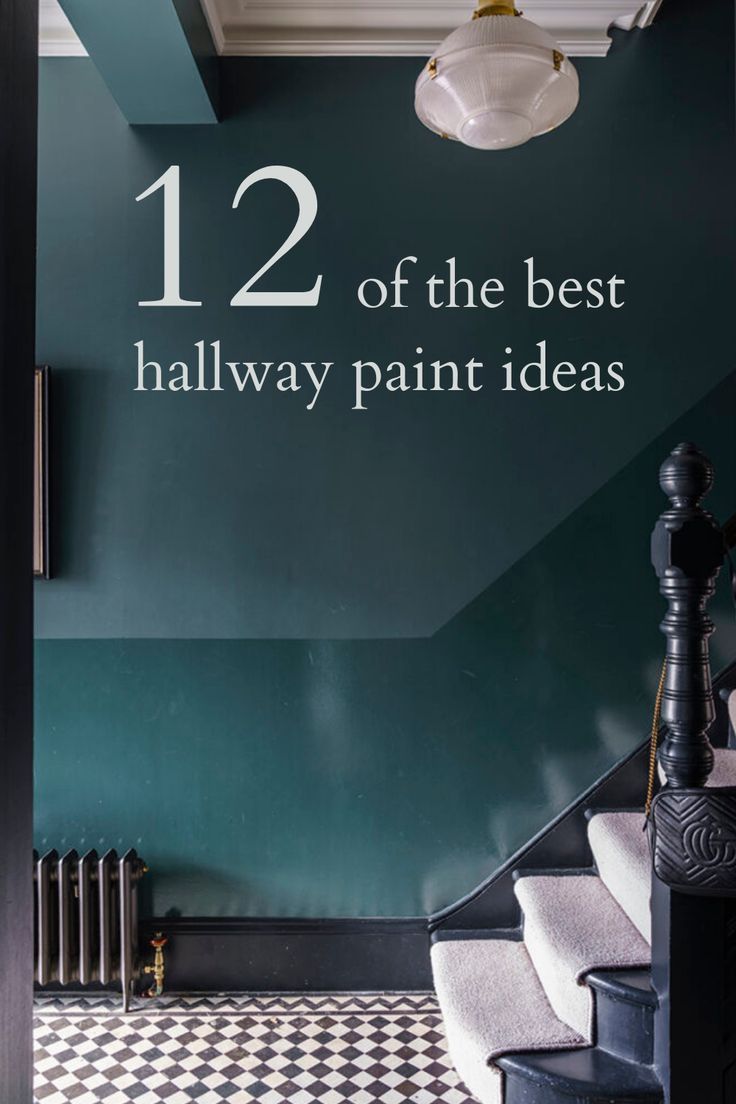


Choosing a Harmonious Palette
Harmony is essential when selecting small hallway paint colors, especially if the corridor links rooms with very different decors. Neutral palettes with subtle warm or cool undertones tend to act as universal bridges, allowing each adjacent space to maintain its identity while still feeling part of a cohesive plan. Think of the hallway as the thread that stitches together the fabric of your home’s interior.
Consider testing three potential shades on the wall to see how they interact with your flooring and fixed elements like cabinets or built-ins. Observe how the colors look in both daylight and artificial light, since incandescent bulbs can warm a space while LEDs may keep it cooler. This side-by-side comparison helps you refine your choice and avoid surprises once the paint is fully cured.
Neutrals with Nuance
Shades like greys, beiges, and off-whites can be layered with warmth or coolness to suit your style precisely. A greige with a hint of taupe offers a grounded, modern feel, while a soft greige with a touch of pink can add subtle sophistication. These nuanced neutrals provide the perfect backdrop for bold artwork, metallic fixtures, or natural textures like wood and stone.


Finish selection is equally important, as a matte wall can hide minor imperfections in plaster but may show marks more easily. Satin or eggshell finishes strike a balance between durability and aesthetics, making them popular choices for hallways that experience frequent movement and occasional bumps from furniture or packages.
Monochromatic Depth
Using varying tones of a single color creates depth and cohesion, especially in an open-plan layout where the hallway flows into larger rooms. By painting the walls a lighter version and the trim a darker version of the same hue, you add dimension without breaking visual continuity. This approach works beautifully with small hallway paint colors like soft browns, dusty blues, or muted greens.
Adding texture through subtle wallpaper, vertical slats, or a neatly taped stripe pattern can elevate a monochromatic scheme from plain to polished. The key is to keep the design restrained so the hallway feels serene rather than busy, allowing each element to breathe and support the overall flow.
Lighting and Finish Considerations
Lighting is one of the most influential factors in how small hallway paint colors appear throughout the day. Natural light from windows or skylights can brighten a narrow space, while layered artificial lighting with warm or cool LEDs can enhance specific features. Consider placing sconces at eye level to wash the walls evenly and reduce harsh shadows that might make the corridor feel closed in.
The paint finish you choose affects both aesthetics and maintenance. Matte finishes absorb light for a sophisticated look but can be prone to scuffs, whereas satin and semi-gloss finishes reflect light and clean up more easily. For high-traffic corridors, a durable finish paired with thoughtful color selection ensures your hallway stays looking fresh season after season.
Reflective Surfaces and Mirrors
Mirrors and reflective surfaces amplify the impact of your chosen palette, making a compact hallway feel brighter and more open. Positioning a large mirror opposite a window or light source bounces natural light deeper into the space, enhancing the effect of your small hallway paint colors. This simple trick can reduce the need for heavy artificial lighting during the day.
Complementing reflective elements with metallic or glass hardware in the same corridor adds a touch of cohesion. Brushed nickel, matte black, or antiqued brass fixtures can tie together mirrored accents and painted surfaces, creating a refined, intentional look that elevates even the smallest passage.
Time of Day and Weather Influence
Observe how your hallway behaves across different times and weather conditions. A small hallway paint colors that looks crisp and sunny in morning light may appear darker under cloudy skies or evening lamps. Choose a versatile shade with enough depth to handle these shifts while still maintaining a welcoming atmosphere.
Testing samples on multiple walls helps you understand how the color behaves around corners and door frames. Pay attention to transitions where the hallway meets other rooms, ensuring the palette either gently contrasts or smoothly blends according to your intended design narrative.
By paying attention to how light, space, and style interact, you can confidently select small hallway paint colors that elevate everyday moments and leave a lasting impression on anyone who passes through.
Related Articles

Best Paint Color for Narrow Dark Hallway Ideas to Brighten Spaces
Choosing the best paint color for narrow dark hallway can feel overwhelming, but the right shade transforms gloomy confusion into a calm, stylish passage. Many...

Small Hallway Decorating Ideas Maximizing Narrow Spaces
Decorating a narrow hallway can feel challenging, but with the right strategy it becomes a rewarding project that enhances your home flow. Many homeowners...
Narrow Hallway Ideas UK: Stylish Solutions For Small Spaces
Navigating a narrow hallway in a UK home can feel like a design hurdle, yet with the right narrow hallway ideas UK homeowners can transform these spaces into...

Narrow Hallway Lighting Ideas 10 Modern Solutions To Brighten Tight Spaces
Transforming a narrow hallway from a mere passage into a stylish and inviting space is easier than you might think, especially with the right narrow hallway...

Small Hallway Seating Ideas to Maximize Space in Tiny Areas
When you think about entryways, the small hallway seating ideas for small spaces often get overlooked, yet this narrow zone is the first impression guests...
Small Hallway Colors Ideas Design Inspiration
Choosing the right small hallway colors can transform a narrow and dull entryway into a stylish and welcoming passage. Many homeowners underestimate how much...