Small Hallway Colors Ideas Design Inspiration
Choosing the right small hallway colors can transform a narrow and dull entryway into a stylish and welcoming passage. Many homeowners underestimate how much impact a thoughtful palette has on the first impression of a home. A hallway is more than just a transition space; it sets the tone for the rooms that follow.
When you consider small hallway colors, you are dealing with a unique challenge where lighting, spatial perception, and mood must work in harmony. The goal is to make the area feel open, clean, and intentional without overwhelming the senses. This guide will walk you through the best approaches to selecting finishes that enhance both the function and beauty of your entry.
Understanding Light and Space
The first factor to consider in small hallway colors is how natural and artificial light interacts with the walls. Dark or saturated hues can absorb light, making a narrow passage feel cramped, while lighter tones reflect light and create a sense of expanded dimensions.


By analyzing the direction of windows and the type of fixtures you plan to use, you can determine whether warm or cool tones will work best. A space that receives little sunlight will benefit from warm creams and soft beiges, while a bright hallway can handle deeper, more dramatic shades without feeling heavy.
Strategic Use of Reflective Finishes
Incorporating finishes with a subtle sheen is one of the most effective small hallway colors strategies. Eggshell or satin paints bounce light around the room, visually pushing walls back and reducing the feeling of confinement.


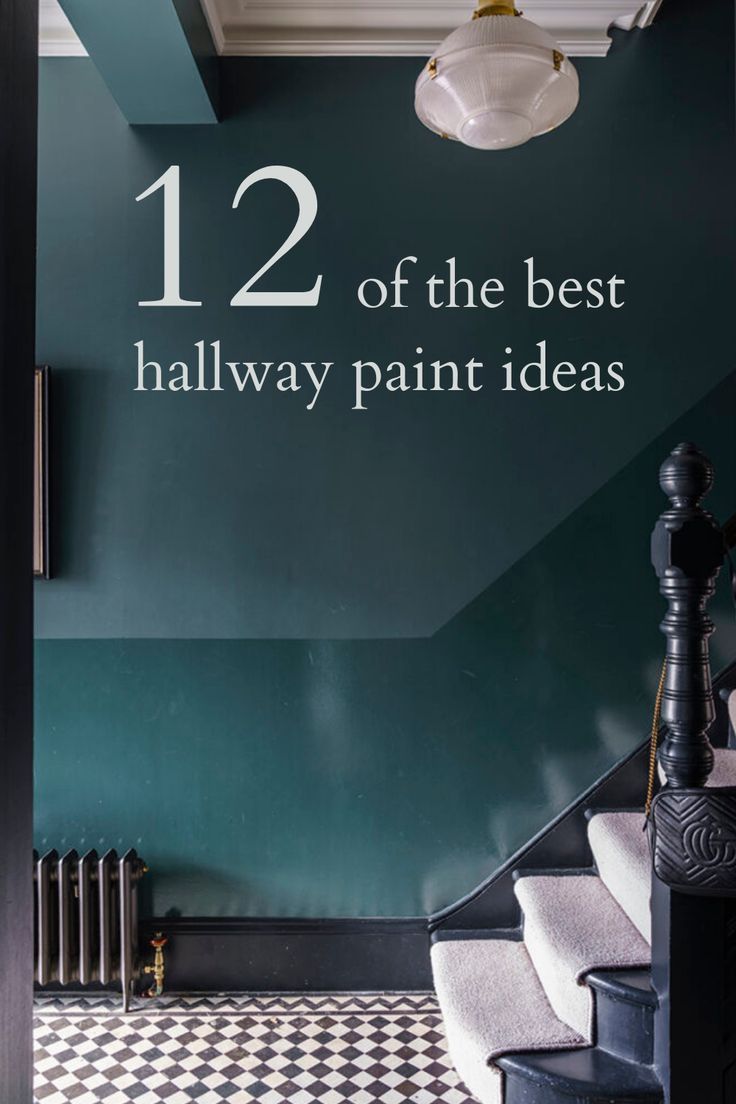
Avoid high-gloss finishes in spaces with imperfections, as they will highlight every bump and mark. Instead, choose a mid-level sheen that offers durability and an elegant lift without turning the corridor into a mirror.
Creating Depth with Monochromatic Layers
One of the most sophisticated small hallway colors ideas involves using varying shades of the same color. By painting the ceiling a lighter version of the wall color, you create a seamless flow that tricks the eye into seeing a larger space.
Adding a slightly deeper tone to the trim or baseboards provides definition and structure. This technique keeps the look cohesive while ensuring that the hallway does not disappear into the background.


Setting the Emotional Tone
Beyond the physical dimensions, small hallway colors play a critical role in influencing the emotional atmosphere of the home. A calm palette can ease the transition between the chaotic outside world and the private spaces of your living areas.
Consider the energy you want guests to feel when they walk through the door. Is the hallway a place of quiet reflection, or does it channel vibrant energy? The right colors answer these questions before a word is spoken.
Embracing Warm Neutrals
Warm neutrals like taupe, greys with brown undertones, and soft camel are timeless small hallway colors that pair well with almost any interior style.


These shades act as a versatile backdrop, allowing you to change accessories and artwork without clashing. They also create a soft, intimate environment that feels personal rather than clinical.
Injecting Personality with Accent Walls
If your space is too bland, introducing a single accent wall is a powerful way to add character without overwhelming the square footage. Choose a rich jewel tone or a deep blue to create a focal point that feels dramatic yet controlled.
When using bold small hallway colors on one wall, ensure the other surfaces remain neutral to maintain balance. This method adds depth and interest while keeping the corridor from feeling too busy or loud.
Practical Coordination and Flow
A successful hallway design does not exist in a vacuum; it must connect seamlessly with the adjoining rooms. The small hallway colors you select should act as a bridge between the interior spaces, creating a sense of harmony throughout the floor plan.
Look at the dominant colors in the nearby living room, kitchen, or bedroom. You do not need to match them exactly, but you should find a way to echo a key shade to unify the home’s aesthetic journey.
Testing in Real Environments
Swatches look different on the wall than they do on a paint chip card, especially in confined spaces. Always test your chosen small hallway colors by painting a large section and observing how the color shifts throughout the day.
Pay attention to how the color changes under evening lighting compared to morning light. This step ensures that the mood you want to create remains consistent regardless of the time.
Coordinating with Trim and Hardware
The success of your small hallway colors often depends on the details, such as the trim, doors, and hardware. White or painted trim provides a clean contrast that makes the wall color pop, while brass or matte black fixtures add a modern edge.
Make sure the finish of the hardware aligns with the overall style of the home. This attention to detail ties the entire look together, making the hallway feel polished and intentional rather than accidental.
As you finalize your choices, remember that the perfect small hallway colors are the ones that feel authentic to your lifestyle and aesthetic preferences. Take your time, trust your instincts, and allow the space to evolve as you add your personal touch through art and decor.
Related Articles

Small Hallway Colour Ideas Dulux Stunning Design Inspiration
Choosing the right small hallway colour ideas Dulux can completely transform the way your home feels, turning a narrow passage into a stylish and welcoming...

Small Hallway Entrance Ideas Pinterest Inspiration For Maximizing Space
Transforming a narrow entryway is one of the quickest ways to elevate your home's first impression, and small hallway entrance ideas on Pinterest offer a...

Small Foyer With Staircase Ideas Design Inspiration
The small foyer with staircase is often the first story your home tells the moment someone steps inside. Even in compact entryways, thoughtful planning can...

Small Hallway Paint Ideas Pinterest Inspiration Designs
Transforming a small hallway can feel like a design challenge, but small hallway paint ideas pinterest offer a world of inspiring solutions to make the most of...

Stunning Arched Entryway Hallway Design Ideas Small Spaces
An arched entryway hallway serves as an immediate visual statement the moment someone steps inside your home. This architectural detail frames movement, light...

Small Hallway With Lots Of Doors Design Ideas Storage Solutions
Walking down a narrow corridor lined with worn wood and soft light, you notice something intriguing about a small hallway with lots of doors. Each threshold...