Small Hallway Color Ideas 101 Stylish Design Hacks
Choosing the right small hallway color ideas can completely transform the way your home feels from the moment someone steps inside.
Because hallways are often narrow and receive less natural light, the palette you select has the power to either open up the space or make it feel even more confined.
Embracing Light and Airy Tones
Light colors are the most classic solution for tight spaces, as they reflect light and create an immediate sense of openness.


Soft whites, creamy beiges, and gentle greys act like a visual expansion, making the walls recede and the floor appear higher.
Cool Neutrals for a Modern Feel
Cool neutral tones like misty grey, sea salt blue, and off-white bring a contemporary vibe to a standard corridor.


These hues work exceptionally well in north-facing hallways where the light is cooler, creating a balanced and serene atmosphere.
Warm Neutrals for Cozy Charm
If your hallway feels stark, introducing warm neutrals such as sand, taupe, or soft biscuit can add instant character.
These colors inject a touch of warmth and comfort, preventing the space from feeling too clinical or sterile.


Creating Depth with Dark and Moody Shades
While light tones are safe, using small hallway color ideas involving deeper shades can result in a dramatic and sophisticated look.
Dark colors on one or two feature walls can create a sense of intimacy, drawing the eye forward and making the passage feel intentional.
Navy and Midnight for Elegance
Navy blue is a powerful choice that exudes elegance and pairs beautifully with brass or crystal lighting fixtures.


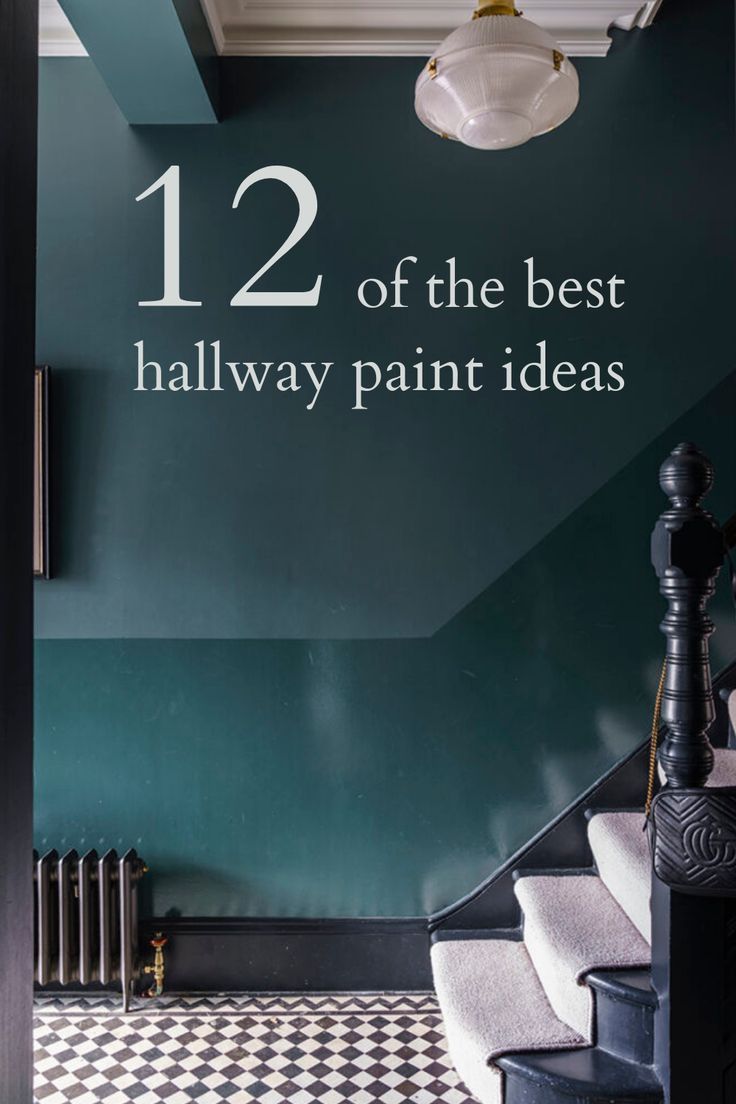


Deep charcoal or muted black frames can make white trim pop, adding contrast and a high-fashion edge to a narrow passage.
Earthy Darks for Grounded Warmth
Colors like dark espresso, forest green, or muted terracotta bring the feeling of the outdoors inside, grounding the space.
These tones work particularly well when paired with natural wood elements, such as a dark staircase or trim.
Playing with Patterns and Accents
If you are worried that a solid color might be too bland, integrating subtle patterns is a smart small hallway color ideas strategy.
Geometric tiles, striped wallpaper, or a painted wainscoting design can add visual interest without overwhelming the square footage.
Stripes and Vertical Lines
Horizontal stripes can widen a room, but vertical stripes on the walls or floor can literally lift the eye upward, making ceilings feel higher.
Using a monochromatic color scheme for the stripes ensures the look remains sophisticated rather than chaotic.
Feature Walls and Trim Contrast
Painting just one wall a bold color while keeping the others light creates a focal point that stops you in your tracks.
Contrasting door and baseboard colors define the space clearly, adding architectural detail to an otherwise plain surface.
Maximizing Natural and Artificial Light
Regardless of the palette you choose, the interaction with light is the most critical factor in the success of small hallway color ideas.
Glossy or semi-gloss finishes bounce light around the room, while matte finishes absorb it, so choosing the sheen is just as important as the color itself.
Mirrors and Reflective Surfaces
Mirrors are a designer trick to amplify light, making a dark hallway feel bright and welcoming.
Metallic fixtures or glass tiles also contribute to this effect, adding a subtle shimmer that enhances the overall brightness.
Strategic Lighting Fixtures
Layered lighting ensures the color looks consistent at all times of day, from harsh sunlight to warm evening glow.
Sconces placed at eye level and pendant lights hanging above the stairs provide targeted illumination that highlights the paint color beautifully.
Finalizing Your Palette
Before committing to a shade, always test your small hallway color ideas on the actual walls at different times of the day.
Observe how the light changes the depth and undertone, ensuring the mood you want is present whether it is sunny or rainy outside.
Taking the time to consider flow, furniture, and your personal taste will result in a hallway that feels intentional rather than accidental.
View this journey as an opportunity to set the tone for your entire home, creating a welcoming passage that hints at the style waiting just around the corner.
Related Articles

Modern Bedroom Ideas for Small Spaces Stylish Design Hacks
Designing a modern bedroom ideas for small room can feel challenging, but it is absolutely possible to create a space that feels calm, spacious, and stylish...

Classic Small Living Room Ideas Design Tips and Space Saving Hacks
Designing a beautiful and functional space in a classic small living room can feel like a thrilling challenge rather than a limitation. When you embrace...
Small Hallway Colors Ideas Design Inspiration
Choosing the right small hallway colors can transform a narrow and dull entryway into a stylish and welcoming passage. Many homeowners underestimate how much...

Cool Guest Room Ideas Design Hacks For Stylish Stays
Creating a welcoming retreat inside your home starts with thoughtful cool guest room ideas that prioritize both comfort and style. A dedicated space for...

Small Hallway Door Color Ideas 10 Stunning Designs To Refresh Your Entryway
Choosing the right small hallway door color ideas can completely transform the feel of your entryway, making a tiny space feel welcoming instead of closed off...

Small Apartment Patio Design Ideas Pictures 15 Space Saving Hacks
Designing a small apartment patio can transform a tiny outdoor slab of concrete into your personal urban sanctuary, offering a breath of fresh air without the...