Poirot Cards On The Table Filming Locations Guide Explore The Stunning Real Scenes
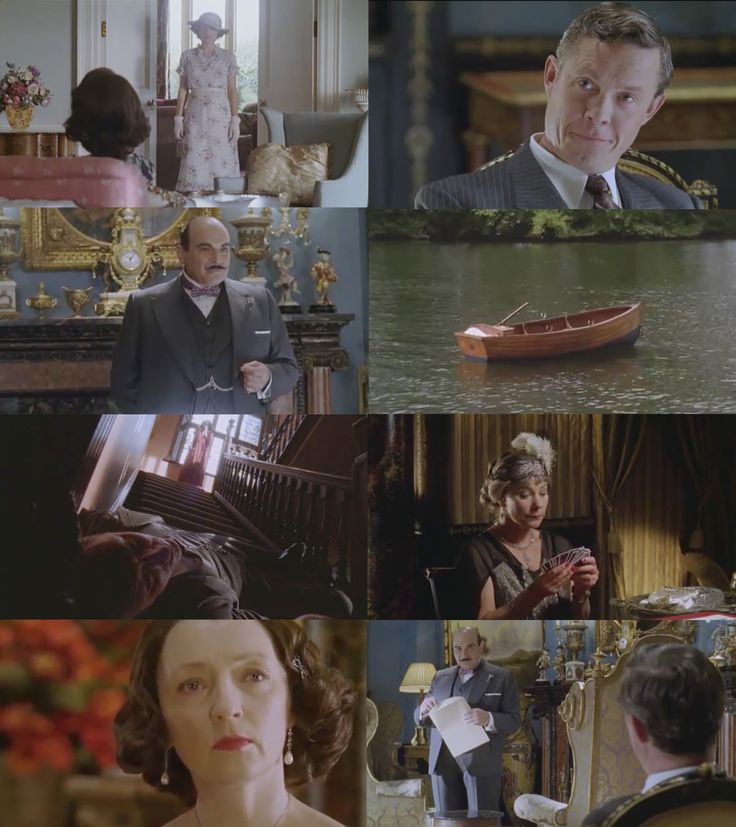
Exploring the filming locations behind Poirot Cards on the Table offers a fascinating glimpse into how cinema recreates Agatha Christie’s meticulously crafted world. This 2023 screen adaptation brings together a stellar cast and atmospheric settings that transport viewers straight into the golden age of mystery.
From the grandeur of the country house to the intimate tension in the drawing room, each frame is designed to echo the novel’s sense of impending dread. Understanding where these scenes were shot enhances the appreciation of both the story and the visual storytelling techniques employed by the director.
Primary Filming Locations Overview
The production team scoured the United Kingdom to identify venues capable of embodying the novel’s period details and oppressive atmosphere. These locations were chosen not just for their visual appeal but also for their ability to support complex interior shots and period-authentic staging.


Securing these sites involved extensive coordination with local authorities and preservation groups, ensuring that the integrity of the historic buildings remained intact. The result is a seamless blend of authentic architecture and cinematic illusion that grounds the supernatural elements of the plot.
Country Manor House Exterior
The imposing country manor served as the central exterior location, conveying the isolation and grandeur that defines the characters’ predicament. Its stone façade and sprawling gardens were filmed over several days to capture different lighting conditions.


Drone footage and wide-angle lenses emphasized the building’s scale, while tightly framed shots at ground level highlighted the intricate stonework and period windows. This location became the visual anchor for the entire narrative.
Interior Drawing Room Sets
Inside, the production constructed a meticulously detailed drawing room that mirrored the descriptions in the book. Velvet drapes, antique furniture, and carefully placed props created an environment steeped in tension and formality.
Close-up scenes focusing on subtle gestures and lingering glances were shot here, with natural light filtered through lace curtains to maintain a soft, suspenseful ambiance. The space felt lived-in, reinforcing the psychological stakes of the story.


Supporting Locations and Urban Context
Beyond the manor, urban sequences provided contrast and narrative pacing. These settings allowed the film to transition between public normalcy and private intrigue, expanding the story’s emotional range.
Shooting in these areas required careful scheduling to minimize disruptions, with night shoots often preferred to maintain continuity and control over ambient lighting conditions.
Village Street and Market Square
The quaint village street, lined with period shopfronts and cobblestones, established the local flavor and community dynamics. Wide shots captured the charm of everyday life juxtaposed against the unfolding mystery.


Choreographing background action here was essential to maintain authenticity, with locals playing minor roles and shop windows dressed to reflect the era. This location grounded the high-concept plot in a recognizable rural setting.
Town Hall Meeting Scene
The pivotal town hall sequence was filmed in a historic civic building with high ceilings and wooden paneling. The chamber-like acoustics amplified the tension during the heated debate among villagers.
Steadicam movements followed the characters as they shifted alliances, while overhead lighting created dramatic shadows across their faces. This setting effectively conveyed the weight of collective suspicion and fear.
Post-Production and Visual Cohesion
Once principal photography concluded, the editorial team worked to unify the diverse locations through color grading and subtle visual effects. Consistency in tone was crucial to maintain the Hitchcockian suspense that the story demanded.
Sound design also played a critical role, with ambient noises from each location carefully mixed to preserve spatial authenticity and enhance the immersive experience.
Color Grading and Atmospheric Consistency
Cool blues and muted greys dominated the palette, reflecting the emotional chill and moral ambiguity faced by the characters. These choices subtly guided the audience’s perception of each location.
Transitions between indoor and outdoor scenes were smoothed using matching filters and lighting adjustments, ensuring that the viewer remained immersed in the film’s eerie world without visual dissonance.
Soundscape and Location Authenticity
Field recordings from the actual sites, including birdsong, distant traffic, and creaking floorboards, were layered beneath the score to add texture and realism.
This attention to sonic detail strengthened the sense of place, making each location feel tangible and lived-in, which in turn heightened the impact of the more stylized or surreal moments.
For anyone interested in the intersection of classic literature and modern filmmaking, examining where Poirot Cards on the Table was filmed deepens the connection to the material. The thoughtful curation of real and constructed spaces ensures that Agatha Christie’s story continues to resonate through both narrative and visual craft.
Related Articles
Cards On The Table Poirot Locations Unveiled The Ultimate Guide
Agatha Christie's legendary detective Hercule Poirot has fascinated readers and viewers for decades, and the timeless question of where to experience his...

What Size Should Wedding Place Cards Be SEO Guide Table Settings
Choosing the right size for wedding place cards is a detail that shapes the entire flow of your reception, balancing elegance with practical seating guidance...

Stunning Garden Locations For Photography Near Me SEO Guide
Finding garden locations for photography near me has become a favorite weekend quest for visual storytellers who want to capture nature in its most unguarded...

The Ultimate Table Setting Guide: Stunning Table Seating Ideas for Every Occasion
Understanding the nuances of table setting is essential for creating a memorable dining experience that feels both organized and welcoming. Every element, from...

What Are the 5 Cards on the Table Called in Poker? The Ultimate Guide
When you watch a poker game on television or sit at a live table, one of the most tense moments occurs when the dealer lays down the final cards in the center...

Marie Selby Botanical Gardens Locations Guide Explore Southwest Florida
Located in the heart of Sarasota, Florida, the marie selby botanical gardens represent a lush sanctuary dedicated to the beauty of the natural world. This...