Cards On The Table Poirot Locations Unveiled The Ultimate Guide
Agatha Christie's legendary detective Hercule Poirot has fascinated readers and viewers for decades, and the timeless question of where to experience his brilliant cases remains at the forefront of every mystery enthusiast's travel agenda. Understanding cards on the table poirot locations provides a unique lens through which to explore the geographical and atmospheric settings that gave life to these intricate narratives. From the glamorous express routes of Europe to the quiet English village, the world of Poirot is as much a character in the stories as the little grey cells themselves. This guide serves as your definitive resource for pinpointing the physical spaces where these iconic investigations unfolded, helping you trace the footsteps of the meticulous Belgian inspector.
Whether you are a dedicated armchair sleuth or an aspiring traveler planning a literary pilgrimage, knowing the specific cards on the table poirot locations transforms the act of reading or watching into a tangible, immersive experience. These locales are not merely backdrops; they are the very stages upon which the drama of suspicion, confession, and ultimate revelation plays out. By mapping out these settings, you gain a deeper appreciation for the cultural and spatial dynamics that Agatha Christie masterfully wove into her plots. This article will dissect the primary environments associated with the card game metaphor and the subsequent investigations, ensuring you know exactly where the action takes place.
The Metaphorical Table: Settings of High Stakes
The phrase "cards on the table" immediately evokes the image of a lavish gathering, a private sitting room, or a secluded country house where secrets are as thick as the décor. These are the quintessential Christie locales where the social facade cracks under pressure. The card game itself often symbolizes the dangerous revelation of hidden truths, a literal laying bare of hands that mirrors the psychological unmasking at the heart of every Poirot story. Recognizing these high-stakes environments is the first step in identifying the famous cards on the table poirot locations that define the golden age of detective fiction.


Within these opulent settings, the architecture and geography become crucial to the plot's tension. A locked room, a isolated manor, or a luxurious suite on a train ceases to be a simple setting and instead becomes a character that confines and pressures the suspects. The geography dictates the flow of the investigation, trapping Poirot and the reader alike within a specific perimeter where the culprit must exist. This physical limitation is what makes the solutions so satisfying, as the vastness of the outside world is temporarily shut out in favor of the microcosm of crime.
Grand European Express Routes
The Orient Express is perhaps the most iconic example of a confined Poirot location, a rolling mansion on rails that serves as the perfect pressure cooker for murder and intrigue. When thinking of cards on the table poirot locations, the dining car of the Blue Train or the luxurious cabins of the Simplon Orient Express immediately come to mind. These metal carriages hurtling through foreign landscapes create a micro-society where class, nationality, and motive collide with the relentless pace of the journey. The geography of the railway map itself dictates the route of the investigation, moving from Istanbul to London or Paris to Zagreb.


Traveling these routes today offers a direct connection to the text, allowing you to see the landscapes that blurred past the windows as Christie wrote. While the original Orient Express service has ceased, the spirit of the journey lives on in the simplified train network that connects major European capitals. Standing on the platform or looking out at the scenery, you can almost feel the same sense of impending drama that gripped Poirot's passengers, making the historical geography of these routes a vital part of the fan experience.
Country House Mysteries
Equally prevalent in the Poirot canon are the static, sprawling estates where the world outside seems to cease to exist. These English country houses, with their manicured gardens and echoing halls, provide the perfect stage for a closed circle of suspects. In these locations, the cards are metaphorically placed on the heavy oak dining room table, and the investigation becomes a matter of dissecting the alibis and social connections within the confined ecosystem of the estate. The geography here is one of isolation, where the moors, dense woods, or sheer distance from the nearest village ensure that the killer cannot easily escape the net cast by Poirot.
Village settings also play a crucial role, particularly in later stories where the investigation unfolds in the familiar yet deceptive environment of a small community. Here, the cards on the table are the seemingly friendly faces and long-standing grudges of the neighbors. The geography of the village—its narrow streets, local pubs, and hidden corners—provides the perfect cover for gossip and subterfuge. Exploring these locations offers insight into how Christie used the British landscape to both comfort and unsettle the reader, creating a sense of familiarity that makes the betrayal all the more shocking.

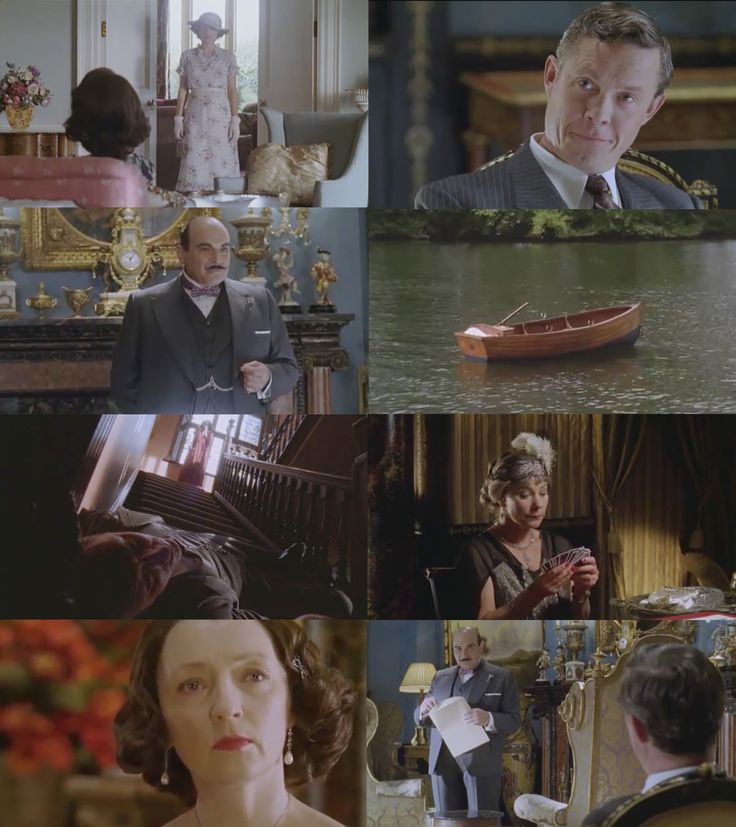


Modern Interpretations and On-Site Exploration
For the modern fan, the cards on the table poirot locations have transcended the pages of the novel to become tangible tourist attractions. Luxury trains, boutique hotels, and heritage properties actively market their connection to the famous sleuth, allowing visitors to sleep in the very rooms where a murder might have occurred. This blending of fiction and reality has created a niche market for literary tourism, where geography serves as a direct bridge between the audience and the text. Walking through a recreated Art Deco suite or dining on the Orient Express transforms the abstract locations of the story into vivid, sensory memories.
Furthermore, the rise of interactive media and escape rooms has translated the Poirot experience into physical challenges that test the participant's observation and deduction skills. These venues often replicate the dense geography of a Christie location, forcing teams to search for clues in meticulously designed spaces that mirror the card table's tension. By engaging with these modern interpretations, enthusiasts can physically embody the role of the detective, navigating the same spatial puzzles that once confounded Poirot's clients. It is a testament to the enduring power of the settings that they continue to inspire such immersive experiences.
The Psychology of Place
Beyond the physical coordinates, the true geography of a Poirot story lies in the psychology of the location. A grand hotel bedroom suggests isolation and vulnerability, while a bustling train station implies transition and anonymity. Agatha Christie was a master of using the environment to reflect the internal state of her characters, making the location an extension of their psyche. Understanding this allows the reader or viewer to see the cards on the table not just as a plot device, but as a window into the killer's mindset and the pressure they were under.


The choice of venue often dictates the social rules of the game. In a sterile, modern apartment, the dynamics are different than in a centuries-old chateau filled with heirlooms and history. Each location carries its own weight and history, which Christie leveraged to create specific social hierarchies and tensions among her characters. Analyzing these environmental cues is essential for a deep understanding of the narrative, revealing how the setting itself conspires to create the perfect crime scenario that Poirot must unravel.
Preserving the Legacy
As time passes, the original cards on the table poirot locations face the risk of fading into obscurity, replaced by modern developments and lost to urbanization. However, there is a concerted effort among fans and preservationists to maintain the connection to these iconic sites. Museums dedicated to Agatha Christie, guided tours of historic hotels, and digital archives work tirelessly to ensure that the geography of her genius is not forgotten. This preservation allows new generations to experience the thrill of discovery in the very landscapes that inspired the stories.
Engaging with these preserved locations fosters a deeper appreciation for the craft of storytelling. It highlights the incredible foresight and detail Agatha Christie employed in grounding her fantastical plots in real, recognizable places. By visiting a preserved manor or stepping onto a meticulously restored train carriage, the audience gains a profound respect for the logistical brilliance required to execute such intricate narratives within specific, believable confines. It solidifies the link between the imaginative world of fiction and the tangible world we inhabit.
Exploring the world of Hercule Poirot through the lens of location transforms the viewing or reading experience into a rich, multi-dimensional adventure that extends far beyond the final reveal. The geography of suspicion, the layout of the crime scene, and the atmosphere of the era all contribute to the enduring mystique of the stories. By seeking out and understanding these cards on the table poirot locations, fans can forge a more intimate connection with the master of mystery, appreciating how space and place are as integral to the crime as the criminal themselves.
Embracing the journey to these storied locales, whether through physical travel or thoughtful analysis, allows the spirit of Agatha Christie's creations to remain vibrantly alive. The next time you encounter a suspiciously convenient meeting in a grand lobby or a fateful confrontation in a secluded drawing room, you will find yourself automatically mapping the geography of the crime. This heightened awareness ensures that the hunt for the truth, so brilliantly orchestrated by Poirot, continues to captivate and challenge us long after the final page is turned or the credits roll.
Related Articles
Poirot Cards On The Table Filming Locations Guide Explore The Stunning Real Scenes
Exploring the filming locations behind Poirot Cards on the Table offers a fascinating glimpse into how cinema recreates Agatha Christie’s meticulously crafted...

What Are the 5 Cards on the Table Called in Poker? The Ultimate Guide
When you watch a poker game on television or sit at a live table, one of the most tense moments occurs when the dealer lays down the final cards in the center...

Garden of Cards: The Ultimate Guide to Building Your Dream Deck
Few images capture the fragile beauty of human creativity as instantly as a garden of cards standing in careful, shimmering rows. This delicate arrangement...

What Cards Are Worth the Most: Ultimate Value Guide
When people think about which playing cards hold the most value, they often picture a single winning hand or a rare collectible rising to extraordinary prices...

What Size Should Wedding Place Cards Be SEO Guide Table Settings
Choosing the right size for wedding place cards is a detail that shapes the entire flow of your reception, balancing elegance with practical seating guidance...
What Are the Cards for Poker: Ultimate Guide to Poker Hands
Playing cards are the tangible heartbeat of every poker game, transforming a simple bet into a burst of tension and possibility. Understanding what are the...