Transform Your Hallway with Dark Color Painting Ideas
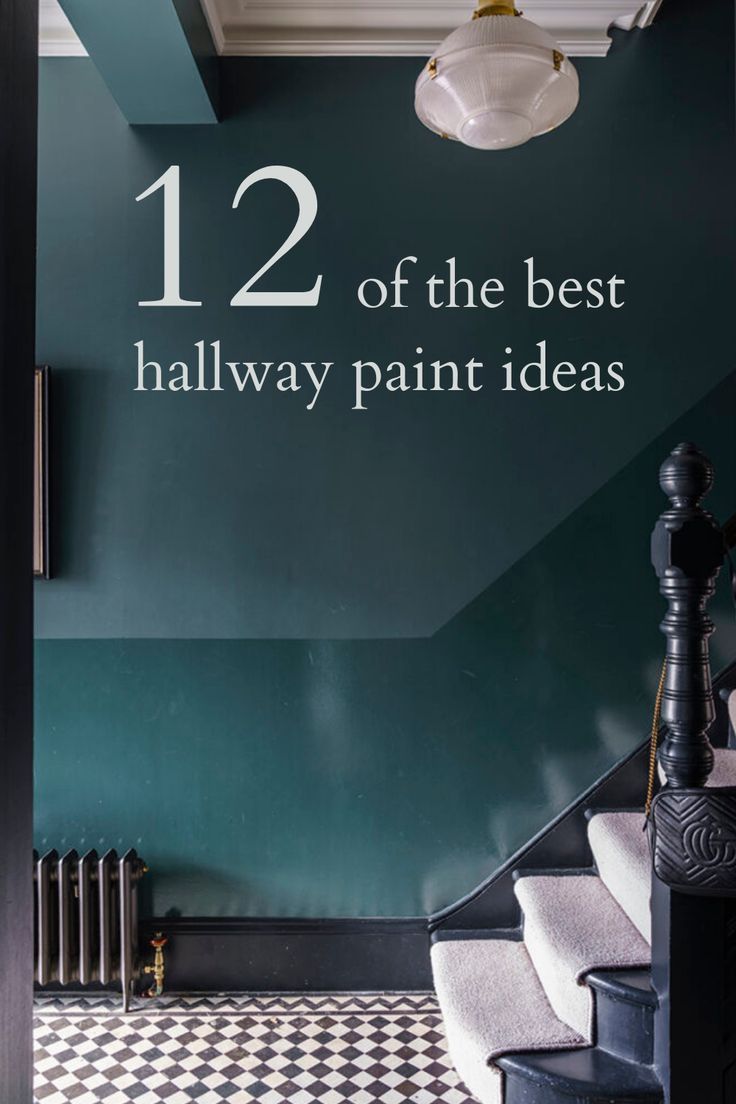
Choosing to paint a hallway a dark color can transform the entire personality of your home, turning a simple passage into a dramatic and sophisticated design feature. Many people assume that hallways should be light and neutral, yet a deep, moody shade can create intimacy, highlight architectural details, and make a powerful first impression the moment someone walks through your front door.
This approach works particularly well in homes where you want to establish a specific atmosphere without committing to painting every single room in a bold hue. A hallway acts as the perfect testing ground, offering a high-impact backdrop that guides the eye and sets the tone for the rooms it connects. When executed with care, a dark color on the walls of your corridor can feel cocooning, luxurious, and surprisingly welcoming rather than gloomy or oppressive.
Planning Your Color Strategy
Before you start rolling out paint, it is crucial to consider how a dark color will interact with the natural light in your space. Hallways often have limited windows, which means you need to think carefully about undertones and sheen to avoid creating a cave-like effect. Choosing the right shade and finish can mean the difference between a corridor that feels closed in and one that feels rich and intentional.


Observe the lighting in your hallway at different times of the day, noting where sunlight enters and where shadows fall. This simple step will help you select a tone that complements the existing atmosphere rather than fighting against it. A warm deep brown might read cozy in a sunlit entry, while a cool charcoal could work beautifully near a window that captures the sky.
Evaluating Existing Decor
Take stock of the permanent fixtures in your hallway, such as the flooring, banister, and any built-in cabinetry. If your floors are made of dark wood, painting the walls an even deeper tone can create a seamless, grounded look that feels anchored and stable. Conversely, if your floors are light oak or pale tile, a dark wall provides a striking contrast that draws attention and adds visual weight to the space.


Consider the hardware and lighting fixtures already in place, as these elements will influence how dramatic your hallway appears. Brushed nickel or matte black fixtures will enhance a moody gray or navy, while brass or bronze handles can introduce a touch of warmth against a deep, inky blue. The goal is to ensure that the color you select harmonizes with the existing palette rather than clashing with it.
Selecting the Perfect Shade
When narrowing down options for a hallway, think about the emotional response you want to evoke. Navy can feel nautical and classic, forest green evokes nature and calm, and deep charcoal offers a modern, architectural edge. Look for paint chips in the store and imagine how they will look when applied to a large vertical surface, as small sample cards often appear lighter than they will on the wall.
Do not be afraid to test your top contenders by painting large swaths directly onto the walls and observing them at different times of day. Move around the hallway, stand at the end where you exit, and view them from the doorway to gauge depth and variation. This hands-on testing phase is invaluable for confirming that your chosen dark color works in the specific context of your space.


Execution and Technique
Applying paint to a hallway requires a slightly different mindset than tackling an open living room, primarily because of the narrow geometry. You will want to create a sense of openness while embracing the drama of the dark hue, which means being strategic about how you cut in and roll the surface. Proper preparation and technique will prevent the space from feeling boxy or closed in.
Start by clearing the corridor of furniture and laying down protective drop cloths to cover the floor and any fixtures. Clean the walls to remove dust and grease, then patch any holes or cracks with spackle. Taking the time to prepare the surface ensures that your dark paint goes on smoothly and looks professional, without streaks or uneven patches that can distract from the overall effect.
Maximizing Natural and Artificial Light
Lighting becomes even more critical when working with a dark color, as it defines the dimension and depth of the walls. Incorporate layered lighting solutions, such as wall sconces, a sleek ceiling fixture, and perhaps a small lamp, to eliminate harsh shadows and keep the space feeling airy. Well-placed light sources highlight texture and prevent the hallway from looking like a flat, dark tunnel.



Consider the color temperature of your bulbs, with warm white light often working best to enhance cozy, earthy tones, while cooler tones can complement gray and blue shades. Using a higher quality LED with a high color rendering index (CRI) will ensure that your paint color looks true and vibrant rather than dull or muddy under artificial light.
Enhancing Architectural Features
Dark paint provides an excellent opportunity to emphasize the architectural bones of your hallway. By painting the ceiling a lighter version of the wall color or a crisp white, you create a visual anchor that stops the eye from dropping too low. This subtle contrast draws attention upward, making the corridor feel taller and more expansive than it actually is.
Trim work, such as baseboards, door frames, and crown molding, can be left natural or painted in a complementary tone to add sophistication. A glossy or semi-gloss finish on trim reflects light beautifully and creates a refined contrast against the matte or eggshell sheen of the main wall color. These small details elevate the overall look, transforming a simple passageway into a curated design statement.
As you move forward with your project, remember that the journey of painting a hallway a dark color is about balancing drama with livability. Experiment with samples, trust your instincts regarding light and mood, and focus on the details that make the space feel uniquely yours. This is your chance to make a lasting impression every time someone passes through, proving that a corridor can be as expressive and refined as any main living area.
Related Articles
20+ Dark Hallway Painting Ideas to Transform Your Hallway in 2024
Dark hallway painting ideas can transform a simple passage into a dramatic, sophisticated feature in your home. A hallway is often seen as a transitional...

Stunning Painting Stairs Landing Before After Ideas Transform Your Hallway
Transforming your stairs and landing is one of the most impactful updates you can make to your home, instantly boosting both style and safety. Before you grab...

Stunning Interior Paint Ideas for Bedrooms: Transform Your Space with Color
Choosing the right interior paint ideas for bedrooms can completely transform the way a space feels, turning a simple room into a personal sanctuary. The...
20+ Dark Hallway Colors Ideas to Transform Your Space in 2024
Choosing the right dark hallway colors can dramatically transform the way a home feels from the moment someone steps inside. A hallway is often the first real...
Transform Your Hallway with the Best Dark Paint Colors for Dramatic Style
Choosing the right paint for a dark hallway can transform a forgotten corridor into a dramatic and inviting passage in your home. Many homeowners overlook...

Transform Your Steep Garden: Easy DIY Solutions and Landscaping Ideas
Managing a very steep garden can feel overwhelming at first, yet it also presents a rare chance to transform a difficult slope into a stunning and practical...