20+ Dark Hallway Colors Ideas to Transform Your Space in 2024
Choosing the right dark hallway colors can dramatically transform the way a home feels from the moment someone steps inside. A hallway is often the first real glimpse people have of your interior style, setting the tone for the rooms that follow. When you select deep, moody tones for this transitional space, you create an immediate sense of drama, intimacy, and sophistication. This guide explores how to harness the power of dark tones to enhance architecture, manipulate light, and craft a lasting impression.
Dark tones in a corridor do more than just look stylish; they redefine the spatial experience by acting as a visual anchor. These colors absorb light, which minimizes glare and creates a focused frame for artwork, lighting fixtures, and architectural details. The psychological effect is powerful, turning a simple passage into a curated journey that feels intentional, grounded, and refined. Understanding this impact is the first step toward using shade to your advantage.
Selecting the Perfect Depth
Not all dark hues are created equal, and the specific shade you choose determines the personality of the hallway. Deep charcoal brings a modern, almost theatrical edge, while rich espresso offers a warm, enveloping comfort. Navy blue introduces a touch of classic elegance, and dark greys provide a versatile, neutral backdrop that pairs beautifully with metallic fixtures.


Considering Undertones
Undertones are the secret language of color, and they play a critical role how a shade behaves in your specific lighting. A dark brown with red undertones will feel warm and inviting, whereas the same depth with blue undertones will appear cool and serene. It is essential to test your chosen paint samples on the actual wall at different times of the day to see how natural and artificial light shifts the color.
Lighting Interaction
Lighting is the primary factor that will make or break your dark hallway colors. Because these shades absorb light, strategic illumination is necessary to prevent the space from feeling cave-like. Layering light sources—such as sleek sconces, a statement pendant, and discreet cove lighting—ensures that the depth reveals its complexity rather than disappearing into flatness.


Warm white bulbs generally work best for dark interiors because they counteract the potential coldness of the shade and highlight textures. You want the walls to appear rich and dimensional, not muddy or dull, so the right temperature and placement of light fixtures are just as important as the paint choice itself.
Elevating the Atmosphere
Once you have mastered the fundamentals of shade and light, you can focus on refining the aesthetic with finishes and materials. The goal is to create a cohesive look that feels polished rather than heavy. Matte or eggshell finishes are often preferred for walls because they hide imperfections and contribute to the velvety depth of the color.
Contrast and Texture
Dark hallway colors provide the perfect backdrop for introducing contrast through lighter elements. Think of a crisp white gallery wall, a glossy white chair rail, or light-colored flooring that breaks up the mass of pigment. Incorporating different textures—such as a plush rug, woven baskets, or a mirror with a dark frame—adds visual interest without diluting the strong wall color.


Architectural Accents
Highlighting the architecture is a powerful way to make a dark hallway feel expansive rather than closed in. Painting the ceiling a slightly lighter version of the wall color can create the illusion of height, while a crisp white or metallic trim draws the eye upward. Crown molding, baseboards, and door frames become design features when they stand in contrast to the deep walls.
For those who prefer a more minimalist approach, keeping the trim the same color as the walls creates a seamless, monochromatic look that elongates the space. This technique, often referred to as "monochromatic layering," relies on subtle shifts in texture to add dimension rather than relying on stark lines.
Practical Considerations and Mood
It is easy to get swept up in the aesthetic appeal of dark hallway colors, but practical factors must also guide your decision. These shades can show dust and scuff marks more readily than lighter colors, so durability is a key concern. Opt for a high-quality paint with a durable finish that can handle regular cleaning without compromising the richness of the color.


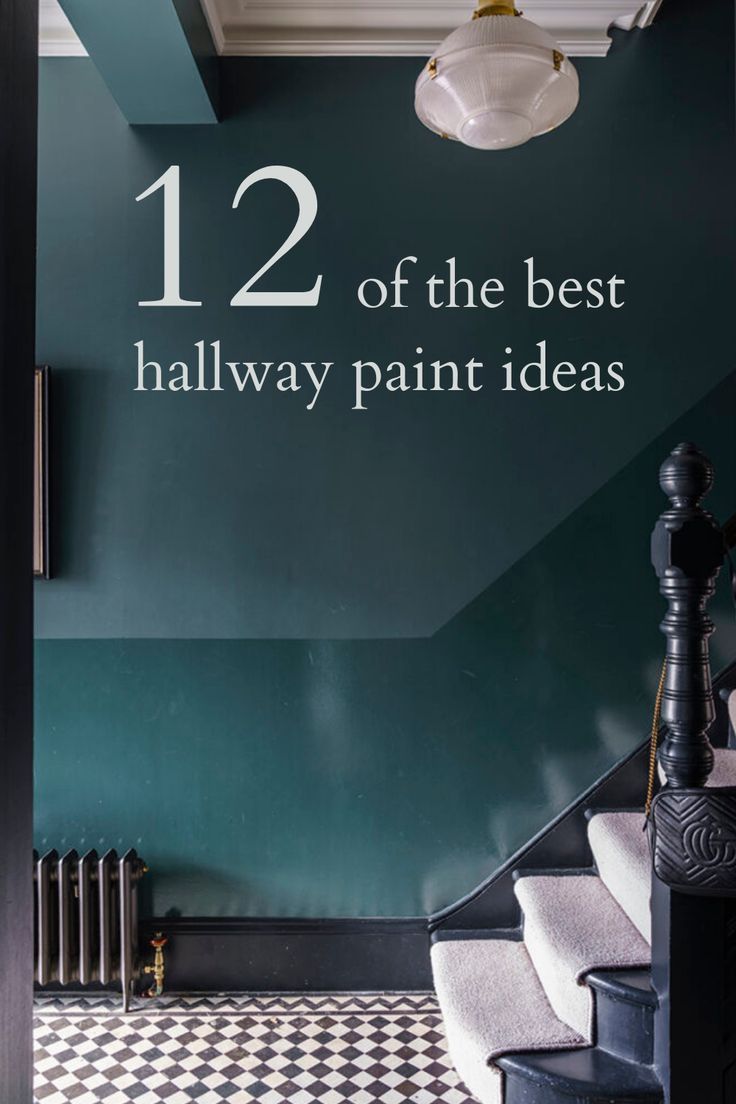


The mood you wish to evoke will ultimately guide your selection. If you desire a tranquil retreat, consider cool dark greys or muted blues that promote calmness. If you want to inject energy and personality, a bold dark green or dramatic black can turn the hallway into a focal point of the entire home.
Testing is the single most reliable way to avoid regret, as a color that looks bold on a small swatch can appear entirely different when covering an entire wall. View the samples in the exact location and observe how they interact with your existing furniture, flooring, and decor. This step ensures that the dark hallway colors you choose integrate seamlessly with your overall vision.
By treating this often-overlooked space with the same care as the main living areas, you turn a simple walkthrough into a memorable experience. Thoughtfully selected dark tones provide depth, character, and a sense of luxury that lingers long after the door closes.
Related Articles
20+ Dark Hallway Painting Ideas to Transform Your Hallway in 2024
Dark hallway painting ideas can transform a simple passage into a dramatic, sophisticated feature in your home. A hallway is often seen as a transitional...

20+ Dark Narrow Hallway Lighting Ideas to Illuminate Your Space
Creating the perfect atmosphere in a tight vertical corridor starts with understanding dark narrow hallway lighting ideas, because this often-overlooked zone...
Transform Your Hallway with the Best Dark Paint Colors for Dramatic Style
Choosing the right paint for a dark hallway can transform a forgotten corridor into a dramatic and inviting passage in your home. Many homeowners overlook...

Stunning Painting Stairs Landing Before After Ideas Transform Your Hallway
Transforming your stairs and landing is one of the most impactful updates you can make to your home, instantly boosting both style and safety. Before you grab...

Easy DIY Patio Ideas on a Budget: Transform Your Outdoor Space for Less
Creating an inviting outdoor space does not have to drain your savings, and easy diy patio ideas on a budget prove that beautifully. With a little planning and...

Great Home Ideas Garden: 10 Stunning Design Tips To Transform Your Outdoor Space
Transforming your outdoor area into a personal sanctuary starts with great home ideas garden inspiration that reflects your unique style and lifestyle. A well...