Ethos Pathos Logos Paragraph Examples Mastering Persuasive Techniques
Understanding ethos pathos logos paragraph examples helps writers craft messages that feel both credible and emotionally compelling. These three classical appeals form the backbone of persuasive communication, giving your work structure and depth.
When you study a well built ethos pathos logos paragraph examples, you see how logic, character, and emotion work together to guide an audience toward a clear conclusion. This balance turns simple statements into influential arguments that resonate on multiple levels.
Defining the Three Appeals in Practice
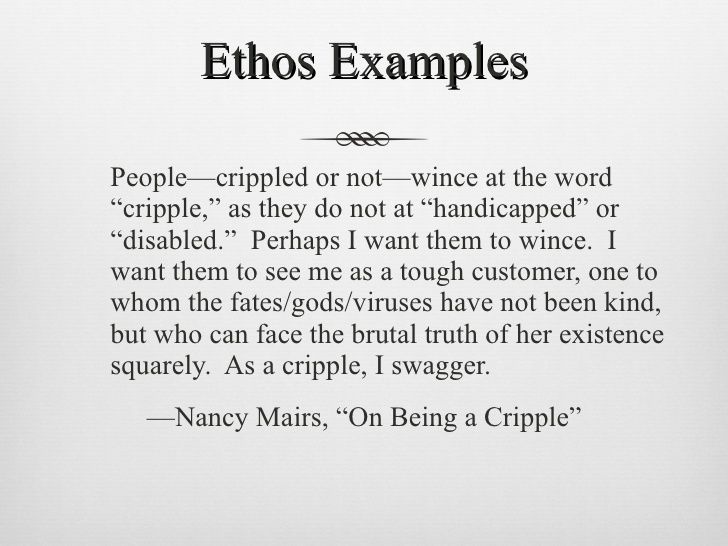
In real writing, ethos establishes your authority and trustworthiness, making readers more willing to engage with your ideas. A strong ethos might highlight your experience, fair mindedness, or transparent intentions before you even present detailed evidence.


Pathos connects with values, hopes, and fears, using vivid language and relatable scenarios to stir an emotional response. Logos then grounds the message in data, logic, and clear reasoning, ensuring that the argument feels substantial and well supported rather than merely dramatic.
Ethos in Action
Imagine a public health official explaining vaccination guidelines, emphasizing years of training and consistent adherence to scientific standards. By outlining potential risks and benefits with calm honesty, the speaker builds a foundation of trust that encourages careful listening.


You can reinforce ethos in written work by citing reputable sources, acknowledging limitations, and using precise language that reflects competence. Readers subconsciously register this reliability, which makes them more open to the points that follow.
Pathos and Logos Combined
Consider a nonprofit fundraising email that shares a specific story of hardship, using descriptive phrases to highlight urgency and compassion. This emotional pathos draws readers in, making the cause feel immediate and personal rather than abstract.
The same paragraph then presents statistics and logical reasons to donate, demonstrating efficient use of funds and clear outcomes. Together, pathos and logos create a narrative that feels both human and rational, increasing the likelihood of a supportive response.


Applying the Appeals in Different Contexts
In professional settings, ethos pathos logos paragraph examples appear in proposals, reports, and presentations where credibility must be established quickly. A well structured introduction might first introduce the team’s qualifications, then outline the problem, and finally deliver data driven solutions.
Marketing materials often follow a similar progression, using brand reputation to open, storytelling to engage, and concrete benefits to close. Recognizing this pattern helps you analyze why certain messages feel more persuasive than others.
Subtler Uses in Everyday Communication
In casual conversations, people rely on ethos through tone and shared values, signaling respect and openness before diving into a disagreement. A thoughtful pause, a balanced analogy, or a fair minded concession can function like a mini ethos boost in real time.



Pathos shows up in the stories someone chooses to tell, the words they emphasize, and the facial expressions they use. Logos appears when they offer reasons, compare options, or anticipate questions, making the discussion feel coherent and grounded.
Logos in Digital Content
Online articles and social posts frequently lean on logos by organizing information with bullet points, clear headlines, and step by step explanations. This structure helps readers scan and understand complex ideas without feeling overwhelmed.
When these logical elements are paired with a strong ethos signal, such as an author bio or transparent methodology, the content gains authority. Pathos then softens the presentation, using relatable examples and inclusive language so that facts do not feel cold or distant.
Crafting Your Own Ethos Pathos Logos Paragraphs
Start by defining your core message, then decide which appeal should open the paragraph to capture attention. A confident ethos opener can frame you as a knowledgeable guide, while a vivid pathos opener immediately tugs at your audience’s heart.
Whatever approach you choose, maintain consistency so that ethos, pathos, and logos support one another rather than competing for focus. Smooth transitions and clear connections between ideas help readers follow your reasoning without confusion.
Testing for Balance
Review your draft by asking whether each section contributes to credibility, emotion, or logic. If a paragraph feels flat, you might add a brief anecdote for pathos or a relevant statistic for logos. If trust is weak, emphasize your experience or sources to strengthen ethos.
Reading the work aloud can reveal where your rhythm stalls or where certain appeals overshadow others. Adjusting sentence length, tone, and evidence ensures that the final version feels natural and persuasive.
From Theory to Real World Impact
As you practice with ethos pathos logos paragraph examples, you will notice patterns that recur across genres, from academic essays to heartfelt speeches. These patterns are not rigid formulas but flexible tools you can adapt to your audience and goals.
Over time, weaving these three appeals into your writing becomes intuitive, allowing you to communicate with clarity, warmth, and conviction in a wide range of situations.
Exploring more ethos pathos logos paragraph examples and testing them in your own projects will deepen your command of persuasive writing. Observe how skilled communicators blend credibility, feeling, and reason, and use those insights to refine your voice with confidence and authenticity.
Related Articles
Ethos Pathos Logos Examples PDF Download Persuasive Techniques Guide
Understanding ethos pathos logos examples pdf resources is essential for anyone looking to master the art of persuasive communication, as these three classical...

Ethos Pathos Logos Examples: Powerful Persuasion Techniques
Understanding ethos pathos logos examples is essential for anyone who wants to communicate with clarity, confidence, and impact in both professional and...
Define Ethos Pathos Logos With Examples: Ultimate Persuasion Guide
Understanding how to define ethos pathos and logos with examples is essential for anyone who wants to communicate with clarity, impact, and credibility. These...
Ethos Pathos Logos Meaning In Writing Unlock Persuasive Power
Understanding ethos pathos logos meaning in writing is essential for anyone who wants to communicate with clarity, impact, and authority. These three classical...
Ethos Pathos Logos Definition: Master the Art of Persuasive Writing
Understanding ethos pathos logos definition in writing is essential for anyone who wants to communicate with clarity, confidence, and impact. These three...
Master Ethos Pathos Logos: Write Powerful Paragraphs Faster
Learning how to write a paragraph using ethos pathos and logos transforms simple sentences into powerful tools that persuade and connect with any audience...