Ethos Pathos Logos Definition Example Explained Simply
Understanding the ethos pathos logos definition example framework is essential for anyone seeking to build persuasive communication and credible arguments. These three classical appeals provide a timeless structure for analyzing how speakers and writers influence their audiences through different dimensions of reasoning and emotion. By exploring a clear ethos pathos logos definition example, you can immediately see how credibility, emotional resonance, and logical evidence work together to shape effective messages.
This rhetorical model, rooted in the work of Aristotle, remains deeply relevant in modern public speaking, marketing, journalism, and everyday conversation. A solid grasp of how ethos, pathos, and logos operate allows you to construct more compelling narratives and to critically evaluate the messages you encounter. The power of a well crafted ethos pathos logos definition example lies in its ability to turn abstract theory into practical, usable insight for real world scenarios.
Breaking Down the Three Appeals
At its core, the ethos pathos logos definition example separates persuasion into three distinct but interconnected strategies. Ethos centers on the character and credibility of the speaker, establishing trust and authority on the subject matter. Without sufficient ethos, even logically sound arguments may fail to convince a skeptical audience.


Pathos, in contrast, focuses on the emotional landscape of the audience, tapping into values, fears, hopes, and identities to create a powerful connection. Meanwhile, logos relies on data, evidence, structured reasoning, and clear logic to guide the audience through a rational progression of ideas. A masterful communicator knows when to lean heavily on one appeal while still supporting it with the others.
Ethos in Practice
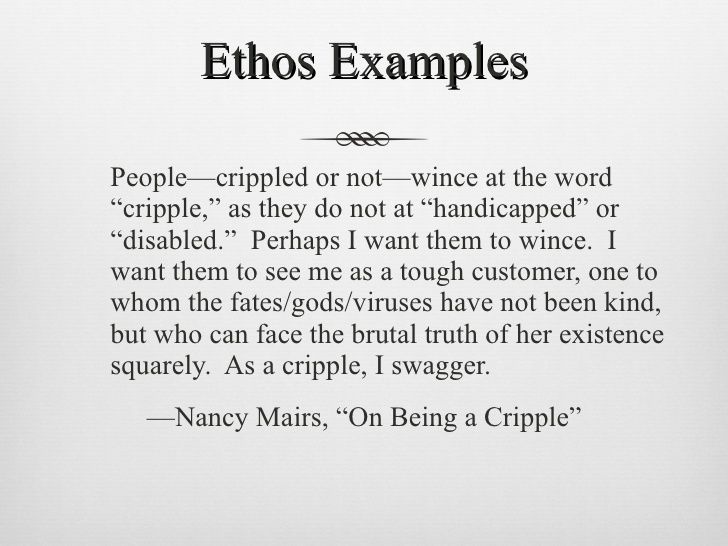
When you examine an ethos pathos logos definition example centered on ethos, you notice elements like professional credentials, transparent affiliations, and a history of reliable behavior. Speakers establish ethos by demonstrating expertise, acknowledging limitations, and aligning themselves with respected institutions or communities. For instance, a climate scientist presenting research earns instant ethos through academic background and institutional affiliation.


In a written example, ethos might be built through careful sourcing, balanced acknowledgment of counterarguments, and a tone that conveys sincerity and respect. These subtle choices accumulate over time, shaping how an audience perceives the reliability and goodwill of the communicator. The stronger the ethos, the less resistance an audience feels toward accepting the presented message.
Pathos in Action
A compelling ethos pathos logos definition example highlighting pathos would showcase vivid language, relatable stories, and carefully chosen imagery that evoke empathy or urgency. Marketers frequently use pathos when connecting a product to cherished memories, such as a holiday gathering or a personal milestone. Political speeches often lean on pathos by invoking shared dreams or perceived threats to galvanize support.
Effective pathos does not manipulate indiscriminately; it resonates with genuine human experiences and emotions that the audience already carries. When done ethically, it makes abstract issues feel personal and immediate, encouraging engagement and deeper investment in the speaker’s objectives. The risk arises when pathos overshadows factual accuracy, leading audiences toward decisions based purely on emotion.


Logical Structure and Evidence
Turning to the logos driven dimension, a robust ethos pathos logos definition example demonstrates how clear premises, sound reasoning, and verifiable evidence form the backbone of logical persuasion. Data, statistics, analogies, and step by step explanations serve as the scaffolding that holds an argument together. Without logos, even the most charismatic speaker may struggle to sustain credibility over complex topics.
In practice, logos appears in proposals, academic papers, and policy briefs where the goal is to guide the audience through a chain of reasoning. A strong logos based example will show how each claim is supported, how counterpoints are addressed, and how conclusions follow naturally from the evidence. When combined with ethos and pathos, logical structure becomes both trustworthy and memorable.
Sub-topic C
Exploring sub-topic C within this framework reveals how logos can be integrated with storytelling to make dense information more accessible. For example, a public health campaign might pair a clear statistics driven explanation with personal testimonies to balance emotional impact and factual precision. This layered approach ensures that the audience processes information on both an intellectual and sensory level.




Additionally, visual aids such as charts, timelines, and diagrams can reinforce the logos component of an ethos pathos logos definition example, transforming abstract numbers into intuitive patterns. When the logical structure is clearly presented, audiences are better equipped to see cause and effect, compare alternatives, and understand long term implications. Clarity and transparency in reasoning foster trust and reduce the chance of misinterpretation.
Sub-topic D
Sub-topic D highlights how speakers can weave ethos, pathos, and logos together in a single message, creating a synergy that amplifies overall persuasive power. A skilled orator might open with an emotionally charged story to establish pathos, follow with carefully cited research to build logos, and throughout, maintain a calm, authoritative presence to reinforce ethos. The transitions between these elements must feel natural, not forced or mechanical.
Examining a comprehensive ethos pathos logos definition example from a real world speech or advertisement shows how these strategies coexist in dynamic ways. One might notice how a brand aligns its credible history (ethos), tells a heartfelt customer journey (pathos), and outlines product benefits through comparisons and specifications (logos). This integrated model ensures that persuasion is multifaceted and resilient against critical scrutiny.
When you study an ethos pathos logos definition example across different contexts, you begin to recognize patterns in structure, tone, and evidence that distinguish compelling messages from forgettable ones. The true mastery lies not in rigidly categorizing each appeal but in fluidly shifting emphasis depending on audience, purpose, and constraints. Such awareness empowers you to refine your own communication and to engage more thoughtfully with the world around you.
As you continue to analyze speeches, advertisements, and everyday conversations through this lens, these classical tools will remain valuable for crafting messages that are not only effective but also ethically grounded and intellectually honest.
Related Articles
Ethos Pathos Logos Definition In Literature Explained Master The Art Of Persuasion
Understanding ethos pathos logos definition in literature reveals the timeless architecture of persuasive communication, where writers and speakers...
Define Ethos Pathos Logos Simply Powerful Persuasion Explained
When you break down the idea of define ethos pathos and logos in your own words, you are really asking how to show credibility, stir emotion, and use clear...
Ethos Pathos Logos Definition: Master the Art of Persuasive Writing
Understanding ethos pathos logos definition in writing is essential for anyone who wants to communicate with clarity, confidence, and impact. These three...
What Is Ethos Pathos And Logos Simple Definition Guide
When people try to persuade us, whether in a courtroom, a sales pitch, or a casual debate, they rely on hidden tools that shape how we think and feel...
Ethos Pathos Logos Definition Guide Pdf Download_SEO Tips
Understanding the ethos pathos logos definition pdf is essential for anyone looking to master the art of persuasive communication and rhetorical analysis. This...
Ethos Pathos Logos Definition Literature: Master the Art of Persuasion
Understanding ethos pathos logos definition literature is essential for anyone who wants to analyze how persuasive communication works in stories, essays, and...