20 Dark Narrow Hallway Paint Ideas to Transform Your Corridor
Transforming a dark narrow hallway can feel like an intimidating design challenge, but with the right paint ideas, this often-overlooked space can become a stunning architectural feature. Many homeowners overlook hallways, assuming they are merely transitional zones, yet these corridors set the tone for the entire home. A well-executed color strategy can manipulate light, perception, and mood in ways you might not expect. This guide explores creative and practical approaches to breathing new life into your confined spaces.
When dealing with long, skinny layouts, the goal is to either create a dramatic tunnel effect or visually widen the walls, depending on your desired atmosphere. The wrong shade can make a tight space feel claustrophobic, while the perfect hue can elongate and elevate the room. Understanding how light reacts with different finishes is the first step toward achieving a balanced look. These considerations are critical for anyone looking to maximize the potential of their interior architecture.
Embracing Depth with Dark Tones
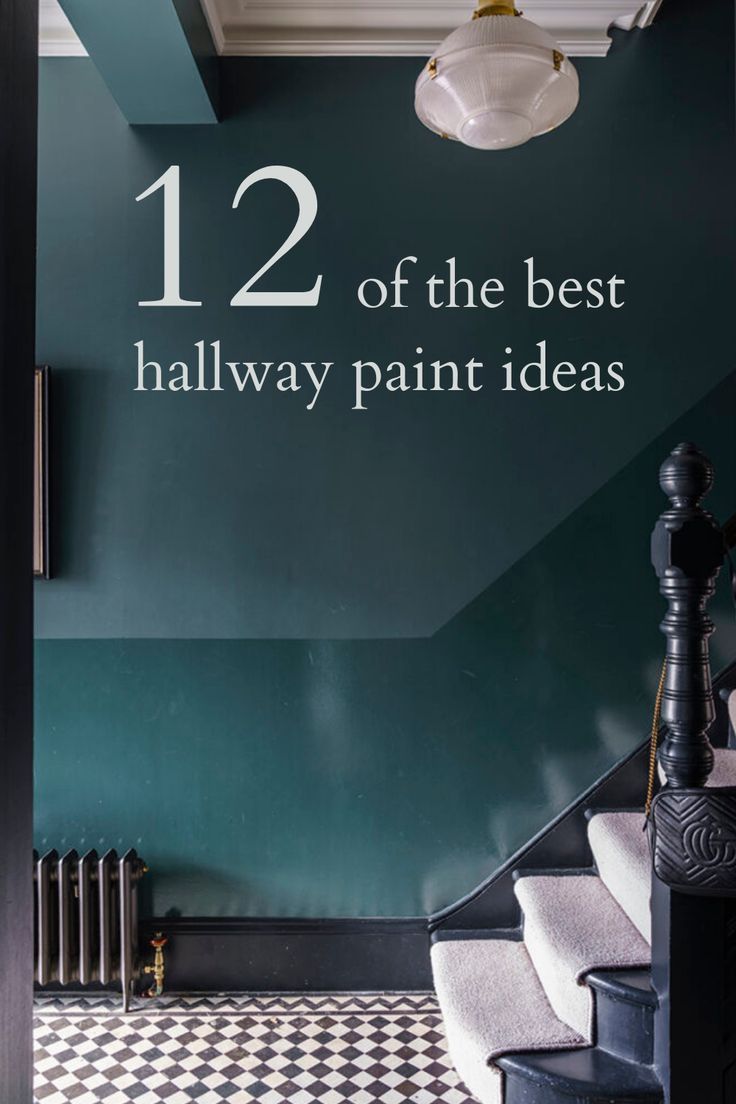
Using dark colors in a narrow hallway might seem counterintuitive, but deep tones can create a powerful sense of intimacy and drama. When you paint the walls a rich shade of navy, charcoal, or deep green, you absorb light rather than reflect it, which minimizes the feeling of a sterile corridor. This approach works exceptionally well in homes where you want to showcase artwork or statement lighting fixtures against a dramatic backdrop.


Furthermore, dark hues visually advance, making the walls feel closer without overwhelming the space if the ceiling remains light. This contrast creates dimension and guides the eye down the passage, turning a simple walk into a curated experience. The key is to balance the intensity with thoughtful lighting design to ensure the area remains welcoming rather than oppressive.
Sub-topic A: The Classic Charcoal
Charcoal gray is a timeless choice that bridges the gap between modern minimalism and traditional elegance. It pairs beautifully with brass or matte black hardware, creating a cohesive aesthetic that feels grounded and sophisticated. Unlike pure black, charcoal retains subtle dimensionality, ensuring the wall does not flatten out visually.


For high-traffic areas, opt for a durable matte or eggshell finish that hides scuffs while maintaining the rich depth of the color. You can enhance the look by painting the trim a crisp off-white or pale wood tone, which will make the hallway appear structured and meticulously designed.
Sub-topic B: Moody Navy Blues
Navy blue introduces a regal, maritime-inspired vibe that can transform a dull passageway into a sophisticated lounge. This color works exceptionally well in spaces with limited natural light, as it absorbs ambient light and creates a cozy, enveloping atmosphere. Consider pairing navy with metallic accents like gold or bronze to add a touch of luxury.
To prevent the space from feeling too heavy, incorporate reflective surfaces such as a mirror or glossy picture frame. The interplay between the dark wall and reflective elements will add visual interest and prevent the hallway from closing in.


Strategic Use of Light and Neutral Colors
If your goal is to make a narrow hallway feel larger and more open, light and neutral paint colors are your most effective tools. Whites, creams, and soft beiges reflect light, creating an airy environment that dissolves the boundaries of the corridor. This technique is particularly useful in entryways where you want to create a warm first impression without sacrificing the sense of space.
However, not all light colors are equal; undertones matter significantly. A yellow-based cream might introduce warmth, while a blue-based white can create a crisp, clinical feel. Testing samples at different times of day is essential to see how the natural light shifts the color throughout the day.
Sub-topic C: The Power of Crisp White
A crisp white hallway is a classic solution for maximizing light and creating a clean canvas. To avoid a sterile look, choose a white with a warm undertone, such as vanilla or bone, rather than a stark, hospital-grade brightness. This subtle warmth adds character while maintaining the expansive feel of the space.


Enhance the look by using varying textures on the wall, such as a smooth finish on the main wall and a subtle linen texture on the accent wall. This adds depth without darkening the space, ensuring the hallway feels bright yet interesting.
Sub-topic D: Soft and Substantial Neutrals
Neutrals like greys, taupes, and warm beiges offer the benefits of light colors with more personality. These hues soften the architecture of the hallway, making it feel inviting rather than clinical. They also provide the perfect backdrop for bold artwork or a vibrant rug at the end of the hall.
When selecting a neutral, consider the flooring and adjacent rooms to ensure continuity. A greige (a mix of grey and beige) is an excellent choice because it complements both warm wood tones and cool metal fixtures, acting as a versatile bridge throughout the home.
Playing with Patterns and Gloss Finishes
Beyond solid colors, the strategic use of patterns and sheen can drastically alter the perception of a narrow space. While it is tempting to stick with flat, matte paints to make a room recede, incorporating subtle texture or a well-placed accent wall can add dimension without sacrificing openness.
The finish you choose is just as important as the color itself. A high-gloss finish can make a dark hallway feel modern and sleek by reflecting light, while a matte finish absorbs light for a more intimate vibe. Understanding the relationship between finish and function is key to a successful update.
Sub-topic E: The Accent Wall Effect
If painting all four walls feels too drastic, consider creating a feature wall at the end of the hallway. Using a dark, saturated color or a bold pattern on the far wall creates a focal point that tricks the eye into thinking the space is deeper than it actually is. This technique adds depth without closing in the room.
Ensure that the adjacent walls are a few shades lighter than the accent wall to maintain balance. This gradient effect visually pushes the dark wall back, enhancing the sense of depth rather than reducing the apparent width of the hall.
Sub-topic F: Utilizing Sheen to Manipulate Light
In a low-light hallway, a semi-gloss or high-gloss finish can be a game-changer. These finishes reflect light, making the corridor feel brighter and more welcoming. They are also highly washable, making them ideal for high-traffic areas where scuffs and smudges are inevitable.
Conversely, in a dark hallway with intense lighting, a matte finish can help diffuse the light and create a softer, more sophisticated atmosphere. The key is to match the sheen to the room's lighting conditions and desired ambiance, ensuring the paint works as hard as possible for the space.
Ultimately, the best dark narrow hallway paint ideas are the ones that align with your personal lifestyle and aesthetic preferences. Whether you choose to amplify the drama with deep tones or gently expand the space with light neutrals, the transformation lies in the execution. Take your time sampling colors, observing them in your specific lighting, and trusting your instincts. Your hallway is more than just a passage; it is a statement of your taste and an opportunity to set the mood for every day.
Related Articles
Narrow Dark Hallway Paint Ideas 20 Stunning Designs To Transform Your Corridor
Transforming a narrow dark hallway can feel like an intimidating design challenge, yet it offers a unique chance to create drama and personality in your home...
Long Narrow Hallway Paint Ideas 10 Modern Designs To Transform Your Corridor
Transforming a long narrow hallway paint ideas strategy can completely redefine how you experience your home. This type of corridor often feels like a...
20 Modern Hallway Panelling Paint Colour Ideas To Transform Your Corridor
Selecting the right hallway panelling paint colour ideas can completely redefine the flow and personality of your home the moment someone steps inside. This...

Long Hallway Paint Ideas 20 Stunning Designs To Transform Your Corridor
Transforming a long hallway feels like discovering a blank canvas waiting for your personal signature, and long hallway paint ideas are the perfect tool to...
What Colour to Paint a Dark Narrow Hallway Ideas and Tips
Choosing the right paint colour for a dark narrow hallway can transform a gloomy passage into a stylish and welcoming feature. Many homeowners feel overwhelmed...
20+ Dark Hallway Colors Ideas to Transform Your Space in 2024
Choosing the right dark hallway colors can dramatically transform the way a home feels from the moment someone steps inside. A hallway is often the first real...