Best Small Hallway Paint Ideas 2024: Transform Your Hallway
Choosing the best small hallway paint ideas can transform a tight and often overlooked space into a welcoming visual anchor for your entire home. The hallways acts as the transition zone between your main living areas, setting the tone for the rooms you are about to enter or leave. Because these passages are usually narrow and receive less direct light, the color you select has a powerful impact on how open, bright, or cozy the corridor feels. Instead of treating this zone as an afterthought, view it as a creative opportunity to experiment with drama, depth, and personality in a compact footprint.
Many homeowners underestimate how much a thoughtful palette can solve real design challenges in confined spaces. A smart choice can visually expand a cramped layout, hide scuffs from daily life, or guide the eye toward cherished artwork and architectural details. Whether your hallway is a long minimalist passage or a compact spiral staircase landing, the paint you choose works quietly behind the scenes to define the mood. The following best small hallway paint ideas focus on maximizing light, enhancing flow, and adding interest without overwhelming the senses.
Embracing Light and Airy Tones
Light and airy tones consistently rank among the best small hallway paint ideas because they reflect natural and artificial light, making tight quarters feel larger. Soft whites, off-whites, and pale neutrals create a subtle backdrop that prevents the walls from closing in. When the ceiling, trim, and walls share similar light values, the eye moves smoothly along the corridor, enhancing the sense of continuity.


Beyond plain white, consider greys with cool undertones or muted beiges that add a hint of warmth without introducing visual weight. These gentle hues act as a canvas, allowing your doors, fixtures, and any artwork on the walls to stand out. Because hallways are high-traffic areas, selecting a durable yet light-reflective finish ensures the space stays bright even as the finish ages.
Soft White Classics
Soft white remains a classic for compact corridors because it offers a clean, timeless look that coordinates with virtually any design scheme. Unlike pure stark white, a soft white gently warms the space, reducing the clinical feel that sometimes accompanies heavy use of white paint. This undertone works especially well in homes with warm wood flooring or vintage fixtures, tying different elements together.


When applying soft white, choose a satin or eggshell finish that can be wiped down easily but still conceals minor wall imperfections. Because this color is versatile and forgiving, it allows you to experiment with colorful accents in adjacent rooms without creating visual dissonance in the hallway itself.
Crisp Greys and Off-Whites
Crisp greys and off-whites introduce a modern edge while still preserving the light-enhancing properties that make them ideal for narrow spaces. A greys with blue or green undertones can give the hallway a calm, contemporary vibe, while warmer greys lean toward an inviting, neutral tone that complements both traditional and minimalist interiors.
Off-whites with subtle earthy or yellow undertones can brighten spaces that lack direct sunlight, creating a cozy yet open atmosphere. Remember to test your chosen shade at different times of day, as lighting conditions in corridors can dramatically shift how the color appears on the walls.


Adding Depth with Darker and Richer Shades
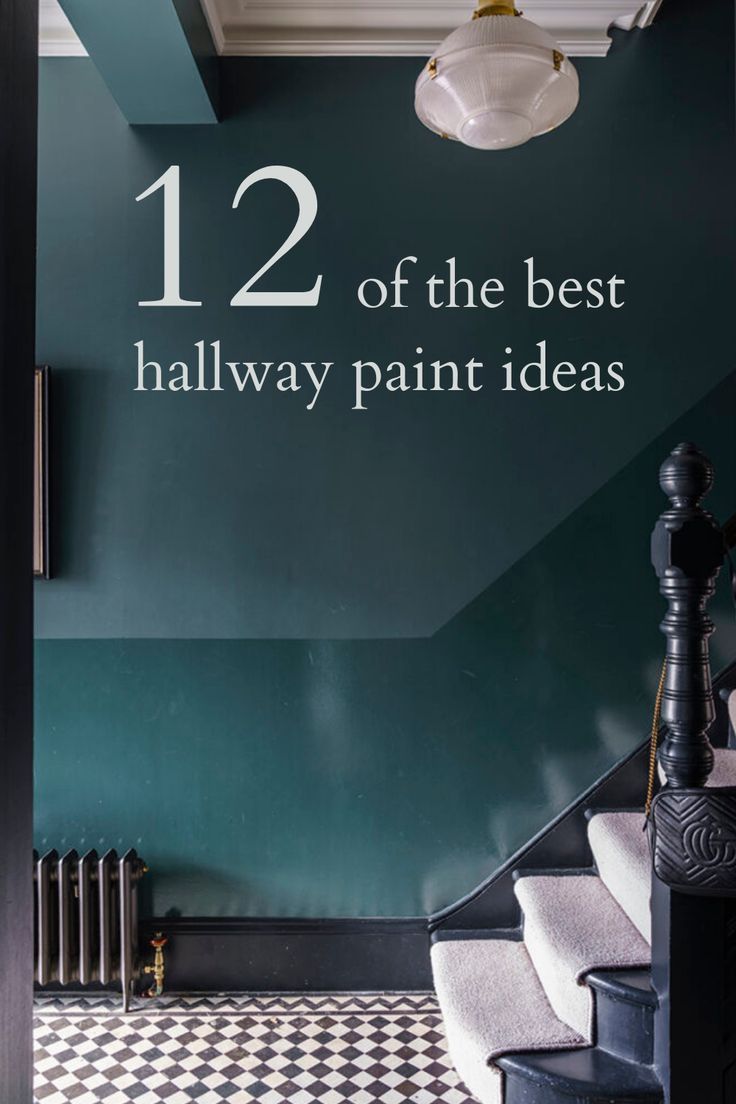
While light palettes dominate hallway strategies, incorporating darker or richer shades is one of the best small hallway paint ideas for those seeking drama and intimacy. Deep blues, charcoal greys, or dark greens can wrap the corridor in a cocoon of color, making it feel more intentional and luxurious. When executed thoughtfully, these hues draw the eye and create a sophisticated transition between rooms.
Dark hallways work exceptionally well in homes with strong natural light or statement lighting fixtures that can highlight the architectural details. The key is to maintain a clear vision of how the color interacts with trim, doors, and flooring to ensure the space remains balanced rather than cave-like.
Navy and Midnight Blues
Navy and midnight blues bring a regal touch to compact corridors, especially when paired with crisp white or gold trim. These deep tones absorb light in a way that feels grounding, turning a simple pass-through into a memorable experience. They work beautifully in homes with classic architecture, such as crown moldings, paneled doors, or detailed baseboards.


To prevent the corridor from feeling too heavy, consider painting only one wall in a rich blue while keeping the others light. This accent wall approach adds depth without overwhelming the space, creating visual interest that invites you to pause and appreciate the journey through your home.
Earthy Dark Greens and Charcoals
Earthy dark greens and charcoals offer a grounded alternative to traditional neutrals, bringing a touch of nature or industrial chic into the hallway. Forest greens pair well with natural materials like wood and stone, while charcoals complement metal fixtures and minimalist decor. Both options can make a small space feel more intentional and curated.
When using these richer tones, ensure adequate lighting along the corridor to maintain visibility and a sense of openness. Wall sconces, pendant lights, or strategically placed lamps can highlight texture and sheen while keeping the hallway functional and safe at night.
Creative Patterns and Statement Features
For those seeking the best small hallway paint ideas with a bold twist, integrating patterns and statement features can turn an ordinary passage into a dynamic design element. From subtle stripes to a single vibrant wall, these techniques add personality without requiring a full renovation. The goal is to enhance the space rather than compete with it.
Patterns in hallways need careful consideration regarding scale and repetition. Too large a motif on a narrow wall can feel chaotic, while overly intricate details may clash with the flow of movement. Choosing designs that align with the overall style of your home ensures the hallway feels like a deliberate part of the interior story.
Stripes and Geometric Accents
Stripes are a classic way to add dimension to a small hallway, especially when using variations in tone rather than harsh contrasting colors. Vertical stripes can gently draw the eye upward, creating the illusion of higher ceilings, while subtle geometric patterns add modern flair without overwhelming the senses.
When implementing stripes, consider using painter’s tape for precision and testing the layout on paper first. This allows you to adjust spacing and thickness so that the pattern enhances the architecture of the hallway rather than disrupting it.
Feature Walls and Artistic Focal Points
A feature wall in the hallway, perhaps painted in a bold accent color or a sophisticated mural, provides a focal point that makes the space feel curated rather than purely functional. This approach works well when the hallway is long and you want to break up the monotony of walking from one room to another.
Artistic focal points can also include textured finishes, such as sponged effects or metallic accents, that catch light as you move through the space. These details add depth and intrigue, making each pass through the hallway feel a little more special.
Practical Considerations and Finish Choices
Beyond aesthetics, selecting the best small hallway paint ideas involves evaluating practical factors such as traffic, lighting, and maintenance. Hallways endure daily wear from shoes, bags, and occasional scuffs, so choosing the right finish is essential for keeping the space looking fresh.
Understanding sheen levels and how they interact with light can help you achieve the desired balance between durability and visual appeal. A thoughtful finish not only protects the walls but also influences how colors appear and how cleanable the surface remains over time.
Selecting the Right Sheen
For high-traffic hallways, a semi-gloss or satin finish is often the most practical choice because it resists stains and can be wiped down without damaging the paint. These sheens provide a subtle sheen that enhances color depth while maintaining enough texture to hide minor imperfections.
If your hallway is low-traffic and more about design statement, a matte finish may be suitable for its velvety, soft appearance. Just keep in mind that matte finishes can be more challenging to clean, so consider the everyday realities of your household when making this decision.
Lighting and Color Interaction
Lighting plays a crucial role in how paint behaves in a narrow corridor. Natural light from nearby windows, combined with artificial fixtures, determines whether colors appear warm, cool, or flat. Observe how light moves through the hallway at different times to understand which tones will work best.
Test swatches on multiple walls and observe them in various lighting conditions before committing to a full paint job. This simple step can prevent costly mistakes and ensure that the chosen palette enhances the hallway’s atmosphere rather than diminishing it.
Harmonizing with the Rest of Your Home
Even the most creative hallway should feel connected to the overall design language of your home. The best small hallway paint ideas often echo colors found in nearby rooms, creating a sense of continuity that guides you naturally from space to space.
Consider pulling a secondary color from a nearby living room, drawing a neutral from your kitchen, or subtly referencing an accent shade from your bedroom. This approach ensures the hallway does not feel like an isolated zone but rather a thoughtful extension of your interior design.
When in doubt, start with a versatile neutral and introduce personality through accessories, artwork, or a single bold wall. This strategy keeps the hallway flexible, allowing you to refresh the look over time without committing to an overwhelming color decision.
Exploring the best small hallway paint ideas opens up endless possibilities for making this often-underappreciated space work harder and look better. From light-reflecting neutrals to dramatic accents and intentional patterns, the right combination can turn a simple corridor into a defining feature of your home. Take the time to test, observe, and refine your approach so that your hallway not only looks stunning but also supports the flow and personality of your everyday life.
Related Articles

20+ Dark Hallway Colors Ideas to Transform Your Space in 2024
Choosing the right dark hallway colors can dramatically transform the way a home feels from the moment someone steps inside. A hallway is often the first real...
Transform Your Hallway with the Best Dark Paint Colors for Dramatic Style
Choosing the right paint for a dark hallway can transform a forgotten corridor into a dramatic and inviting passage in your home. Many homeowners overlook...

Stunning Painting Stairs Landing Before After Ideas Transform Your Hallway
Transforming your stairs and landing is one of the most impactful updates you can make to your home, instantly boosting both style and safety. Before you grab...
Long Hallway Paint Color Ideas 50+ Modern Designs To Inspire Your Home
Long hallways present a unique decorating challenge that many homeowners face at some point. When a narrow passage stretches on, the walls can feel like a...

10 Stunning Small Garden Wall Ideas on a Budget Transform Your Space
Creating a beautiful small garden wall idea on a budget is one of the smartest ways to add instant character and value to your outdoor space. Many people...

Transform Your Small Space with Stunning Alleyway Garden Design Ideas
An alleyway garden design transforms forgotten urban gaps into inviting sanctuaries that bring nature right to your doorstep. These narrow spaces, often...