Woodland Activities Today: Top Outdoor Adventures Near You
Woodland activities today offer a powerful way to reconnect with nature while staying active and mindful. Stepping beneath a canopy of living branches instantly lowers stress, sharpens focus, and invites a sense of quiet adventure. Whether you visit a local park or a remote forest reserve, each visit brings new seasonal details and subtle changes in light and sound. Embracing these outings supports both physical fitness and mental clarity, making every walk among the trees feel like a small reset for modern life.
Today, more people are discovering that woodlands are not just scenic backdrops but dynamic spaces for exploration and learning. From quiet solo strolls to group hikes with friends, the range of woodland activities today is broad and accessible. Many routes are carefully maintained, with clear signage and family-friendly paths that make forests welcoming for all ages and fitness levels. Planning your visit around trail conditions, weather, and local guidelines ensures a safe, enjoyable experience for everyone.
Hiking and Trail Exploration
Hiking remains one of the most popular woodland activities today because it combines gentle exercise with sensory immersion. Choosing trails that match your fitness and experience level helps you stay comfortable while still enjoying challenging roots, gentle climbs, and rewarding viewpoints. Paying attention to trail markers, weather updates, and estimated duration reduces surprises and keeps your journey predictable and pleasant. Every step can reveal wildflowers, curious animal tracks, or the distant call of birds, turning a simple walk into a memorable discovery.


Seasonal changes dramatically transform the forest atmosphere, so planning hikes around spring blossoms, summer shade, autumn colors, or winter quiet can enhance your connection to the landscape. Shorter loops near parking areas are ideal for beginners, while longer routes encourage deeper exploration and uninterrupted time with nature. Carrying water, layered clothing, and a small first-aid kit makes it easy to adapt to changing temperatures and trail conditions. With a little preparation, hiking becomes a reliable way to refresh both body and mind.
Wildlife Observation
Observing wildlife in woodland spaces adds an element of wonder to any outing, turning a casual walk into a living nature documentary. Patient, quiet movement increases your chances of spotting deer, foxes, birds, and smaller creatures going about their daily routines. Using binoculars, keeping voices low, and staying on designated paths protect animals and help you see more natural behaviors without disturbance. Seasonal migrations and nesting periods bring shifting highlights, so each visit can feel uniquely rewarding.


Guided walks or using wildlife tracking apps can deepen your understanding of animal signs, from feathers and fur to subtle ground disturbances. Early morning and late afternoon often provide the best lighting and activity, giving you opportunities to photograph or simply enjoy rare glimpses. Respecting wildlife habitats by limiting playback of calls and keeping distance ensures these experiences remain sustainable and ethical for future visitors.
Nature Photography
Woodland settings are a photographer’s dream, offering dappled light, textured bark, and layered landscapes that invite creativity. Using natural light to your advantage, especially during golden hours, can transform ordinary scenes into striking images filled with depth and mood. A wide-angle lens captures grand forest vistas, while a macro lens highlights delicate moss, fungi, and insects thriving on the forest floor. Experimenting with different perspectives—low shots, close-ups, and canopy frames—adds variety to your visual story.
Planning your photography session around weather and season enhances results, with misty mornings adding atmosphere and autumn colors providing bold contrast. Remember to adjust camera settings for shade, protect gear from moisture, and move thoughtfully to avoid disrupting plants and wildlife. Sharing your images responsibly helps inspire others to appreciate and protect these woodland spaces for years to come.


Mindful Forest Experiences
Beyond active pursuits, many people seek calmer woodland activities today that nurture reflection, breathing, and simple presence. Forest bathing, or mindful walking, encourages you to slow down, notice scents, textures, and bird calls, allowing the forest atmosphere to quiet mental noise. Choosing gentle, well-known trails for these experiences supports relaxation rather than speed or distance goals. Pairing mindfulness with light stretching or seated pauses can deepen your sense of calm and gratitude.
Forests also serve as inspiring spaces for journaling, sketching, or quiet reading, especially in spots with fallen logs, clearings, or views over foliage. Bringing a notebook or a simple art kit lets you capture ideas, observations, or emotions that arise during your time among the trees. Over time, these small creative rituals can become a meaningful outdoor habit that supports mental well-being and personal growth.
Foraging and Plant Awareness
Learning to identify edible plants, mushrooms, and herbs in woodland areas can turn a walk into an engaging lesson in local ecology and seasonal abundance. Responsible foraging follows clear ethical guidelines, such as taking only what you need and leaving enough for wildlife and future growth. Field guides, local workshops, and expert-led walks help you confidently recognize safe species while avoiding toxic lookalikes. This practice encourages deeper attention to detail, from leaf shape to habitat, enriching your overall woodland knowledge.




Always prioritize safety by confirming local regulations, as some areas restrict or prohibit foraging, and never consume wild plants or fungi unless you are certain of their identity. Carrying a small reference book, using multiple verification methods, and starting with common, easily identifiable species builds confidence over time. When approached with respect and caution, foraging becomes a rewarding way to connect with the forest and understand its seasonal cycles.
Family and Educational Outings
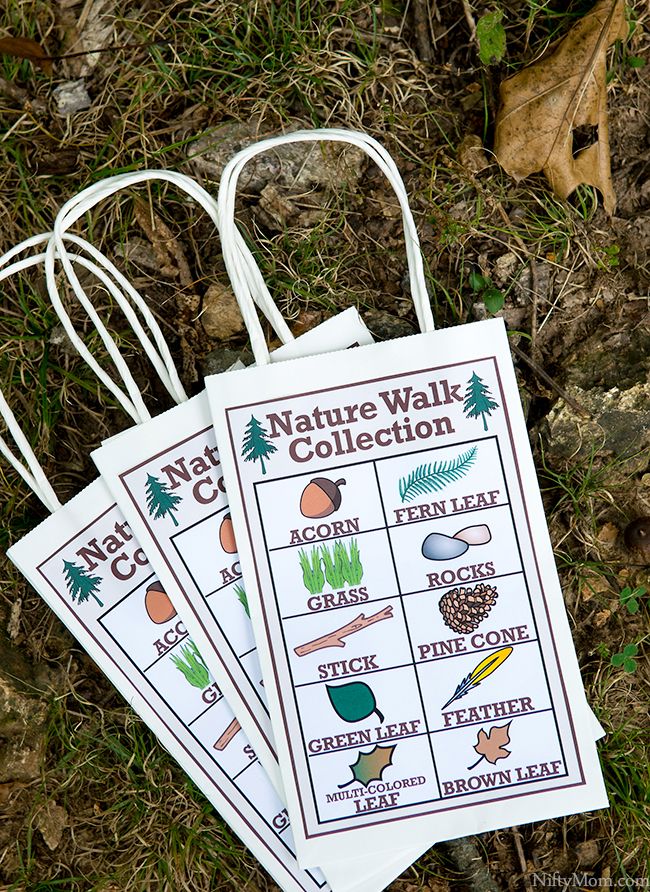
Woodland excursions are ideal for families seeking shared experiences that blend play, learning, and gentle physical activity. Simple tasks like leaf collecting, counting bird species, or building nature-inspired art with found materials keep children engaged and curious. Many forests feature educational signage, children’s trails, and interactive exhibits that turn a walk into an on-site classroom without feeling structured. Encouraging questions and exploration fosters a lifelong appreciation for the natural world.
Planning regular family outings to nearby woodlands can create traditions that strengthen bonds and offer consistent opportunities for outdoor play. Packing a small adventure kit with binoculars, a magnifying glass, water, and snacks makes spontaneous learning easy and enjoyable. By modeling respect for nature and following trail etiquette, adults help instill environmental stewardship that children carry into adulthood.
Conservation and Sustainable Visits
As woodland visits grow in popularity, responsible behavior becomes essential to protect fragile ecosystems and maintain these spaces for future generations. Sticking to marked trails, avoiding picking plants or disturbing habitats, and packing out all trash are basic practices that preserve forest health. Keeping noise at respectful levels ensures that wildlife remains undisturbed and that other visitors can enjoy peaceful surroundings. These small actions collectively safeguard the beauty and biodiversity that make woodlands so special.
Supporting local conservation groups, volunteering for trail maintenance, or participating in citizen science projects deepens your connection to woodland stewardship. Many organizations offer programs that teach tree identification, habitat restoration, and wildlife monitoring, turning a day out into meaningful contribution. By aligning your woodland activities today with sustainable habits, you help ensure that these cherished landscapes remain vibrant and accessible for years to come.
Exploring woodlands invites you to move at your own pace, discover something new around every bend, and carry a sense of calm back into everyday life. Each path offers different lessons, from quiet reflection to lively discovery, depending on how you choose to engage with the forest. As you plan future outings, consider what aspects of the woodland experience inspire you most and seek them out intentionally. Whatever your interest, the forest is ready to welcome you and reveal its quiet magic whenever you decide to visit again.
Related Articles

101 Fun Outdoor Childrens Activities For Endless Summer Adventures
Spending time outdoors is one of the simplest ways to help children grow strong, curious, and happy. Fun outdoor children's activities spark imagination...

Top Outdoor Activities for 8 10 Year Olds Fun Nature Adventures
Planning outdoor activities for 8 10 year olds opens up a world of possibility, where fresh air and active games replace screen time with laughter. Children in...
Outdoor Games for 10 12 Year Olds Fun Activities
Outdoor games for 10 12 year olds are a fantastic way to keep children active and socially engaged during the critical preteen years. At this age, kids are...

outdoor games for 9 year old boy fun activities backyard playground
Finding the perfect outdoor games for a 9 year old boy is about striking the right balance between fun and development. At this age, kids are bursting with...

Garden Decor Near Me Open Now: Find Local Stores Today
Finding garden decor near me open now is a common quest for homeowners who want to refresh their outdoor space immediately. This search usually happens when...

Top Yard Games for Adults Fun Outdoor Activities
Stepping into the backyard with a group of friends after a long day can instantly melt away leftover stress, especially when a well chosen yard game is waiting...