Why Is Green The National Colour Of Ireland SEO Guide
Among the most recognizable national identities in the world, Ireland stands out with a visual language defined by a single, vibrant hue. The question of why is green the national colour of Ireland extends far beyond simple aesthetics, weaving together geography, history, and a powerful sense of shared heritage. This shade is not merely a choice but a deep-rooted symbol that resonates through every aspect of Irish culture, from ancient myth to modern sport.
To understand this phenomenon, one must look to the island's landscape and pre-Christian traditions. The rolling emerald hills, the lush valleys, and the abundant plant life have historically provided a constant, vivid backdrop to daily life. This intimate connection between the people and the physical environment created a natural affinity for the color, embedding it into the collective consciousness as a representation of the land itself and its fertile, life-giving qualities.
Historical and Political Evolution
The transformation of this environmental association into a formal national symbol occurred through significant historical events. The adoption of green as a unifying flag color was a deliberate political act, especially during periods of resistance. It served to differentiate Irish factions from their opponents and provided a common visual banner for a population seeking greater autonomy and recognition on the world stage.


The Role of Rebellion and Identity
Throughout the 18th and 19th centuries, green became intrinsically linked with Irish nationalism and the struggle for independence. It was worn as a symbol of defiance and hope during times of political suppression, transforming from a simple representation of geography into a bold statement of cultural pride and political sovereignty. The color became synonymous with the fight for self-determination and the dream of a unified nation free from external control.
Specific organizations and movements further cemented this association. The emergence of paramilitary groups and later political parties adopted the color to visually represent their commitment to Irish sovereignty. This historical weight gives the shade a profound depth, making it more than just a decorative choice but a testament to a long journey toward establishing a distinct national identity.


Symbolism in Modern Institutions
Today, the significance of green is formally enshrined in the nation's most important symbols. The national flag presents a tricolor of green, white, and orange, where the green specifically represents the Gaelic tradition and the majority Catholic population. This official recognition solidifies its status as the definitive national color, a constant presence in government buildings and during official ceremonies.
Beyond the flag, green permeates the institutional fabric of the country. It appears on passports, euro coins, sports uniforms, and official emblems. This consistent visual reinforcement ensures that the color remains a primary identifier for citizens and a clear signal to the international community, creating a cohesive and powerful brand for the nation.
Cultural and Natural Resonance
The cultural embrace of green extends into the arts, literature, and everyday expressions of Irish life. Poets and writers have long used the color to evoke mood, landscape, and emotion, establishing a rich literary tradition that associates the hue with vitality, melancholy, and the enduring spirit of the people. This artistic reinforcement helps maintain the color's relevance in the modern cultural discourse.


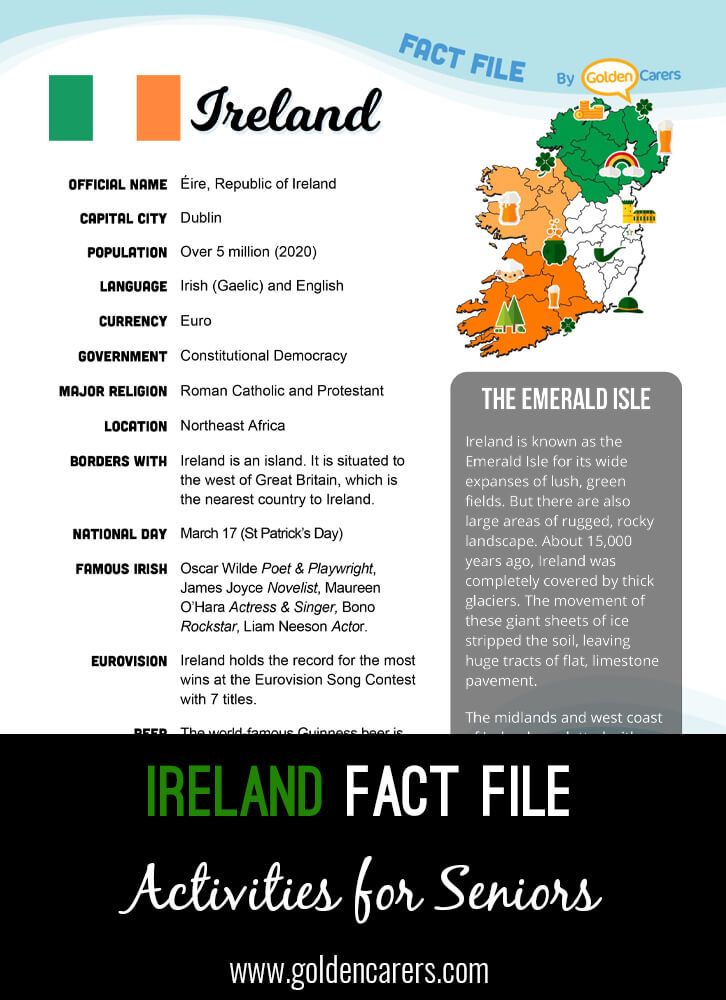


Furthermore, the Irish climate ensures that the landscape remains in a perpetual state of green for the majority of the year. This constant visual presence means that the color is not a seasonal novelty but a reliable and enduring feature of the national experience. The result is a powerful, subconscious reinforcement of the shade as the natural and expected backdrop of Irish existence.
The Global Sports Connection
Few images are as potent in spreading the association between green and Ireland than the sight of athletes competing on the world stage. Whether it is the rugby team, the football squad, or the hurlers, the sea of green jerseys creates an instant and recognizable identity. This global visibility transforms the color into a rallying point for the diaspora and a source of immense national pride for those at home.
Major sporting events act as a massive amplifier of this symbol. During tournaments like the Rugby World Cup or the UEFA European Championships, the entire nation seems to don the green, turning cities into unified blocks of color. This collective display cements the idea that the shade is not just for official use but is a living, breathing part of how the Irish people present themselves to the world.


Environmental and Agricultural Links
The modern understanding of green also aligns with contemporary Irish values concerning environmental stewardship and agriculture. The country's economy and culture have long been tied to the land, and the color now serves as a reminder of the nation's commitment to sustainability and its rich farming heritage. It represents a connection to the earth and a respect for the natural resources that have sustained the population for centuries.
This association with nature and growth positions the color as a forward-looking symbol. It suggests a nation that is not only proud of its past but is also looking toward a future that values its green countryside and promotes environmental responsibility. The color effectively bridges the gap between historical tradition and modern ecological awareness.
Walking through any city or village in the country reveals how seamlessly this color integrates into the modern urban and rural landscape. It is present in the window displays of shops, the decor of neighborhood pubs, and the patterns of traditional crafts, demonstrating that the preference for this specific hue is not confined to history books but is a dynamic and current element of everyday aesthetic choice.
Ultimately, the persistence of this color as a defining national feature lies in its ability to adapt while retaining its core identity. It functions simultaneously as a historical emblem, a cultural adhesive, and a natural descriptor, offering a multi-layered representation of the people. Considering all these threads—the landscape, the history, the sport, and the daily life—it becomes clear why this specific shade continues to resonate so powerfully.
Exploring the story behind national symbols often reveals a complex tapestry of influences that shape a country's identity. By tracing the journey of this particular color, one gains a deeper appreciation for the intricate ways in which a nation expresses its uniqueness, making the visual language of Ireland one of the most compelling in the world.
Related Articles

Ireland Planting: Your Ultimate Guide to a Lush Green Garden
Ireland planting initiatives are transforming the Emerald Isle into a living canvas of green, addressing both ecological balance and community well-being...

Ireland Garden Guide: 10 Easy Tips for a Lush Green Garden
The garden in Ireland presents a unique narrative where moody skies meet an ancient, resilient green landscape, turning every season into a dramatic story...

Green Net Squares: The Ultimate Guide to Sustainable Gardening and Eco-Friendly Design
Green net squares represent a modern fusion of sustainable materials and modular design, capturing the attention of designers and eco-conscious consumers...

What Colour Goes With Fern Green Stunning Decor Ideas
Choosing colors that complement fern green can transform a room from ordinary to extraordinary, creating a mood that feels both fresh and sophisticated. This...

Find Garden Patches Near Me: Your Local Guide to Green Thumbs
Finding garden patches near me has become a popular quest for city dwellers and suburban families who crave a direct connection with nature. This search is...

Traditional Irish Foods to Eat: Ultimate Culinary Guide
Exploring traditional foods in Ireland to eat reveals a landscape shaped by rugged coastlines, fertile pastures, and a history of resilience that turns humble...