Greek Mythology Earth and Sky Gods Names Gaia Uranus
In the rich tapestry of ancient Greek mythology, the cosmos began as a formless void until the primordial forces gave birth to foundational entities that structured the universe. Among these primordial beings were the names of the earth and the sky greek mythology, which represent some of the most fundamental aspects of existence. The Greeks personified the world around them through elaborate myths, and the relationship between the terrestrial and celestial realms was central to their cosmological vision. Understanding these names and stories provides insight into how the ancient Greeks explained the origins of life, natural phenomena, and the very structure of reality.
The creation narrative starts with the emergence of the Protogenoi, the first gods who arose from the chaos of non-existence. These primordial deities were not anthropomorphic in the later sense but represented elemental forces and abstract concepts. The names of the earth and the sky greek mythology are rooted in this primeval period, where the distinction between the solid ground beneath and the expanse above became the foundational duality of the Greek worldview. These early deities set the stage for all subsequent myths, relationships, and divine hierarchies that would define the pantheon.
Gaia: The Primordial Earth
Gaia stands as the most prominent name associated with the earth in Greek mythology, representing the personification of the planet itself and the creative force of fertility. She emerged from the void of Chaos and became the mother of all life, giving birth to the mountains, the sea, and the sky. As the ancestral mother, Gaia embodied the nurturing and life-sustaining aspects of the earth, while also possessing a fierce protective power over all living creatures. Her influence persisted throughout Greek religious practice, from rural shrines to major sanctuaries dedicated to her chthonic mysteries.


Sub-topic A: The Anatolian Origins of Gaia
The worship of a mother earth deity predates the classical Greek period and likely entered Greek religion from earlier Anatolian and Near Eastern traditions. Archaeological evidence suggests that fertility goddess cults were widespread in the region long before the Olympian pantheon solidified in the Greek imagination. The name Gaia itself may share linguistic roots with similar mother goddess figures across the ancient world, reflecting a universal human impulse to venerate the land that sustains life. These connections highlight the deep cultural roots of earth worship in the eastern Mediterranean.
Gaia's role as the literal ground beneath humanity's feet made her an essential presence in daily life and ritual practice. Farmers prayed to her for bountiful harvests, travelers sought her protection on journeys, and communities held festivals to honor her generosity. She was not a distant celestial deity but an intimate presence, manifesting in the soil underfoot and the crops that grew from it. This direct connection between the physical earth and religious devotion demonstrates how central the concept of the land was to ancient Greek identity.


Sub-topic B: Gaia as a Cosmic Force
Beyond her role as a fertility goddess, Gaia functioned as a powerful cosmic principle representing the earth as a living, conscious entity. In some myths, she possessed the ability to prophesy and influence the fates of gods and mortals alike. Her relationship with other primordial deities, particularly with Uranus (the sky), defined the early structure of the cosmos through cycles of creation, conflict, and resolution. These narratives established patterns that explained natural phenomena like weather, geological features, and the changing seasons.
The theological significance of Gaia extended into philosophical thought, particularly with later pre-Socratic philosophers who sought natural explanations for the world's workings. Thinkers like Thales and Anaximander drew inspiration from primordial deities like Gaia when developing early theories about the fundamental substance of the universe. This transition from mythological to philosophical inquiry shows how the concept of the earth goddess evolved while maintaining its core association with the foundational material of existence.
Uranus: The Celestial Vault
Uranus, the primordial sky god, represented the vast expanse above and served as the counterpart to Gaia in the cosmological framework. He embodied the celestial dome that enclosed the earth and was believed to descend at night to lie with his mother-wife, creating the fertile ground for life to emerge. The name Uranus signified not just the physical sky but also the divine principle that governed cosmic order, weather patterns, and the movements of celestial bodies that ancient observers tracked with sophisticated attention.


Sub-topic C: The Heaven-Earth Union Myth
The union of Gaia and Uranus represents one of the most fundamental creation myths in Greek tradition, describing how the solid earth and encompassing sky combined to produce the first generation of divine beings. This primordial couple gave birth to the Titans, the Cyclopes, and the Hecatoncheires, establishing the lineage of gods that would eventually lead to the Olympian pantheon. The physical act of mating between earth and sky symbolized the natural processes of rainfall making the earth fertile and producing the abundance of life.
Beyond procreation, the relationship between Gaia and Uranus contained inherent tension, as the sky covered the earth while simultaneously nourishing it. This dynamic balance reflected observable natural phenomena—how the sky both sheltered and threatened the land through storms, how it provided necessary moisture while also harsh conditions. The mythology surrounding this divine couple explored themes of dependence, conflict, and the complex interdependence that structured the natural world as the Greeks understood it.
Sub-topic D: Uranus Overthrown
The myth of Uranus's overthrow by his son Cronus became one of the most significant narratives in Greek mythology, representing the transition from primordial chaos to structured divine rule. Cronus, fearing a prophecy that he would be overthrown by his own child, devoured each of his offspring as they were born by Gaia. However, when Zeus was born, Gaia conspired to save him, leading to the eventual castration of Uranus and the rise of the new divine order. This violent transformation of the cosmos established the supremacy of the Olympian gods.


The overthrow of Uranus carried profound implications for how the Greeks understood political succession, divine authority, and the natural order. It established a pattern of divine conflict and succession that would repeat throughout Greek mythology, influencing everything from the Titanomachy to the eventual rise of Zeus's rule. The story also reflected ancient Greek concepts of justice, cyclical time, and the inevitability of change, even among the gods themselves.
Interconnected Realms: The Cosmic Implications
The relationship between the names of the earth and the sky greek mythology—Gaia and Uranus—formed the fundamental axis upon which Greek cosmological understanding turned. Their interaction represented the primary duality that structured reality: the terrestrial versus the celestial, the solid versus the gaseous, the nurturing versus the encompassing. This foundational pairing influenced not only creation myths but also architectural practices, astronomical observations, and philosophical speculation throughout ancient Greek civilization.
Later Greek poets and philosophers interpreted this primordial relationship in increasingly abstract ways, using the earth-sky dynamic as a metaphor for fundamental tensions in existence. The opposition and harmony between ground and sky, stability and vastness, fertility and transcendence, became central themes in Greek thought. Even as religious practices evolved and the Olympian pantheon replaced earlier traditions, the conceptual framework established by Gaia and Uranus remained embedded in Greek cultural consciousness.
The enduring fascination with these ancient names demonstrates how the Greeks used mythology to process fundamental questions about humanity's place in the universe. By giving recognizable names to the most basic elements of their experienced world— the ground beneath and the sky above—they created a meaningful framework that connected daily experience to cosmic significance. This approach to understanding reality through divine personification represents one of the most sophisticated cultural achievements of the ancient world, continuing to influence how we conceptualize our relationship with the natural world today.
Related Articles
Exploring Gaia: The Earth Greek God Name And Mythology
When people explore the rich tapestry of ancient mythology, the earth greek god name that often rises to the surface is Gaia, a primal force embodying the...
Greek God of Earth Names: Ultimate Mythology Guide
Exploring the ancient Greek pantheon reveals a profound connection between the deities and the physical world, where the ground beneath our feet was often...
Powerful Greek Mythology Names Inspired by Earth
Exploring greek mythology names earth reveals a rich tapestry of ancient language and symbolic landscapes that continue to shape our modern imagination. These...

Powerful Earth Deity Names Mythology Gods Goddesses List
Across countless civilizations and spiritual lineages, the earth deity names whispered in ancient hymns reveal a profound reverence for the living ground...

Greek Boy Names Meaning Earth: Strong & Mythical Choices
Choosing a name for a newborn is a profound journey, and many parents are drawn to names that carry the weight of nature, stability, and origin. Greek boy...
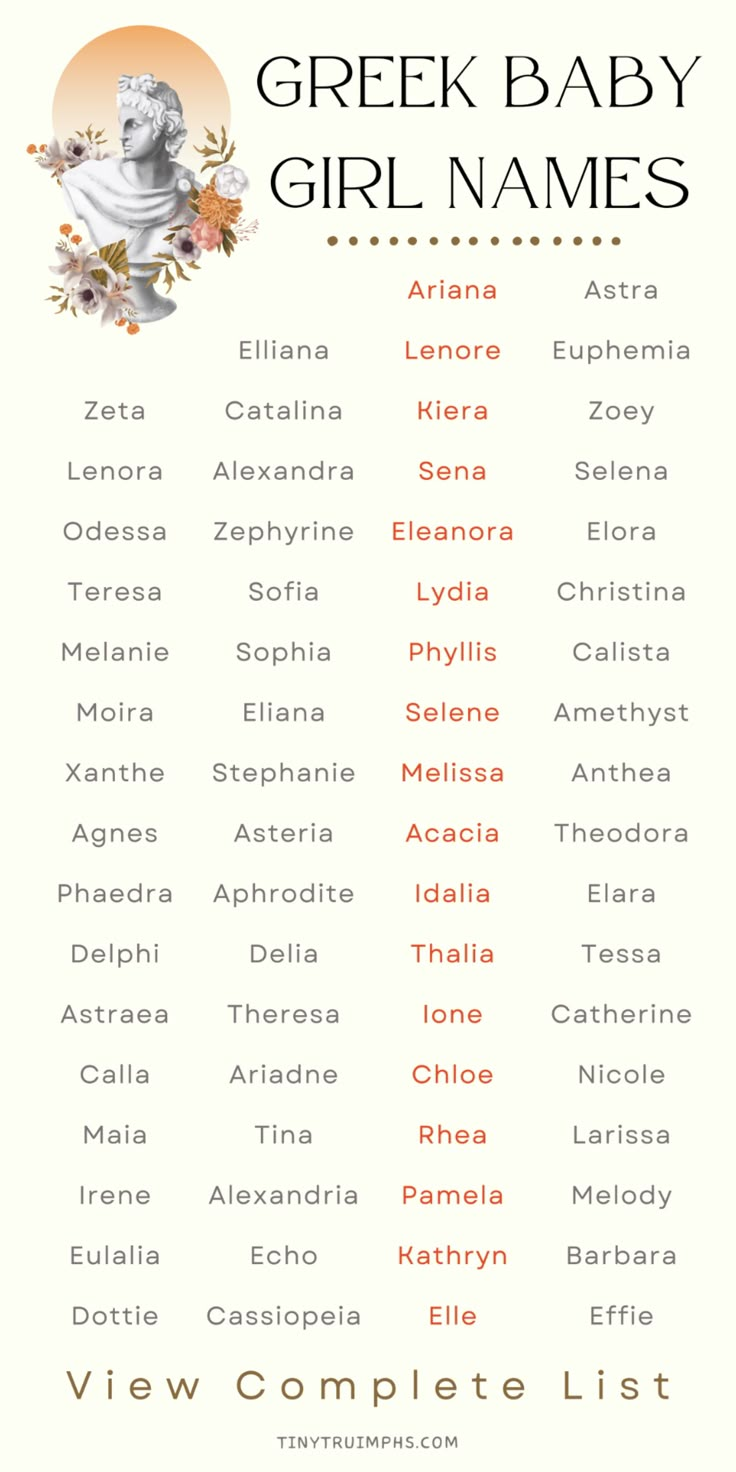
Popular Greek Girl Names 2024 Trends SEO
Choosing a name for a newborn is one of the most joyful and significant decisions parents face, and many are drawn to the rich history and melodic sound of...