Best Vegetables to Grow on a Hill: Top Picks for Hillside Gardening
Choosing the right vegetables for a hillside garden unlocks a world of flavor, beauty, and practical growing advantages that flat ground cannot match. Planting on a hill naturally improves drainage, warms the soil earlier in the season, and creates dramatic visual layering in your landscape. Many gardeners discover that sites they once considered difficult actually become their most productive spaces when they match crops to the unique conditions of upward terrain.
A slope encourages excess water to move down the plot rather than pooling around delicate roots, which is a primary reason certain crops excel in these locations. The increased exposure to sunlight and moving air also reduces the risk of fungal diseases that often plague vegetables in damp, stagnant environments. Understanding which vegetables grow best on a hill allows you to transform challenges into a bountiful and eye-catching kitchen garden.
Root Crops that Embrace the Slope
Root vegetables often perform exceptionally well on a hillside because they naturally grow downward, making efficient use of the loose, well-drained soil that slopes frequently provide. The structure of the soil on a hill often avoids the compacted layers that frustrate crops like carrots and radishes, leading to straighter, cleaner harvests. If you are looking for reliable staples that deliver high yields in challenging terrain, these crops deserve a prominent spot in your design.


Because hills warm quickly in the spring, root crops that appreciate a longer growing season get a head start that accelerates their development. The superior drainage also prevents the rot that can ruin a crop of tubers and taproots after a heavy rain. The following vegetables are particularly well-suited for planting on a slope.
Potatoes
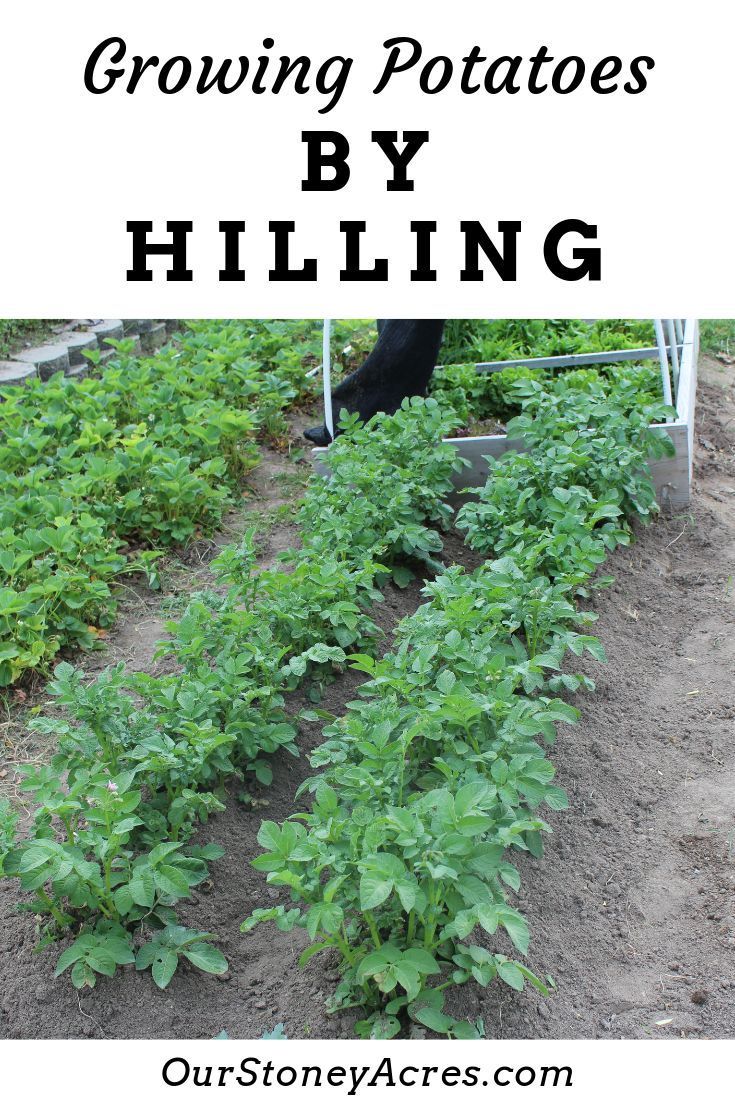
Potatoes are one of the easiest and most rewarding crops to grow on a hill, and this technique is so effective it has become a classic method for maximizing space and yield. By placing seed potatoes at the base of a slope and gradually mounding soil around the plants as they grow, you effectively create a living mulch that conserves moisture and suppresses weeds. This hilling process also encourages the formation of more tubers along the buried stem, increasing your harvest from a single plant.


The loose, rocky nature of many slopes is ideal for potatoes, as it allows the tubers to expand easily without hitting a hardpan that would cause them to crack or deform. You can plant early varieties to enjoy new potatoes sooner or choose late-season types that store beautifully through the winter. The vertical nature of a hill makes it simple to check for pests and to harvest the crop by simply uncovering the mounded soil.
Carrots
Carrots develop their long, straight roots most successfully in the deep, friable soil found on many hillsides, especially when the slope is oriented to receive ample sunlight. The excellent drainage prevents the roots from becoming waterlogged, which can cause forking or a bitter, woody texture in the final crop. Because carrots require consistent moisture without sitting in water, the gentle slope allows them to drink deeply after watering or rain without suffering from root rot.
Lighter soil on a hill is perfect for shorter, rounder varieties like Little Finger, as well as the longer Imperator types that need more room to grow straight. Regular weeding is easier on a hillside because you can see the rows clearly, and the plants themselves often suffer less from the carrot rust fly that can be a problem in heavier, wetter gardens. A rich, sandy loam amended with compost will turn a hillside into a perfect carrot patch.


Sun-Loving Vine Crops and Compact Growers
Beyond roots, a sunny slope is an excellent stage for vining crops and compact growers that spread out rather than digging deeply downward. The elevation improves air circulation around the foliage, which is one of the most important factors in preventing powdery mildew and other foliar diseases. With thoughtful spacing, you can use the topography to create a layered garden that produces continuously from early summer through fall.
These crops benefit from the reflected heat that a hillside often radiates, especially when the slope faces south or west in the northern hemisphere. The warmth encourages steady growth and sweetens the flavor of many fruits. The following vegetables thrive when given the combination of sun, drainage, and airflow that a hill provides.
Summer Squash and Zucchini
Summer squash varieties, including zucchini, are ideal for a hillside garden because they produce abundant yields from a relatively small footprint. Planting them at the top of the slope allows the wide leaves to cascade down the sides, creating a living mulch that shades the soil and reduces water loss. This positioning also keeps the fruits clean and makes them easier to spot during harvest, preventing overripe specimens that can encourage pests.




The excellent drainage on a slope protects the crowns of these plants from rot, which is a common issue when squash sit in heavy, slow-drying soil. You can grow multiple plants along a terrace or plant a single hill at the apex, letting the vines drape down in a dramatic display. Regular harvesting encourages the plant to continue producing through the entire season.
Melons
Cantaloupe, honeydew, and similar melons perform beautifully on a hillside, where they enjoy the warm soil and relentless sun that slopes often provide. Trellising smaller melon varieties on a hillside structure saves tremendous space and keeps the fruits off the ground, dramatically reducing the risk of rot and soil-borne diseases. A simple network of sturdy netting or nylon mesh works perfectly to support the heavy, sweet fruits.
The consistent airflow up and down the slope helps melons develop their complex aroma and sugar profile, giving homegrown fruit a supermarket-beating flavor. Because melons have deep roots, they appreciate the unimpeded downward growth that a slope encourages. Planting in a basin formed by the hill allows you to water deeply without wasting moisture on the paths between plants.
Leafy Greens and Herbs for Hillside Harvests
Leafy greens and culinary herbs are another excellent category for hillside gardens, particularly when you use the natural contours to create microclimates. Cooler pockets at the base of the slope can host lettuce and spinach during hot weather, while the warmer upper areas are perfect for basil, thyme, and other sun-loving herbs. This diversity ensures that you can harvest fresh flavor from the garden from spring through late fall.
Many herbs actually prefer the leaner, well-drained soil of a slope, which concentrates their essential oils and intensifies their fragrance. Growing greens and herbs on a hill makes it easy to practice successive planting, where you sow new seeds every few weeks for a continuous supply. The visual appeal of a terraced herb garden on a hillside is an added bonus that enhances any landscape design.
Lettuce and Leafy Greens
Lettuce and other quick-maturing leafy greens are perfect for the upper sections of a hill, where they get morning sun and afternoon shade from taller crops. The fast drainage prevents the soil from staying soggy between waterings, which is critical for avoiding the bitter taste and limp texture that often plague lettuce in stagnant conditions. You can plant a mix of crisphead, leaf, and romaine varieties for a continuous harvest.
Shade cloth or the careful placement of taller companions like pole beans can extend the harvest window during the peak heat of summer. Because leafy greens have shallow roots, they thrive in the loose, rocky soil near the surface of many slopes. Harvesting just the outer leaves encourages regrowth and gives you fresh salads for weeks on end.
Herbs
Mediterranean herbs such as rosemary, thyme, and oregano are naturally suited to hillside conditions because they evolved in dry, rocky environments with excellent airflow. Their deep root systems stabilize the soil on a slope, reducing erosion while providing a steady supply of fragrant leaves for cooking. The intense sunlight on a hill intensifies their essential oils, making homegrown herbs far more flavorful than their grocery store counterparts.
Sage, lavender, and thyme create beautiful, low-growing mounds that spill elegantly down a hillside, adding texture and color long before they are harvested. These herbs prefer dry conditions once established, and the slope ensures that water does not linger around their crowns. Planting herbs on a sunny bank turns a practical need for erosion control into a stunning and useful garden feature.
Planning and Maintaining Your Hillside Vegetable Garden
Success with hillside vegetables begins with smart planning and ongoing maintenance that respects the unique dynamics of a slope. The angle of the hill, the quality of the soil, and the direction it faces all influence which crops will thrive and when they will perform best. Observing how water moves across your property during a heavy rain will help you identify the best locations for thirsty crops and those that prefer drier conditions.
Building terraces or simple retaining structures can dramatically improve your ability to manage water and soil on a hill. These features slow runoff, trap nutrients, and create level planting areas for the most delicate crops. With a little engineering and careful crop selection, a hillside transforms from a gardening challenge into one of the most productive and beautiful spaces in your yard.
Selecting the best vegetables for a hillside involves matching the strengths of your slope with the needs of each crop, turning potential problems into powerful advantages. As you experiment with potatoes, squash, melons, and herbs, pay attention to how your specific site performs throughout the seasons. Observing these patterns will guide you toward a hillside garden that is not only productive but also deeply satisfying to tend and enjoy year after year.
Related Articles

Best Vegetables to Plant With Onions Companion Gardening Guide
Onions are a kitchen staple with a strong personality, and understanding what vegetables grow well with onions is essential for creating a productive and...

Best Vegetables for Terrace Garden: Top Picks for Small Space Gardening
Growing the best vegetables for terrace garden is one of the most rewarding ways to bring fresh flavor, vibrant color, and a sense of calm to your urban space...

What Vegetables Grow in the North: A Complete Guide to Cold Climate Gardening
Understanding what vegetables grow in the north opens the door to a resilient and flavorful kitchen, even where the growing season is short. Gardeners in...

Best Plants for Small Pots: Top Picks for Thriving Containers
Choosing the right plants for small pots opens up a world of lush gardening possibilities, even for those with only a balcony or a tiny patio. Many beginner...

The Best Plants to Grow in a Raised Bed: Top Picks for a Thriving Garden
Raised bed gardening has become a favorite approach for growing food and flowers because it offers control over soil quality and drainage. By building your own...

What Is Good to Grow in a Raised Bed: Best Vegetables and Herbs
Raised bed gardening offers an efficient way to grow healthy food, beautiful flowers, and abundant herbs in a controlled, accessible space. By lifting the soil...