What to Feed Toddlers for Lunch: 10 Healthy Ideas & Easy Recipes
Planning what to feed toddlers for lunch can feel like a mini performance review, but it is really about building a foundation of healthy habits. At this age, children are exploring independence, yet their tummies are small and their tastes are changing daily. A thoughtful lunch offers steady energy to get through the afternoon and supports the rapid growth and brain development that happens between one and three years old.
Many parents worry about perfection, but nutrition experts emphasize consistency over perfection. Toddlers often need multiple exposures to a new food before they accept it, so staying calm and offering a variety is more effective than forcing a single bite. This approach helps create a positive relationship with food and reduces mealtime stress for the whole family.
Building a Balanced Toddler Lunch
A balanced toddler lunch combines protein, healthy fats, whole grains, and colorful fruits and vegetables. These components work together to keep blood sugar stable and provide the vitamins needed for strong bones and a sharp mind. The goal is not a perfect meal every day, but a pattern of eating that supports long term health.


Portion size is another key detail, because adult sized servings can overwhelm a toddler. Offering one to two tablespoons of each food group gives them enough to explore and decide how much to eat. When parents control what and when food is offered, and the child controls how much they eat, mealtime becomes a pleasant and pressure free experience.
Complex Carbohydrates for Sustained Energy
Whole grain bread, pasta, and brown rice release energy slowly, which helps toddlers avoid the mid afternoon crash. These carbohydrates also contain fiber, which supports digestion and keeps tiny tummies feeling comfortable. Providing these foods at lunch sets the stage for a more stable mood and better focus during playtime.


Simple swaps, like using whole wheat tortillas or choosing high fiber cereal, can boost the nutritional value without changing the menu too much. Cooking pasta until it is slightly softer and cutting grains into small, manageable pieces makes them easier and safer for little ones to chew and swallow.
Lean Proteins for Growth and Satiety
Proteins are the building blocks for muscles, skin, and immune function, making them essential in a toddler’s lunch. Beans, lentils, chicken, fish, and tofu are excellent options that can be prepared in soft, toddler friendly textures. These protein sources help children feel full longer, reducing the urge to snack on less nutritious foods an hour after lunch.
When serving meat, keeping the pieces small and moist with a sauce or broth can encourage chewing and swallowing. For plant based families, pairing grains with legumes, such as rice and beans, creates a complete protein profile that supports every stage of development.


Healthy Fats for Brain Development
Fat is a crucial nutrient for toddlers because it supports the rapid growth of the brain and nervous system. Avocado, nut butters, olive oil, and full fat yogurt add creaminess and flavor while delivering these important fats. Including a small amount of fat in lunch helps the absorption of fat soluble vitamins like A, D, E, and K.
To introduce healthy fats safely, consider spreading a thin layer of almond or sunflower seed butter on toast or mixing finely mashed avocado into a pasta dish. Always adjust the texture to match your child’s chewing ability and supervise meals to ensure a safe eating environment.
Colorful Produce for Immunity and Fiber
Brightly colored fruits and vegetables signal a range of antioxidants and vitamins that support immunity and overall health. Orange carrots, red strawberries, green peas, and blueberries each bring unique benefits that protect cells and help the body fight off illness. Offering a varied rainbow on the plate encourages curiosity and broadens their palate over time.


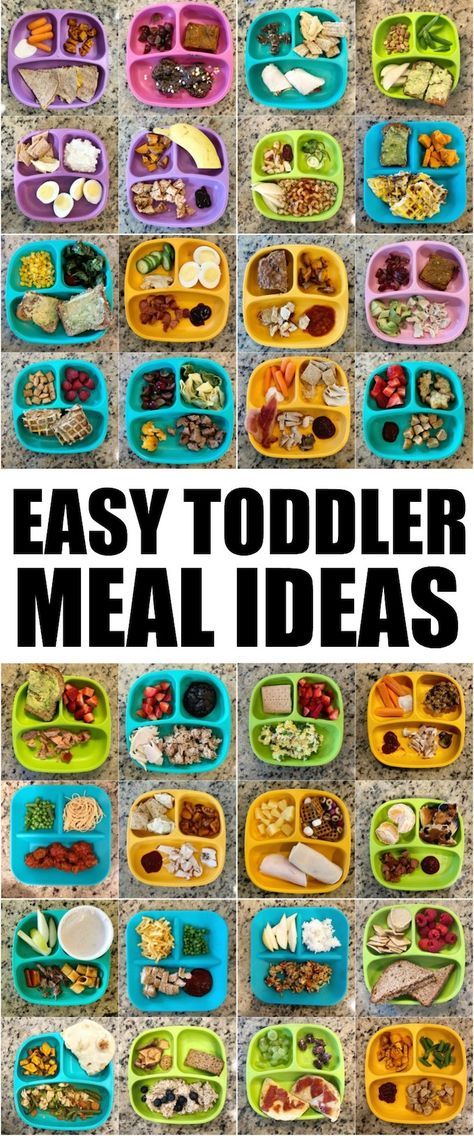


Raw vegetables like cucumber sticks or steamed broccoli florets make great crunchy snacks, while softer options like roasted sweet potato cubes are gentle on new teeth. Pairing a familiar favorite with one new vegetable increases the chances that your toddler will touch, smell, and eventually taste it without pressure.
Practical Tips and Easy Recipes
Planning ahead reduces stress and ensures that healthy ingredients are always on hand. Batch cooking grains, roasting a tray of mixed vegetables, and portioning proteins into small containers can turn a chaotic morning into a smooth routine. Having a simple template, like grain plus protein plus veggie plus fruit, makes packing lunch quick and intuitive.
Keeping notes on what your child enjoys can also guide future menus. You might discover that they prefer mild flavors one week and bold spices the next, which is completely normal. Flexibility, along with a core set of nutritious staples, helps you adapt to picky phases while maintaining a balanced intake over time.
Simple Lunch Combos to Try
Grilled cheese made with whole grain bread and a side of sliced pears offers comfort food with a nutritious twist. Mini turkey sandwiches on soft tortillas, paired with cucumber sticks and orange segments, provide protein and vitamins in a fresh format. These combinations are easy to prepare the night before and gentle for tiny mouths.
Another option is a small bowl of warm lentil soup with a slice of whole grain toast and a few strawberry halves. Warm meals can be soothing, especially on cooler days, and often feel more like a treat than a typical sandwich. The soft textures and rich flavors introduce new culinary experiences without overwhelming a sensitive palate.
Safety and Independence at the Table
Cutting food into small, manageable pieces and avoiding round, hard choking hazards supports safe eating as toddlers explore solid foods. Grapes, hot dogs, and nuts should be prepared appropriately or introduced with close supervision. Teaching simple table manners and encouraging slow bites helps children learn to enjoy meals without rushing.
Allowing toddlers to help assemble their lunch, such as placing cherry tomatoes on a skewer or choosing which fruit to bring, builds confidence and curiosity. Even messy hands and a few dropped bites are part of the learning process. Over time, these small moments of independence create lasting, positive habits around food and mealtime.
As you experiment with different flavors and routines, notice how your toddler responds to each new lunch, paying attention to energy levels and mood. Over time, you will find the simple rhythm of offering nourishing foods and trusting their natural curiosity around eating. Trusting this process and staying consistent will help your child grow into a confident, healthy eater.
Related Articles

easy 30 ideas for school lunches for picky eaters healthy lunch recipes for kids
Planning school lunches for picky eaters can feel overwhelming, but creative ideas for easy 30 ideas for school lunches for picky eaters turn stress into...

School Lunch Ideas For Kindergarten Pinterest Easy Healthy Recipes
Planning school lunch ideas for kindergarten pinterest can feel overwhelming for parents who want to send their little ones with a meal that is both nutritious...

Delicious And Nutritious School Lunch Ideas For Toddlers In Nigeria Easy Recipes
Planning healthy school lunch ideas for toddlers in nigeria can feel overwhelming for many parents who want fresh, balanced meals that please little taste...

School Lunch Ideas For Picky Eaters Toddlers Healthy Easy Meals
Navigating mealtime with a toddler who is a picky eater can feel exhausting, especially when you are trying to plan nutritious school lunch ideas for picky...

Delicious Vegetarian Lunch Box Ideas For Teens Healthy And Easy
Finding lunch box ideas for teens vegetarian can feel challenging, yet it is absolutely possible to create nutritious and crave-worthy meals. As teens seek...

Delicious Lunch Ideas For Picky Eaters Adults Quick And Easy Recipes
Dealing with lunch ideas for picky eaters adults can feel like navigating a minefield, especially when you are tired after work and want something simple yet...