When to Start a Garden: The Ultimate Seasonal Guide for Beginners
Planning the perfect start to your garden begins long before you touch a shovel, and asking what time of year should i start my garden is the most important question you will ask. The answer depends on where you live, what you want to grow, and how you define the gardening season, but getting this timing right saves you frustration and boosts your chances of success. A thoughtful approach considers soil temperature, daylight hours, and the mature schedule of each crop so your efforts do not go to waste. This guide walks you through the key factors that determine the ideal moment to begin, from cool season harvests to heat loving summer crops.
Beyond the calendar, successful gardens start with an understanding of your local climate and the subtle rhythms of your own yard. Microclimates, shade patterns, and unexpected frosts can shift the best planting window by weeks, so you need to observe before you commit. Knowing when danger of frost passes and how quickly the soil warms helps you choose seeds or transplants that match your timeline. If you align your tasks with these conditions from the very beginning, you set the stage for steady growth instead of a scramble to catch up later.
Understanding Your Climate And Frost Dates
The foundation of timing your garden is identifying your last average frost date in spring and your first average frost date in fall. These dates, often found through local extension services or reputable gardening websites, act as guardrails for sowing tender crops and protecting vulnerable seedlings. In cool climates, the window between the last frost and the first frost is shorter, pushing you to start earlier indoors or choose fast maturing varieties. Gardeners in milder regions enjoy a longer season, which means more flexibility but also more decisions about what to prioritize each year.


Soil temperature is just as critical as air temperature because cold, wet ground delays germination and can rot delicate seeds before they emerge. When the soil is still chilly, cool season crops like lettuce, peas, and radishes are your best allies since they thrive at lower temperatures. Warm season crops such as tomatoes, peppers, and cucumbers need consistently warm soil to germinate and establish strong roots, so starting them too early outdoors often leads to disappointment. Matching crops to soil conditions is a fundamental step in answering what time of year should i start my garden with confidence.
Microclimate And Site Assessment
Your specific yard may behave differently from the typical forecast for your region, especially if you have walls, trees, or slopes that affect sun and wind. South facing walls absorb heat and can create a warmer corner where you start tender plants earlier than the rest of the garden. Conversely, low lying areas may collect cold air on spring nights, increasing the risk of frost even when other parts of the yard look safe. Observing these patterns for a season or two helps you place delicate seedlings where they will thrive and protects them from surprise temperature swings.


Observational journaling is a simple but powerful tool for learning your site’s rhythms. By recording when you plant, the weather patterns you experience, and how different crops perform, you build a personalized timeline that improves every year. Notes on soil moisture, wind exposure, and unexpected wildlife visits help you refine your schedule beyond generic guidelines. Over time, this habit transforms vague guesses into a reliable answer to what time of year should i start my garden based on real results in your space.
Seasonal Timing Strategies For Different Crops
Cool season crops are the early birds of the garden, thriving in the mild temperatures of early spring and again in late summer or fall. If you want a continuous harvest, you can direct sow peas, radishes, and leafy greens as soon as the soil is workable and the danger of heavy frost has passed. In many climates, a second planting in midsummer leads to fresh salads and crisp roots long after the heat of summer peaks. These crops often taste better when grown in cooler weather, so timing them right gives you the best flavor and texture from your efforts.
Warm season crops require patience because they will not germinate or grow in cold soil, and exposing them to frost sets them back dramatically. Starting warm season crops indoors several weeks before your last frost date gives them a head start, but you must harden them off by gradually exposing them to outdoor conditions before transplanting. Direct sowing outdoors after the soil has warmed and all frost risk has passed works well for crops like beans, squash, and corn. Matching these crops to the right window is a core part of deciding what time of year should i start my garden for heat loving plants.


Staggered Planting And Succession Sowing
Instead of planting everything at once, many gardeners use staggered planting to spread out the harvest and reduce the risk of losing an entire crop to pests, weather, or disease. For crops like lettuce, radishes, and green onions, sowing small amounts every week or two extends the harvest window and keeps your kitchen supplied. This approach also helps you adjust over time, because you can see which sowings perform best in your specific conditions. Succession sowing is a practical way to answer what time of year should i start my garden for ongoing harvests rather than a single big batch.
Container and small space gardeners often rely on succession planting to keep beds productive through the entire season. By refreshing soil, rotating families of crops, and timing new sowings to follow harvested plants, you squeeze more life out of every square foot. Quick maturing varieties are especially valuable here, letting you fit multiple rounds into the space between slower crops. Planning these turnovers in advance helps you stay on top of what time of year should i start my garden when space is limited but the desire to grow is high.
Fall And Winter Gardening Considerations
For many people, the question of what time of year should i start my garden expands into the cooler months once they discover how productive fall can be. Planting hardy greens, root vegetables, and cover crops in late summer sets the stage for harvests long after the summer crops are finished. In mild climates, garlic, broad beans, and certain lettuces can be sown in fall to establish roots before winter and jump ahead in spring. Cold frames, row covers, and simple mulches extend this season even further, turning your garden into a year round resource.


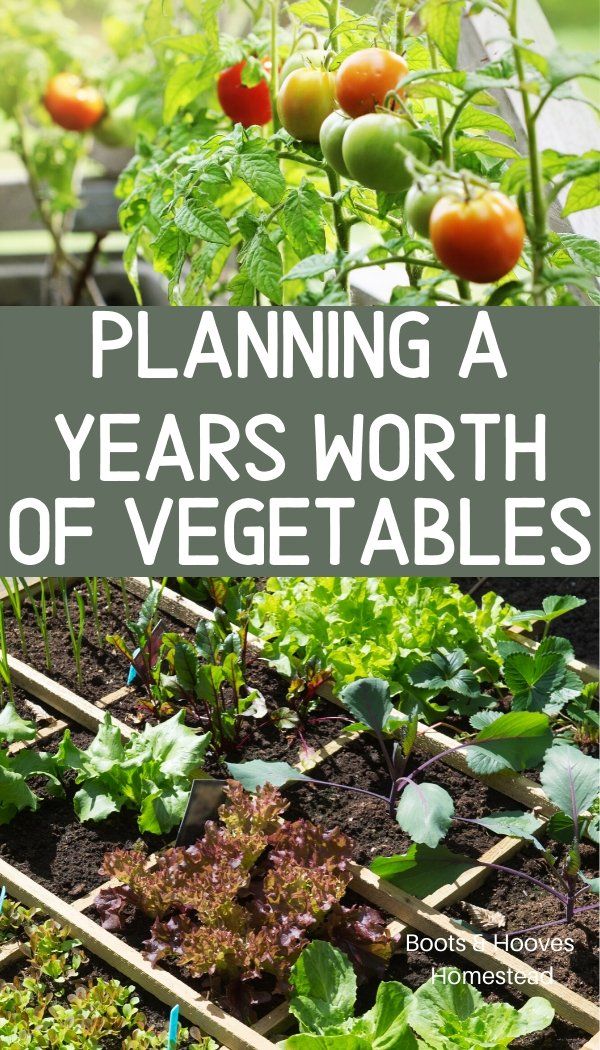
If you dream of early spring harvests, starting certain seeds indoors during winter gives you a head start on the growing season. Hardy herbs, onions, and flowers can be sown on a sunny windowsill or under grow lights while snow still dusts the ground. When you time these indoor starts to align with your last frost date, transplanting outdoors becomes a smooth transition rather than a shock. This proactive approach helps you refine your answer to what time of year should i start my garden by turning the off season into an active preparation period.
As you plan each new season, remember that the ideal timing is not a fixed rule but a flexible framework you can adjust with experience. Observe how your plants respond, keep notes on what worked, and adjust your schedule so it fits your climate, your crops, and your life. When you match your garden calendar to the specific conditions in your yard, you build a rhythm that feels sustainable and genuinely rewarding. Approaching your garden with this mindset lets you start at the right time, grow with confidence, and enjoy fresh harvests season after season.
Related Articles

When to Plant Broad Beans: Ultimate Timing Guide
Understanding what time of year to plant broad beans is essential for a generous harvest of sweet, tender pods. These classic cool season crops deliver early...
When to Start Garden Seeds Indoors in Wisconsin: Ultimate Timing Guide
Starting garden seeds indoors in Wisconsin is a rewarding way to get a jump on the short northern growing season, and knowing the right timing helps you grow...
When to Plant a Garden in the Northeast: Ultimate Seasonal Guide
Knowing when to plant garden in northeast regions sets the rhythm for a successful season, aligning your efforts with reliable frost dates and warming soil...

The Best Time to Plant Daisies: Ultimate Seasonal Guide
Understanding the best time to plant daisies is essential for any gardener who wants to enjoy their bright, cheerful flowers year after year. These classic...

The Ultimate Homestead Garden Guide What to Grow for Beginners
Starting a homestead garden is one of the most rewarding ways to increase your household resilience, cut grocery costs, and connect with the seasonal rhythm of...

The Ultimate Beginner's Guide to Starting Your Own Herb Garden
Starting an herb garden for beginners is an rewarding way to bring fresh flavor and calm into everyday life. Herbs are some of the most forgiving plants you...