Essential Spices for Your Kitchen The Ultimate Beginner Guide
Building a well stocked kitchen is one of the most empowering steps you can take toward healthier, more flavorful home cooking. The right collection of spices turns simple ingredients into vibrant meals, helping you rely less on processed options and expensive takeout. This guide walks through the essential spices every home cook should have, organized by how often you will reach for them and the flavors they bring to the table. Think of this as the foundational toolkit that makes everyday cooking intuitive, fast, and deeply satisfying.
Before diving into specific jars, it helps to understand the difference between spices and herbs, and how to keep them at their best. Spices come from bark, seeds, roots, or flowers, while herbs are usually the leafy parts of plants, yet both work together to build layers of aroma and taste. Storing them in a cool, dark place in airtight containers, labeling them with the purchase date, and replacing them every one to three years keeps their potency high so every dish reflects the flavors you intended.
Everyday Cooking Essentials
These are the workhorse spices that deserve a front and center spot on your shelf, used across cuisines and recipes. When you reach for a well seasoned pan, there is a good chance one of these flavors is leading the way. With just a few of these options, you can cover a huge range of dishes from breakfast to late night snacks.


Start with salt, the most important flavor enhancer you will ever use, because it amplifies natural tastes without adding new ones in most applications. Black pepper, freshly ground when possible, adds gentle heat and brightness that pairs beautifully with almost any savory plate. Alongside them, red pepper flakes give you quick heat, while paprika contributes both color and a mild, sweet smokiness that works in rubs, stews, and marinades.
Salt and Pepper Variations
While table salt is reliable, keeping a few other forms on hand lets you tailor seasoning to different techniques and textures. Kosher salt has larger flakes that are easy to pinch and control, making it ideal for everything from seasoning pasta water to finishing a steak right before serving. A small jar of fine sea salt is perfect for quick adjustments in sauces or dressings, where you want it to dissolve almost instantly.


For black pepper, a dedicated grinder preserves volatile aromatics that diminish quickly in pre ground containers. If you enjoy a little more complexity, you might also keep crushed red pepper or a milder chili powder for dishes where heat should support rather than dominate. These variations ensure that your salt and pepper corner can handle weeknight dinners and more thoughtful, restaurant inspired plates alike.
Paprika and Chili Flakes
Paprika deserves special attention because it quietly bridges sweet and smoky profiles in countless dishes. A spoonful stirred into scrambled eggs, roasted potatoes, or a slow cooked braise adds depth without overwhelming other ingredients. Chili flakes, on the other hand, give you an immediate way to turn a simple tomato sauce or soup into something vibrant, while still letting you control the intensity by how much you shake in.
By mastering these everyday essentials, you already have the foundation to cook with confidence across a wide range of cuisines. The next step is expanding into bolder, more distinct spices that define specific culinary traditions, allowing you to explore new dishes without feeling overwhelmed by a sea of rarely used jars.


Global Pantry Building Blocks
Once you are comfortable with the basics, expanding into spices associated with particular cuisines opens the door to an entirely new level of creativity. These flavors invite you to experiment with marinades, rubs, and seasoning blends that instantly transport a plate to another region. You do not need a huge collection to start; a few well chosen spices can cover multiple dishes from different parts of the world.
Cumin brings earthy warmth to chili, taco seasoning, and many bean based dishes, while coriander adds a subtle citrusy note that brightens soups and stews. Dried oregano and dried thyme are the backbone of classic herb blends, pairing beautifully with roasted vegetables, grilled meats, and slow cooked sauces. A small supply of these spices means you can spin up a simple weeknight meal with layers of complexity rather than relying on one note flavors.
Cumin and Coriander
Cumin is a powerhouse spice that loves hot, dry heat, so toasting it briefly in a dry pan before grinding releases more of its aromatic oils. It works beautifully in ground beef for tacos, in spiced lentil dishes, and even dusted on roasted carrots. Coriander, especially when used in combination with cumin, provides a more delicate, slightly sweet flavor that complements bright tomato sauces and citrus marinades.


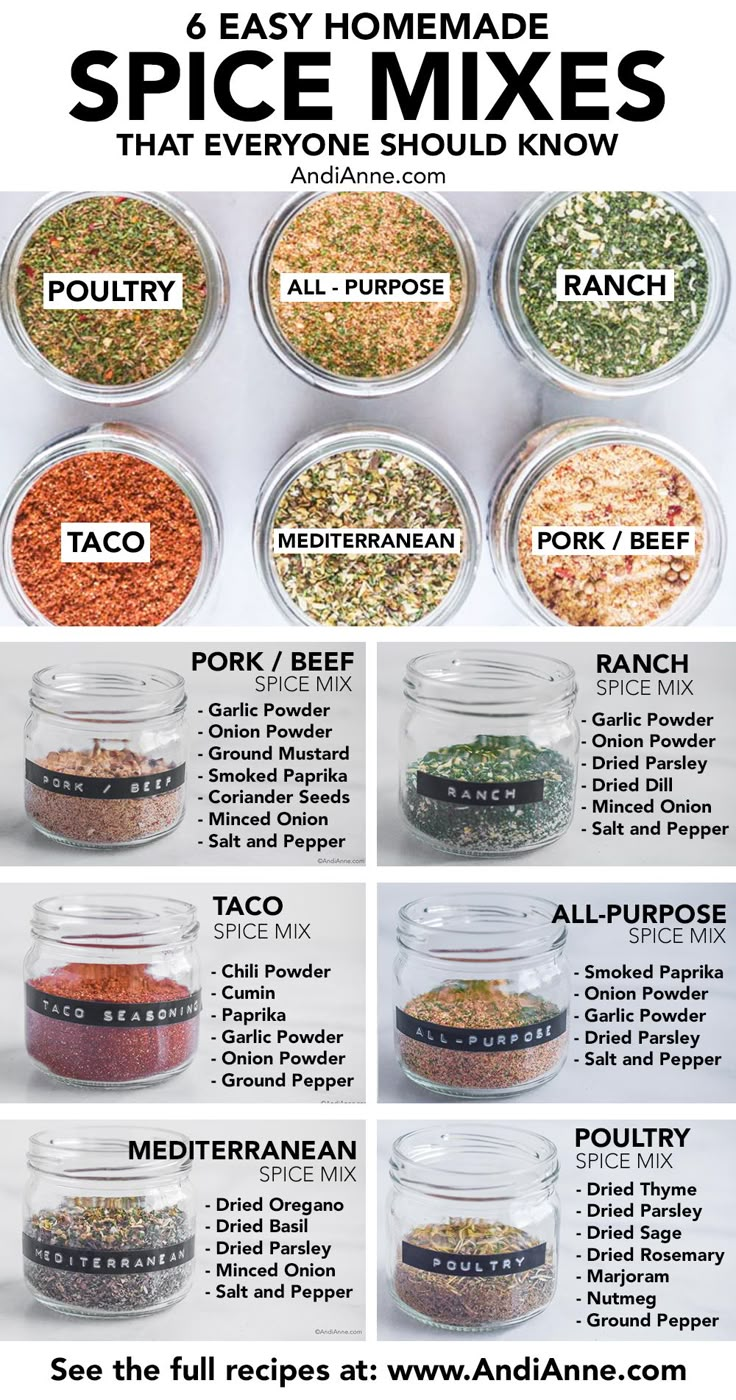


For cooks who enjoy smoky depth, a modest stash of chipotle powder or smoked paprika is invaluable, because a pinch can mimic the flavor of slow roasted peppers in a fraction of the time. You will find these spices quietly enhancing beans, braises, and even homemade salad dressings, proving that global pantry building blocks can be both approachable and endlessly versatile.
Dried Oregano and Thyme
Dried oregano delivers a pungent, slightly bitter character that is a must for tomato based sauces, Greek style marinades, and rustic roasted potatoes. Thyme, on the other hand, offers a more subtle, earthy profile that holds up well in long simmering dishes like stews, soups, and braised meats. Together, they form a dependable duo that bridges Italian, French, and rustic American cooking traditions.
By integrating these global pantry building blocks into your everyday cooking, you gain the ability to dress up weeknight meals and also tackle more ambitious recipes with confidence. As your skills grow, you will naturally gravitate toward the spices that resonate with your tastes, making your kitchen uniquely your own.
Specialty and Finishing Spices
Beyond the everyday essentials and global building blocks, a small selection of specialty spices can elevate dishes from good to memorable. These are often used in smaller doses, either as part of a carefully crafted rub or as a final flourish that adds aroma and visual appeal. They reward curiosity and give you room to refine dishes until they feel truly special.
Turmeric contributes a vivid golden hue and an earthy, slightly peppery flavor that shines in curries, rice dishes, and wellness focused soups. A little ginger, used either freshly grated or in ground form, brings bright, spicy warmth to desserts as well as savory meals, while cinnamon bridges sweet and savory applications with surprising ease. Star anise, with its distinctive licorice note, is a powerful accent that works beautifully in braises and mulled drinks when used thoughtfully.
Turmeric and Ginger
Turmeric is at its best when it has a little fat and acid to balance its intense color and flavor, making it ideal for creamy sauces, coconut based curries, or even golden hummus. Fresh ginger adds a lively zing that lifts stir fries, marinades, and baked goods, while ground ginger offers convenience for consistent results in quick weeknight meals.
When you use cinnamon, consider it both a spice and a bridge between dessert and savory cooking, because it can enhance roasted root vegetables as well as classic cakes and cookies. By introducing one or two of these specialty spices into your rotation, you keep your cooking fresh and layered without turning your pantry into an overwhelming maze of bottles.
Star Anise and Other Accents
Star anise brings a bold, sweet licorice flavor that is best used with restraint, often nestled in a stock pot for subtle depth or ground into a rub for grilled poultry. Other accents, such as fennel seeds or mustard powder, add gentle sweetness or pungency that can brighten sauces and dressings. These specialty spices work best when you have a clear idea of the flavor direction you want, rather than lingering forgotten in the back of the shelf.
Treat these spices as tools for refinement, using them to personalize dishes and showcase your preferences. A finishing sprinkle of smoked paprika, a dusting of turmeric on roasted cauliflower, or a hint of ginger in a smoothie can make your cooking feel thoughtfully crafted rather than routine.
Curating your spice collection is an ongoing process, because your palate will evolve as you cook more and explore new recipes. Start with the everyday essentials, add a few global building blocks that match the cuisines you love, and then sprinkle in specialty and finishing spices to express your personal style. Rather than chasing a perfect list, focus on keeping what you use most often fresh, visible, and ready to inspire your next meal.
Related Articles

Essential Spices for Your Cabinet: The Ultimate Kitchen Guide
Building a well-stocked kitchen starts long before you choose a recipe; it begins with the thoughtful curation of essential spices for your cabinet. The right...

Essential Power Tools For DIY Projects Your Ultimate Guide
Starting a DIY journey can feel exciting and overwhelming at the same time, especially when you try to figure out what power tools do I need for diy projects...

Essential Tools for Starting a Garden The Ultimate Beginner Guide
Starting a garden can feel exciting and a little overwhelming, but having the right tools makes the difference between frustration and flow. This guide walks...

Essential Spices for Your Pantry The Complete Kitchen Guide
Your kitchen is only as powerful as the pantry hidden behind the door, and spices are the quiet architects of everyday flavor. Building a well stocked spice...

Essential Tools to Build a Garden Bed: Your Step-by-Step Guide
Building a garden bed is one of the most rewarding projects a homeowner can tackle, transforming a simple patch of dirt into a thriving sanctuary for plants...

The Ultimate What to Get a Beginner Gardener Guide: Essential Tools and Tips
Starting a new hobby in gardening can feel exciting yet intimidating, especially when you are unsure which path to take. Choosing the right gear and mindset...