What Size Is a Small Apartment Stove Guide
Choosing the right cooking appliance for a compact kitchen often starts with understanding what size is a small apartment stove. Many people moving into smaller living spaces assume they need to sacrifice power and capacity, but that is not always the case. The dimensions of the unit, its burner output, and the oven capacity all play a role in defining the perfect fit. Knowing these details helps you make a practical choice that supports your daily routine without overwhelming your space.
When we talk about appliance dimensions, it is important to look at the standard kitchen layout in most modern apartments. Builders and designers often plan for a range that fits neatly between the counters, leaving enough room for prep work on either side. The goal is to find a balance where the stove feels like a natural part of the kitchen, rather than a bulky obstacle. This careful planning ensures that you can cook comfortably and move around the room with ease.
Defining the Small Size Category
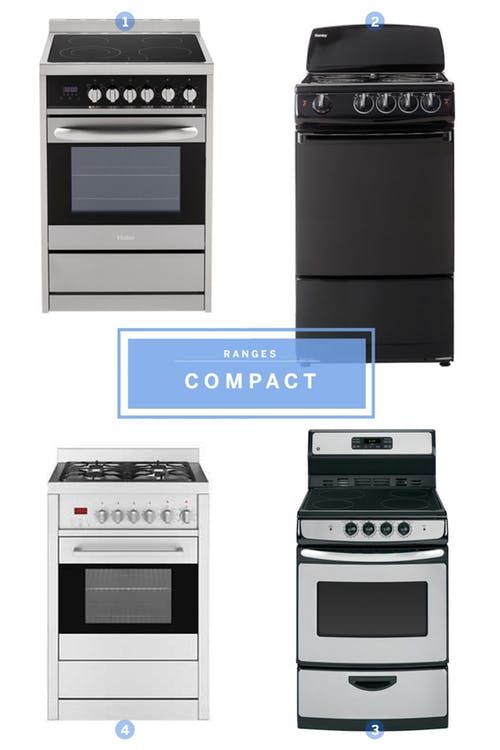
Understanding what size is a small apartment stove begins with looking at standard width measurements. Most compact ranges sit comfortably at 20 or 24 inches, which allows them to fit into tighter layouts. A 20-inch model is often ideal for galley kitchens or studio apartments where counter space is at a premium. Meanwhile, a 24-inch unit can still qualify as compact if the surrounding cabinetry is designed to match.


Compact Width Options
Manufacturers often label 20-inch ranges as half-size or apartment-ready because they use fewer resources while still delivering reliable performance. These models typically feature two or three burners, which is plenty for everyday meals such as simmering sauces or searing vegetables. Owners appreciate the smaller footprint because it leaves more room for a small dining table or additional storage in the kitchen.
Oven Capacity Considerations
Another critical factor in defining compact is the oven capacity, which usually ranges from 2.0 to 3.0 cubic feet in smaller models. While this might seem limited compared to full-size ovens, it is often sufficient for a small household that bakes occasionally or reheats leftovers. The key is to choose a configuration that matches your cooking habits rather than trying to fit the largest appliance possible.


Design and Layout Compatibility
Beyond pure measurements, the layout of your kitchen determines how a small stove integrates into the overall design. In many L-shaped or U-shaped kitchens, a compact range works well because it aligns neatly with existing cabinets. You also have to consider ventilation, as some smaller models require a slimmer range hood that fits above the burners without taking up too much headroom.
Installation and Clearance Requirements
Professional installation guidelines usually call for specific side and rear clearance to prevent overheating and ensure safe operation. These spaces allow air to circulate around the appliance, which helps protect nearby cabinets and walls from heat damage. Following these recommendations is essential, even in a small kitchen where every inch of space feels valuable.




Aesthetic Impact on the Space
The finish and handle style of a small apartment stove can dramatically change the atmosphere of the room. A sleek stainless steel model often gives the kitchen a modern, streamlined look that appeals to renters and homeowners alike. Alternatively, a matte black or white enamel finish can add a touch of personality while still blending seamlessly with the surrounding decor.
Performance and Efficiency Factors
While size is important, how the stove performs is equally crucial when deciding what size is a small apartment stove. Some compact models offer high-BTU burners that rival full-size ranges, allowing you to sear, boil, and simmer with equal confidence. This level of power ensures that you do not have to compromise on cooking techniques just because your kitchen is small.


Burner Configuration and Versatility
Look for a model that includes a combination of burner sizes, including at least one high-output element for tasks that require intense heat. A smaller simmer burner is also useful for gently cooking sauces or keeping soups warm without scorching. This variety gives you more control over the cooking process, even in a limited space.
Smart Features and Convenience
Small stoves today often include smart temperature sensors, timed shutoff, and easy-to-clean surfaces that simplify everyday cooking. These thoughtful details make the appliance more user-friendly, especially for people who are new to managing a compact kitchen. Choosing a model with intuitive controls can turn a tight layout into a highly efficient cooking environment.
Related Articles

How Big Should a Two Bedroom Apartment Be? Ideal Size Guide
Choosing the right size for a two bedroom apartment is essential for balancing comfort, functionality, and budget. Many people move into spaces that feel...

The Ultimate Guide to Making a Garden in an Apartment Small Space Green Oasis Tips and Ideas
Creating a garden in an apartment might sound challenging, but it is one of the most rewarding ways to bring life, color, and fresh air into your home. Even...

What Size Cattle Panel for Arch Trellis? Best Dimensions GUIDE
Choosing the right size cattle panel for an arch trellis is one of the most important decisions you will make for your garden project. Many people start with a...

What Size Should Wedding Place Cards Be SEO Guide Table Settings
Choosing the right size for wedding place cards is a detail that shapes the entire flow of your reception, balancing elegance with practical seating guidance...

What Is The Smallest Sliding Shower Door Size Guide
Finding the smallest sliding shower door involves balancing compact dimensions with structural integrity and smooth operation. For homeowners with tight spaces...

What Size Garden Bed Do I Need The Ultimate Guide To Finding The Perfect Fit
Choosing the right garden bed dimensions is one of the most important decisions you will make when starting a new garden, because it directly impacts how much...