Unlocking the Purpose of Pattern in Visual Art: Design Rhythm Explained
Every compelling image in visual art relies on an underlying structure that guides the viewer’s eye and mind, and that structure is often built upon a deliberate pattern. Understanding what is the purpose of a pattern in visual art reveals how artists create order, meaning, and emotional resonance within their work. Far from being mere decoration, a pattern serves as a foundational tool that shapes perception and reinforces the narrative behind a piece. By repeating lines, shapes, colors, or textures, artists establish a visual rhythm that transforms a random collection of elements into a cohesive, memorable composition.
From a design perspective, a pattern directs attention and organizes complex information in a way that feels intuitive and balanced. When you examine a piece through the lens of visual hierarchy, you begin to see how a pattern establishes a roadmap for the viewer, highlighting key focal points while subtly diminishing less important areas. This intentional arrangement not only enhances aesthetic appeal but also ensures that the message or mood of the artwork communicates efficiently without overwhelming the audience.
The Role of Order and Cohesion in Art
The primary purpose of a pattern in visual art is to establish order and cohesion, turning what could be chaotic or disjointed into a unified whole. In a painting, photograph, or digital illustration, random marks rarely resonate deeply, but when those marks repeat according to a discernible plan, they form a language that the eye and brain can easily read. This repetition creates a sense of stability, making the artwork feel deliberate, thoughtful, and complete.


Furthermore, cohesion achieved through pattern allows an artwork to transcend its individual parts, so that the whole becomes greater than the sum of those parts. Viewers respond to this completeness on an intuitive level, often describing a piece as “harmonious” or “balanced” without fully understanding why. That sense of harmony is the direct result of consistent visual patterns that tie together color palettes, shapes, and compositional lines, ensuring that every element contributes to the overall experience.
Establishing Rhythm and Movement
A powerful function of pattern is to create rhythm, much like the steady beat in music that keeps a song moving forward. In visual compositions, alternating colors, shapes, or lines can generate a tempo that guides the eye across the canvas or screen in a deliberate, often subconscious, way. This rhythmic quality invites the viewer to linger, encouraging them to explore the nuances of the artwork rather than passing over it quickly.


Movement is another critical outcome, as directional patterns can lead the eye from one corner of the frame to another, creating a journey through the piece. Curved lines may evoke a gentle, flowing passage, while sharp, angular repetitions can produce tension and urgency. By carefully designing these repeating motifs, artists control the speed and path of visual exploration, transforming a static image into a dynamic, almost narrative experience.
Building Visual Interest and Engagement
While balance and harmony are essential, an artwork must also capture and hold attention, and pattern is one of the most effective tools for achieving this. Subtle variations within a repeating motif can create micro-surprises that keep the eye engaged, preventing the composition from feeling static or monotonous. This interplay between repetition and variation is what makes patterned works both familiar and intriguingly complex.
Consider how a series of repeated forms can be slightly altered in size, color, or orientation to maintain interest without breaking the overall pattern. This thoughtful layering invites closer inspection, rewarding viewers who take the time to uncover the nuances hidden within the design. The result is an engaging piece that encourages deeper interaction and contemplation.


Communicating Themes and Emotions
Beyond structural and aesthetic functions, patterns carry symbolic weight, allowing artists to communicate themes and emotions with a depth that straightforward representation cannot always achieve. A recurring image of waves, for instance, might evoke the relentless passage of time, while a grid pattern could suggest order, confinement, or technological precision. The purpose of a pattern here extends into the realm of metaphor, turning visual repetition into a storytelling device.
Emotionally, patterns can soothe, agitate, or inspire depending on their complexity and flow. Soft, organic loops may create a calming, meditative state, whereas rigid, intersecting lines can generate anxiety or intensity. By choosing and manipulating specific patterns, artists align the viewer’s emotional state with the intended mood of the work, making the experience far more immersive and personal.
Cultural and Historical Symbolism
Many patterns draw from cultural and historical contexts, adding another layer of meaning that enriches the artwork. Traditional textiles, architectural motifs, and tribal symbols often carry centuries of significance, and when incorporated into contemporary art, they connect the new work to a broader human story. This layering of history can evoke pride, nostalgia, or a deeper understanding of shared heritage.

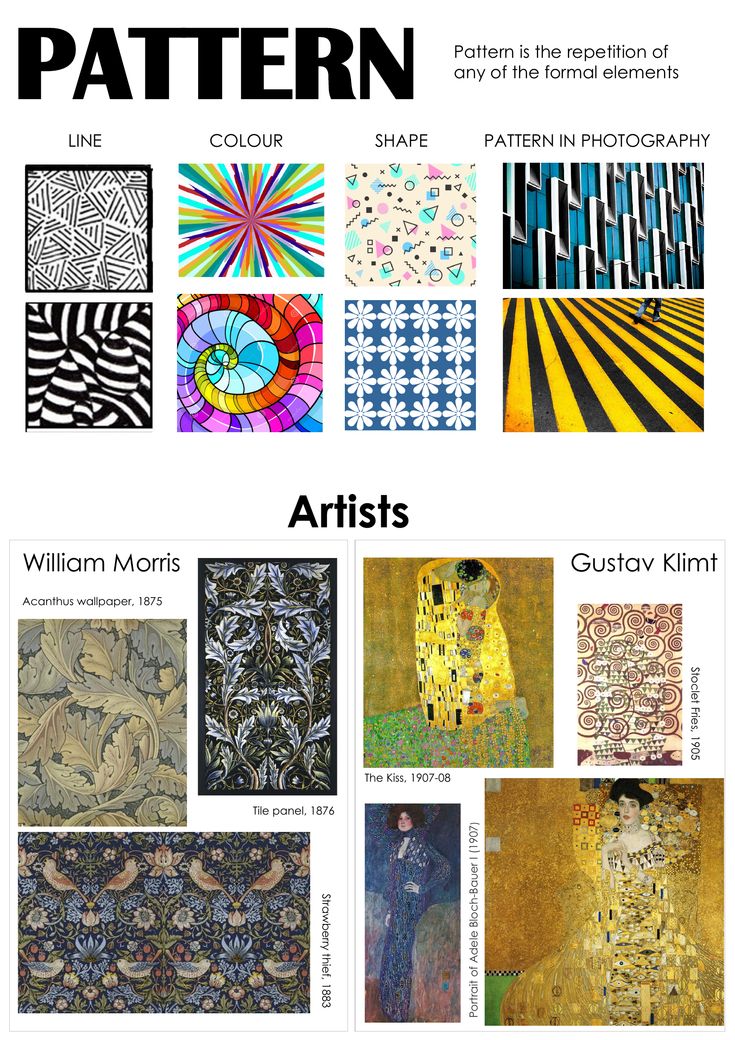


Artists frequently adapt these time-honored designs to comment on modern issues, bridging the past and the present. By doing so, they transform a simple decorative element into a powerful statement, using the familiarity of pattern to invite viewers into a dialogue about identity, culture, and continuity. The purpose of the pattern thus becomes a vessel for memory and commentary.
Evoking Atmosphere and Environment
Patterns also play a vital role in building atmosphere, whether they evoke the tranquil repetition of tree rings, the chaotic scatter of city lights, or the serene symmetry of snowflakes. Through these recurring motifs, an artist can transport the viewer to a specific place or emotional landscape without a single literal depiction. The work feels immersive, drawing the observer into a world constructed through visual rhythm.
This atmospheric quality is especially effective in abstract and landscape art, where patterns can hint at natural forces like wind, water, or growth. The repetition does not merely mimic nature; it distills its essence, allowing the viewer to feel the energy and mood of the environment. In this way, pattern becomes a bridge between the tangible world and the intangible feeling it inspires.
As you explore artworks with a keener awareness of these techniques, you may find yourself noticing how a pattern transforms simplicity into sophistication and raw emotion into structured expression. This heightened sensitivity not only deepens your appreciation but also inspires your own creative endeavors, whether you are an artist or an admirer of art. By recognizing the intention behind each deliberate repetition, you open the door to a richer, more connected visual experience that continues to reveal new layers over time.
Related Articles

What Is a Visual Search Pattern Defensive Driving:Master Safe Driving Techniques
Understanding what is a visual search pattern defensive driving starts with realizing how much information the human brain processes through the eyes every...

What Is Pattern Standard Deviation in Visual Field Understanding The Basics
Pattern standard deviation in visual field is a key statistical measure that helps eye care professionals understand the consistency of your visual responses...

Master PowerPoint Themes: Complete Visual Design Guide
In the world of business presentations, education, and internal meetings, the question of what are themes in powerpoint often arises as a foundational concept...

Master What Is an Orderly Visual Search Pattern and How Do You Use It
An orderly visual search pattern is a structured method you use to scan your environment in a consistent and efficient way, reducing the chance you miss...

What Is Visual Pattern: The Ultimate Guide to Understanding Visual Patterns
Visual pattern refers to the repeated or organized arrangement of shapes, colors, lines, or textures that the human eye can easily recognize and interpret...

Why Do We Need a Hood Over a Stove? The Complete Purpose Explained
Every kitchen relies on a few essential components that quietly make everyday cooking both safe and comfortable, and the simple hood over your stove plays a...