The Best Way to Store Tools: Ultimate Organization Solutions
Keeping your tools organized is essential for any workshop, whether it is a compact garage or a professional industrial space. A clear storage strategy saves time, reduces frustration, and protects your investment in quality equipment. This guide explores practical methods to answer the question of what is the best way to store tools so you can work more efficiently.
When you consider what is the best way to store tools, you must think about access, protection, and visibility. The best system allows you to reach the right instrument quickly while keeping everything secure from damage or theft. By tailoring the layout to your specific workflow and the types of tools you use, you turn storage from a chore into a strategic advantage.
Customized Layout and Dedicated Zones
The foundation of any great storage system is a layout that matches how you actually work. Placing frequently used tools at eye level and within easy reach reduces wasted motion and keeps your momentum going. You should group similar items together, so all drilling equipment is in one zone and cutting tools are in another, which streamlines the process of finding what you need.


Establishing dedicated zones for specific trades or projects is another critical factor in determining what is the best way to store tools. If you service HVAC units, keeping refrigerant gauges and manifold sets in a marked area ensures they are ready for immediate deployment. This logical separation prevents cross-contamination of toolsets and makes it easy for anyone in your team to return items to the correct spot.
Wall-Mounted Systems and Pegboard Organization
Utilizing vertical space with wall-mounted rails and pegboard is often the answer to what is the best way to store tools in a small area. By hanging tools on rails, you free up bench space and keep essential instruments visible and accessible. You can rearrange the hooks and holders as your inventory changes, maintaining an adaptable system that grows with your needs.


For hand tools like screwdrivers, wrenches, and pliers, pegboard with specialty hooks provides a clean, transparent layout. Each tool has its own designated hook, which makes it immediately obvious if something is missing. This visual inventory system reduces downtime and eliminates the tedious search for a specific socket or hammer.
Cabinet and Chest Storage for Smaller Components
While open wall storage is ideal for large tools, you need secure cabinets and chests to answer what is the best way to store tools that are small, sharp, or prone to rust. Sliding drawers allow you to organize screwdrivers, chisels, and drill bits by size or function, protecting their edges from dulling. Clear drawer fronts or labeled inserts mean you can identify the correct component at a glance without opening every compartment.
Cabinets also protect sensitive tools from dust, moisture, and accidental damage, extending their lifespan. Having a locked section for expensive or highly specialized equipment adds a layer of security for your workshop. This combination of open and closed storage ensures that everything—from a delicate torque wrench to a bulky saw—has the appropriate environment.


Specialized Protection and Climate Control
For precision instruments, the conversation about what is the best way to store tools must include climate considerations. Humidity can cause metal to corrode and wood to warp, so storing sensitive items in a climate-controlled environment is a wise long-term strategy. Using dehumidifiers or silica gel packs inside storage cabinets can prevent rust on fine blades and measuring surfaces.
Custom foam inserts and protective cases are vital for transporting and storing fragile tools without risk of impact damage. These inserts lock the instruments in place, preventing movement that could cause nicks or misalignment. Investing in these protective solutions preserves the accuracy and value of your equipment, especially for handheld electronics or calibration devices.
Power Tool Maintenance and Battery Storage
Power tools require specific attention when determining what is the best way to store tools that rely on batteries and electronics. You should always remove batteries before long-term storage to prevent acid leakage and corrosion inside the device. Keeping batteries in a cool, dry place at partial charge helps maintain their health and longevity, ensuring they are ready when needed.


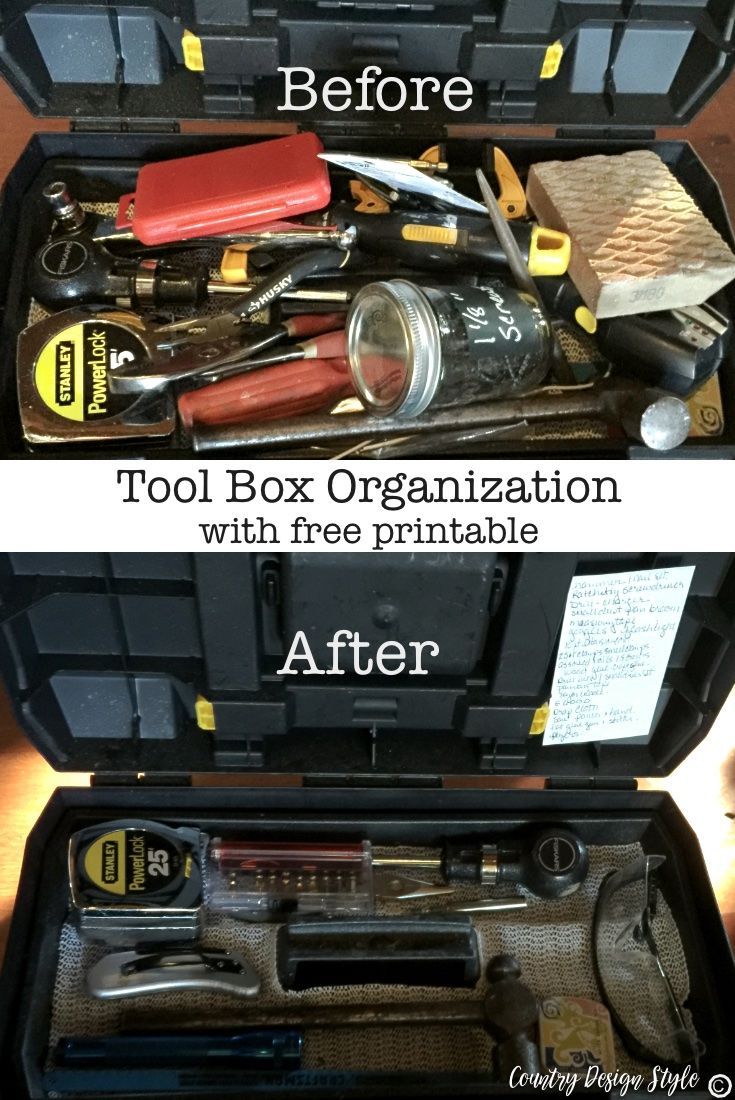


Storing cordless drills and saws in a dedicated hanging cradle or case protects the motor and chuck. This practice prevents cables from tangling and guards the device from accidental drops. Proper handling of power equipment not only maintains performance but also supports workplace safety by ensuring tools are in optimal condition.
Labeling and Inventory Management Systems
A storage system is only as good as its organization, which makes labeling a non-negotiable aspect of what is the best way to store tools. Durable tags on drawers, cabinets, and shelves reduce the time spent searching for specific items and help maintain order. Whether you use a simple handwritten label or a digital barcode system, consistency is the key to long-term success.
Implementing a digital inventory tracker allows you to monitor tool usage and know when to replace worn equipment. By logging when items are taken and returned, you can identify patterns and adjust your storage layout for better workflow. This data-driven approach turns maintenance into a proactive habit rather than a reactive task.
Ultimately, the ideal setup depends on your space, budget, and the specific tools you rely on every day. A well-thought-out combination of open racks, secure cabinets, and climate protection creates an environment where tools are protected and readily available. By regularly reviewing and adjusting your methods, you ensure that your workspace remains efficient, safe, and ready for any project that comes your way.
Related Articles
20 Clever Ideas to Store Garden Tools in Garage Organization Solutions
Keeping your garden tools organized in the garage protects them from the elements and saves you time searching for the right implement when you need it most. A...

What Grows Best in Zone 6a: The Ultimate Guide
Understanding what grows best in zone 6a is the essential first step for any gardener seeking a thriving and productive outdoor space. This specific hardiness...

Best What To Use To Cover A Glass Door Solutions Ideas
Choosing the right solution to cover a glass door depends heavily on your specific goals, whether you are aiming for privacy, safety, or pure decoration. Glass...

The Ultimate Guide to the Best Gift for Mother's Day: Top Ideas
Choosing the perfect present for Mother’s Day can feel intimidating, because the gesture represents far more than the object itself. Moms often pour their...

The Best Time to Plant Daisies: Ultimate Seasonal Guide
Understanding the best time to plant daisies is essential for any gardener who wants to enjoy their bright, cheerful flowers year after year. These classic...

The Ultimate Guide to the Best Interior Paint Color to Sell Your House Faster
Selling a house fast for top dollar often comes down to the colors you paint the walls before buyers walk through the door. The best interior paint color to...