What Is the Legal Temperature for Apartments in Winter? Stay Warm & Save Money
During the cold months, many residents quietly wonder what is the legal temperature for apartment in winter, especially when faced with high energy bills or an unexpectedly chilly bedroom. Understanding the rules that protect renters from excessive cold is essential for maintaining health, comfort, and peace of mind. These regulations vary significantly depending on where you live, but they generally establish minimum standards that landlords must meet to provide a safe living environment. This guide breaks down the key concepts, common thresholds, and practical steps you can take if your home feels too cold.
While specific numbers can differ by municipality, the core principle remains consistent across most regions: landlords are required to maintain a habitable temperature that is safe and reasonable for occupants. This legal obligation is often tied to broader housing codes that address heating, insulation, and ventilation. Knowing the baseline expectations helps you determine whether your situation falls outside acceptable norms and whether you need to escalate the issue. Below, we explore the general frameworks that define comfortable and compliant indoor conditions during the heating season.
General Heating Requirements and Habitability Standards
Most legal systems define a minimum indoor temperature that must be maintained regardless of outdoor conditions, focusing on the principle of habitability. This standard is often broad, referring to a temperature that is comfortable and safe for residents, rather than a single fixed number like 68°F. The emphasis is on providing adequate warmth to prevent health risks, particularly for vulnerable individuals such as children, elderly people, and those with respiratory conditions. Landlords typically bear the responsibility for ensuring the heating system is functional and that the property retains heat effectively.


In practice, this means that the legal temperature for apartment in winter is often interpreted through the lens of "reasonable warmth" rather than a rigid thermostat setting. Housing codes frequently require that living rooms and bedrooms be kept at a temperature that supports normal living activities, usually acknowledged to be in a range that feels comfortable to a person wearing typical indoor clothing. If a home is excessively cold to the point where daily routines are impacted, this may constitute a violation of the implied warranty of habitability, giving tenants grounds to seek remedies. Understanding these principles is the first step in assessing your specific situation.
Common Temperature Thresholds in Building Codes
Many local jurisdictions adopt specific numerical thresholds in their building or housing codes, even if the broader legal standard is described in general terms. A frequently cited baseline for occupied spaces during the daytime is around 20 to 21 degrees Celsius, which is approximately 68 to 70 degrees Fahrenheit. For nighttime, especially in bedrooms, a slightly lower temperature range of roughly 18 to 20 degrees Celsius, or about 65 to 68 degrees Fahrenheit, is often recommended for comfort and energy efficiency. However, the legal minimum is usually defined as a temperature that prevents pipes from freezing and ensures occupants can maintain body heat without additional layers.


These thresholds are rarely absolute and can be influenced by factors such as the age of the building, its insulation quality, and the type of heating system installed. Some regions explicitly state that habitable rooms must not fall below a certain number of degrees Celsius, often around 18 or 19 degrees Celsius, when measured at a normal living height. It is important to check your local municipal code, as these are the documents that inspectors and housing authorities use to determine compliance. While comfort is subjective, the law tends to focus on preventing conditions that are hazardous or detrimental to well-being.
Responsibilities of Landlords and Tenants
The legal framework usually places the primary responsibility for providing and maintaining heat on the landlord, particularly the infrastructure such as boilers, radiators, and main ductwork. This includes ensuring the system is properly serviced and capable of delivering heat to all rooms. Tenants, on the other hand, are generally responsible for operating the thermostat in good faith and taking reasonable steps to prevent heat loss, such as keeping windows closed and using weather stripping. Clear communication between both parties is vital to avoid misunderstandings about who is responsible for specific issues.
If a heating system breaks down due to normal wear and tear, the landlord is typically obligated to make repairs promptly to restore a safe temperature. Tenants should document the issue, often in writing, and allow a reasonable time frame for the landlord to address it before considering more formal actions. Understanding these roles helps ensure that the apartment remains a warm and legally compliant environment throughout the winter months. A well-maintained heating system benefits both the tenant's comfort and the landlord's property value.


Practical Implications and Enforcement Mechanisms
Knowing the legal temperature for apartment in winter is only useful if you can effectively address deviations from the standard. If you suspect your home is below the acceptable threshold, the first step is to verify the actual temperature using a reliable thermometer, ideally in the main living area. This provides concrete data that can be used when discussing the issue with your landlord or housing authority. Many problems can be resolved quickly once the problem is clearly identified and documented, avoiding the need for more drastic measures.
Tenants who face persistent cold conditions have several recourse options, depending on local laws. These may include withholding rent into an escrow account, requesting a reduction in rent to reflect the diminished value of the property, or formally repairing the issue and deducting the cost from future rent. However, these actions often require strict adherence to procedural rules, such as providing formal notice and following specific timelines. Consulting with a tenant rights organization or a legal professional can clarify the best approach in your specific jurisdiction.
Health and Safety Considerations
Beyond legal compliance, maintaining an appropriate indoor temperature is critical for health and safety during the winter. Exposure to cold indoor environments can lead to a range of issues, from worsened arthritis and respiratory problems to increased risk of hypothermia, particularly for the elderly and very young. Pipes are also at risk of freezing and bursting when temperatures drop significantly, potentially causing severe water damage. Therefore, even if the legal minimum is debated, setting your thermostat to a reasonable warmth is a prudent health decision.


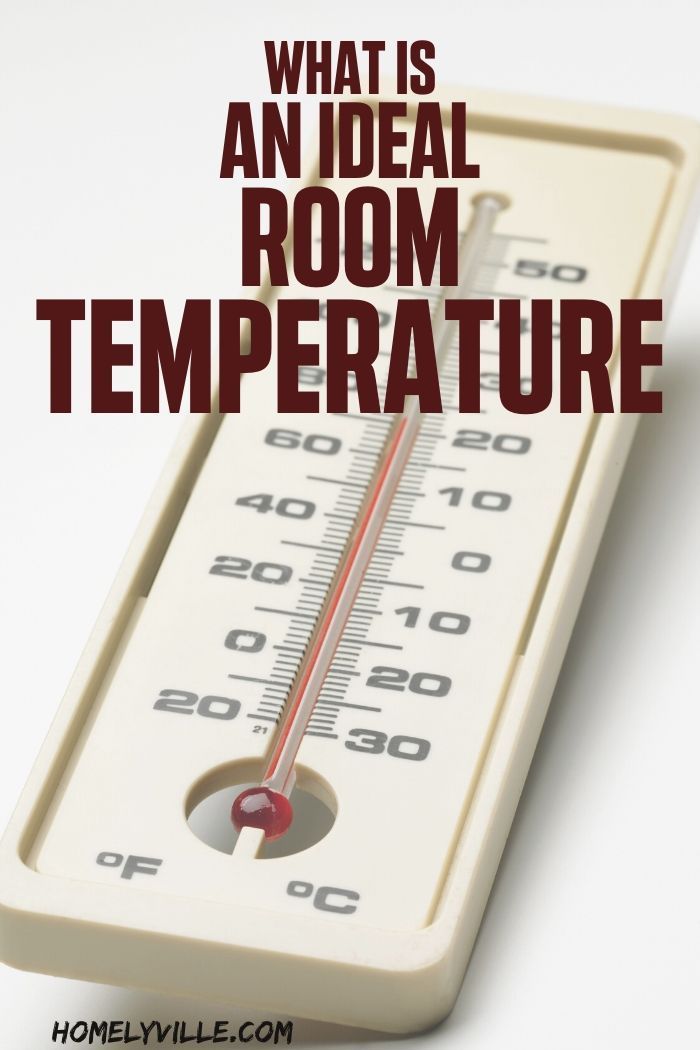


Proper insulation and weatherization play a huge role in achieving and sustaining a comfortable legal temperature for apartment in winter. Drafty windows, gaps around doors, and insufficient attic insulation can undermine even the most powerful heating system. Investing in affordable fixes like draft stoppers or thermal curtains can significantly improve comfort and reduce energy consumption. These improvements create a more stable indoor climate, making it easier to maintain a consistent and healthy environment.
Regional Variations and Local Ordinances
It is crucial to recognize that regulations can differ dramatically from one city to the next, and sometimes even between neighborhoods within the same city. Some progressive municipalities have enacted stringent energy efficiency and heat retention standards that go above the state or national baseline. These local ordinances might specify exact temperature ranges for different times of the day or include requirements for tenant notifications about heating responsibilities. Always research the specific rules that apply to your rental property to ensure full compliance.
Landlords operating in areas with harsh winters are often held to a higher standard, with laws designed to prevent dangerous living conditions. Tenants in newer buildings with modern HVAC systems may experience fewer issues than those in older, poorly maintained structures. Understanding the local context allows you to have more informed conversations about your rights and obligations. Checking your city's housing department website is an excellent way to access the most current information.
Ultimately, navigating the rules surrounding indoor warmth requires a balance of legal knowledge, practical action, and open communication. By familiarizing yourself with the general standards and specific requirements in your area, you can take proactive steps to ensure your apartment remains a comfortable and legally compliant space throughout the cold season. Staying informed empowers you to advocate for your well-being and collaborate effectively with your landlord to resolve any heating concerns that arise.
Related Articles

What Is the Legal Temperature for Apartments in Summer? Stay Cool & Save Energy
Knowing the legal temperature for apartment in summer is essential for comfort, health, and protecting your rights as a renter during heat waves and hot...
What Temperature Should My Apartment Be in the Winter Ideal Winter Thermostat Settings
Determining the ideal what temperature should my apartment be in the winter is a common concern for many renters aiming to balance comfort with energy bills...

Ideal Air Conditioner Temperature For Electricity Savings Save Money Cooling Guide
Choosing the right air conditioner temperature is one of the simplest ways to stay comfortable while significantly reducing your electricity bills during hot...

What to Wear to an Outdoor Party in Winter: Warm & Stylish Outfits
Planning what to wear to an outdoor party in winter means balancing warmth with style so you can enjoy the celebration without shivering. Cold evening air...

What Temperature Should My Apartment Be For My Cat SEO Guide
Knowing the ideal temperature for your cat ensures their comfort, health, and safety, especially since they rely on you to manage the indoor environment. Cats...

What Shoes to Wear to an Outdoor Winter Wedding Warm Stylish Guide
Choosing the right footwear for an outdoor winter wedding can feel overwhelming when you balance style with practical comfort. Cold ground, potential rain, and...