The Ultimate Guide to Contemporary Style Interior Design Trends
Contemporary style interior design represents a fluid approach to modern living that balances clean lines with a sense of comfort and personal expression. It is less about rigid rules and more about how current trends can harmonize with your individual taste to create a space that feels both up to date and timeless. This design philosophy embraces a curated mix of materials, a restrained yet sophisticated color palette, and an emphasis on function without sacrificing visual warmth. Understanding the core principles allows homeowners to transform their houses into environments that feel both inviting and intellectually satisfying.
At its heart, contemporary style is about the present moment, drawing inspiration from the latest advancements in architecture, art, and technology while remaining adaptable to future shifts in taste. Unlike strictly modern design, which can sometimes feel cold or historical, contemporary interiors often incorporate organic shapes and natural elements to soften the aesthetic. The goal is to achieve a balanced environment that feels current yet not fleeting, ensuring that the space remains relevant and enjoyable for years to come. This adaptable nature makes it a popular choice for homeowners who want a space that evolves with them.
Key Principles and Aesthetic Foundations
The foundation of contemporary style lies in a commitment to simplicity, where every object in a room should serve a purpose or provide visual value. This design approach minimizes unnecessary clutter, creating a sense of calm and order that is essential for a serene home environment. Emphasis is placed on clean geometric forms, open floor plans, and a deliberate use of negative space to allow the architecture of the room to breathe. These principles work together to establish a visual framework that is both sophisticated and easy to live with.


Another critical characteristic is the thoughtful integration of natural light and a restrained material palette. Contemporary designs often feature large windows, reflective surfaces like glass and polished metal, and neutral base colors that act as a backdrop for statement pieces. Textures become important in this context, adding depth without introducing visual noise. The combination of light, space, and material quality results in an atmosphere that feels airy, elegant, and meticulously considered.
Minimalist Functionality
Minimalist functionality is a driving force behind contemporary interiors, ensuring that spaces are not only beautiful but also highly efficient. This involves strategic storage solutions, multi-functional furniture, and a clear layout that guides movement intuitively. By prioritizing utility, the design supports a lifestyle that is streamlined and free from the distraction of excessive objects or furniture. The result is a room that feels larger, more organized, and easier to maintain.


In practice, this means choosing pieces with clean silhouettes and hidden compartments, avoiding ornate details that collect dust. Every item, from a sofa to a light fixture, is selected for its form following function approach. This does not mean the space feels sterile; rather, it feels curated and intentional, where each element earns its place by contributing to the overall sense of order and ease.
Neutral Palette with Accents
A neutral palette forms the backbone of most contemporary schemes, utilizing shades of white, beige, gray, and soft taupe to create a cohesive and calming backdrop. These colors act as a canvas that allows art, textiles, and architectural features to stand out without competing for attention. The use of a limited color family ensures a sense of harmony throughout the home, making different rooms feel connected yet distinct.
To prevent the look from becoming too subdued, designers incorporate bold accents through artwork, a single vibrant chair, or a statement light fixture. These pops of color are carefully curated to add personality and energy to the space. The balance between the serene neutrals and the intentional accents is what gives contemporary design its dynamic and engaging character.


Materials, Technology, and Spatial Planning
The selection of materials in contemporary design leans toward the natural and the industrial, mixing elements like stone, concrete, and raw wood with polished steel and glass. This juxtaposition creates visual interest and a tactile experience that grounds the space in the present. The combination of warm woods and cool metals, for example, adds layers of complexity while maintaining an overall sense of sleekness and refinement.
Technology integration is also a hallmark of this style, with smart home systems playing a key role in modern convenience. Hidden speakers, automated lighting, and climate control systems are seamlessly woven into the design to enhance functionality without disrupting the clean aesthetic. This focus on innovation ensures that the home operates efficiently and aligns with how people live today.
Spatial Flow and Open Concepts
Contemporary style relies heavily on open floor plans that dissolve barriers between living, dining, and kitchen areas. This spatial flow creates a sense of expansiveness and encourages interaction among family members and guests. By removing unnecessary walls, the design allows natural light to travel deeper into the home, enhancing the feeling of openness and connectivity.


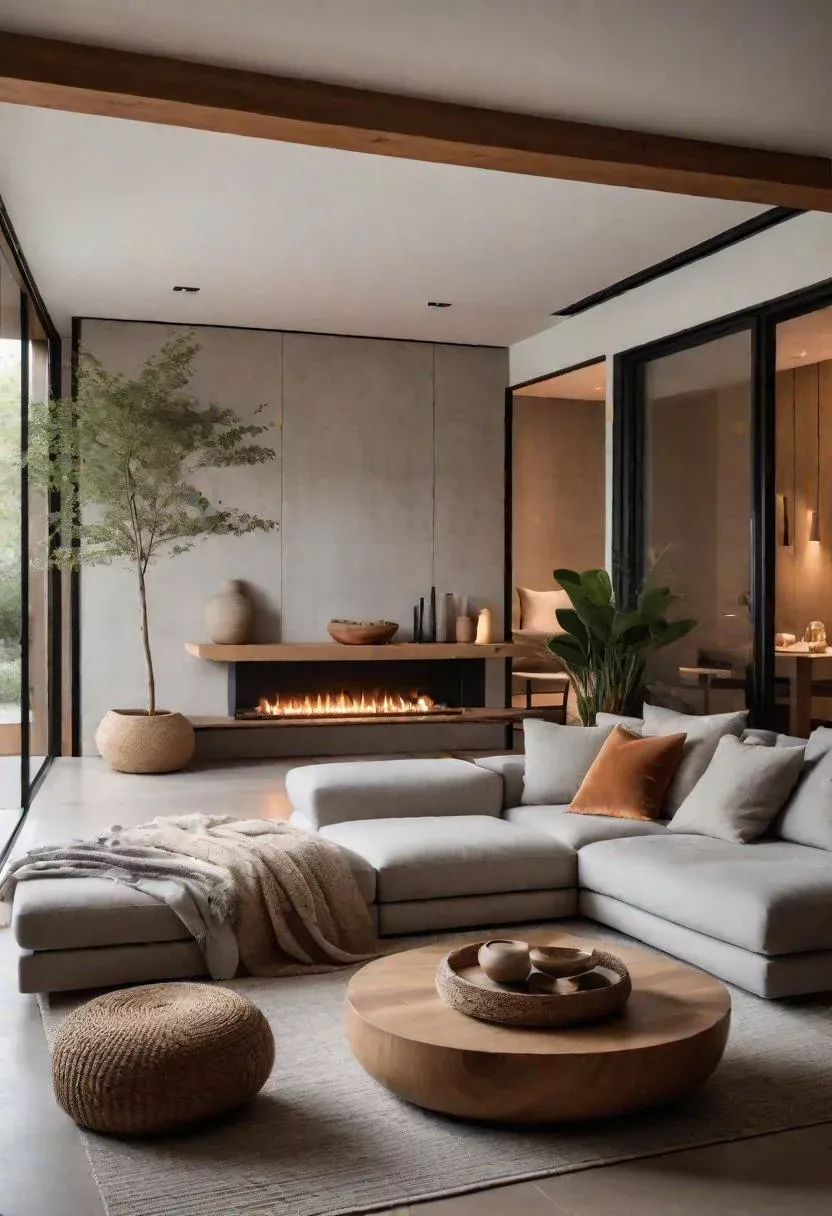


Within these open spaces, careful zoning is essential to define different functional areas. This can be achieved through the strategic placement of furniture, area rugs, or subtle changes in ceiling height. The result is a home that feels unified yet purposeful, where each zone has a clear identity while contributing to the overall flow of the space.
Art and Statement Lighting
Artwork and statement lighting serve as the exclamation points in a contemporary setting, injecting personality and drama into an otherwise restrained environment. Large-scale abstract paintings, photographic prints, or sculptural pieces become focal points that reflect the homeowner's taste. These art pieces are often displayed with generous negative space, allowing them to breathe and command attention.
Lighting fixtures in contemporary interiors are designed to be both functional and sculptural. Pendant lights with clean lines, sleek floor lamps, and minimalist sconces provide illumination while acting as pieces of industrial art. The right lighting not only enhances visibility but also sets the mood, highlighting textures and finishes within the space.
Ultimately, embracing contemporary style interior design is about creating a home that feels both current and deeply personal, adapting to the rhythms of modern life. By focusing on clean lines, quality materials, and a balance of openness and comfort, you can cultivate an environment that supports your daily needs and inspires you long after the initial design phase. Allow your space to remain flexible, evolving as you discover new ways to express your style within this timeless aesthetic.
Related Articles

What Is Rustic Design Style: The Ultimate Guide to Cozy Chic
Rustic design style captures the warmth and authenticity of countryside living, turning a house into a lived-in home. This aesthetic draws inspiration from...

Hygge Style Interior Design Cozy Aesthetic Trends
Hygge style interior design is a cozy aesthetic rooted in Danish traditions that emphasizes comfort, warmth, and a deep sense of contentment in the home...

Modern Contemporary House Design: Ultimate Guide To Stylish Living
Modern contemporary house design represents a fluid approach to living that balances clean lines with a deep connection to the surrounding environment. It...

The Ultimate Guide to What to Wear for a Hippie Costume: Boho Chic Festival Style
Planning a hippie costume is a fun way to celebrate the free-spirited fashion of the 1960s and 70s. This guide helps you capture the effortless, colorful vibe...

What Is a Bypass Door: The Ultimate Guide to Understanding This Smart Space-Saving Design
A bypass door is a type of interior door system where one panel slides past another panel on a specialized track, creating a clean and efficient opening...

The Ultimate Guide to the Best Interior Paint Color to Sell Your House Faster
Selling a house fast for top dollar often comes down to the colors you paint the walls before buyers walk through the door. The best interior paint color to...