What Is a Reasonable Temperature for a House: Ideal Home Heat Settings
Choosing the right temperature for your home is one of those everyday decisions that significantly impacts comfort, health, and even your monthly energy bill. Most people set their thermostat on autopilot, rarely questioning whether the number on the display truly represents a reasonable temperature for their specific lifestyle and season. The reality is that there is no single magic number that fits every house, but understanding the factors that make a temperature feel just right can transform your daily environment.
What feels reasonable to one person might feel frigid or stifling to another, which is why the concept revolves around balancing personal comfort with efficiency and safety. This guide will walk you through the ideal ranges for different scenarios, the science behind thermal comfort, and practical tips for adjusting your settings room by room. By the end, you will have a clear framework for deciding what temperature your home should be, ensuring that every room supports your well-being and budget.
Understanding Seasonal Temperature Ranges
The primary guideline for a reasonable temperature in a house varies dramatically between heating and cooling seasons. During the winter months, when the goal is to retain warmth and reduce the strain on your heating system, a range of 68 to 70 degrees Fahrenheit is widely recommended as the optimal balance of comfort and energy savings. In the summer, when the challenge is removing heat and humidity, a range of 72 to 76 degrees Fahrenheit provides a cool yet efficient environment that prevents your air conditioner from overworking.


These ranges are not rigid laws but rather starting points based on efficiency and general human comfort. Energy experts often highlight that adjusting your thermostat by just a single degree can result in noticeable savings on your utility bill over a month. Finding the sweet spot within these ranges requires a bit of experimentation, taking into account factors like humidity levels, insulation quality, and how your body responds to the climate indoors.
Winter Efficiency Strategies
Lowering the thermostat a few degrees while you sleep or when you are away from home is one of the most effective energy-saving strategies. This practice leverages the fact that your heating system does not need to work as hard to maintain a slightly cooler environment, reducing wear and tear on the equipment. For instance, setting the temperature to 65 degrees Fahrenheit during the night or when the house is empty is a reasonable temperature for conserving energy without sacrificing morning warmth.

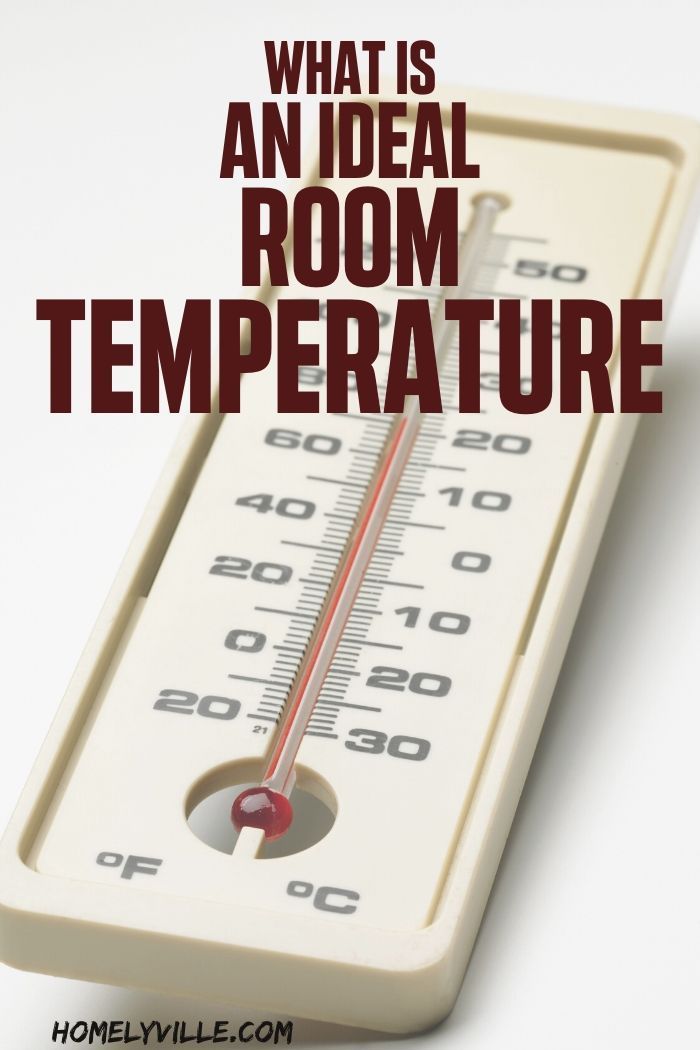

Programmable and smart thermostats are invaluable tools for automating these adjustments, allowing you to create a schedule that aligns with your routine. With a smart system, you can ensure that your home warms up gradually before you wake up or return, maintaining comfort precisely when it is needed. This automation eliminates the guesswork and ensures that your winter comfort settings are consistently applied in the most efficient manner possible.
Summer Cooling Tactics
In the summer, the objective shifts to removing excess heat and humidity, and a reasonable temperature usually falls between 72 and 76 degrees Fahrenheit during active hours. Keeping the thermostat within this window allows your air conditioner to run efficiently, preventing short cycling which wastes energy and can lead to uneven cooling. Pairing this setting with a dehumidification mode, if available, can make the air feel cooler without actually lowering the thermostat further, which saves energy.
Another key tactic is to use ceiling fans to create a wind-chill effect on your skin, which allows you to set the thermostat a couple of degrees higher without feeling uncomfortably warm. This combination of strategies ensures that your cooling system operates at peak efficiency while maintaining a reasonable temperature that keeps your family comfortable during the hottest days.


Accounting for Occupancy and Health
Human activity generates heat, which means the number of people in a room and what they are doing can drastically alter the perceived temperature. A room occupied by a lively family gathering will feel significantly warmer than a quiet home office with a single person working. Consequently, a reasonable temperature must be flexible enough to accommodate these changing occupancy levels without causing discomfort or skyrocketing energy costs.
Health considerations also play a crucial role in determining the ideal setting. Infants, elderly family members, and individuals with certain medical conditions may require a more stable and slightly warmer environment to stay comfortable and safe. Paying attention to how occupants feel physically is the best indicator of whether your current setting is truly reasonable for your household.
Zoning for Personal Comfort
Rather than treating your entire house as a single zone, many modern homeowners find success in dividing their space based on usage. Common areas like living rooms and kitchens often require a cooler setting due to high traffic and appliance use, while bedrooms can be kept slightly warmer for better sleep quality. This approach, known as zoning, allows you to tailor the temperature to the specific activity occurring in each area.


Implementing zoning usually involves smart vents or separate thermostats for different areas, which can be controlled independently. This strategy ensures that unused rooms do not waste energy on heating or cooling, while occupied spaces remain at a consistently reasonable temperature tailored to the people inside.
Special Considerations for Sleep and Work
Sleep science suggests that a slightly cooler bedroom, ideally between 60 and 67 degrees Fahrenheit, promotes deeper and more restful sleep by supporting the body's natural drop in core temperature. If your current bedroom temperature falls within this range, you are likely experiencing a reasonable temperature that supports optimal recovery and energy levels.
For home offices or study areas, a temperature in the mid to upper 70s Fahrenheit often strikes the right balance between alertness and comfort. Cooler temperatures can sometimes cause shivering and distraction, while warmer temperatures may lead to drowsiness. Adjusting the workspace to a stable, moderate setting helps maintain focus and productivity throughout the day.
Leveraging Technology and House Design
The architecture of your home significantly influences what temperature feels reasonable. Large windows, open floor plans, and high ceilings can all affect how heat is distributed and retained. Rooms with significant sun exposure during the day may feel comfortably warm without any heating, while shaded areas might require extra warmth to feel inviting.
Smart technology allows you to monitor and adjust your environment with unprecedented precision. Smart thermostats learn your habits and can adjust the temperature preemptively to ensure comfort when you need it. They also provide valuable data on energy usage, helping you understand the financial impact of your comfort choices and find the most reasonable temperature settings for your specific situation.
Experimenting with these variables and observing how your body responds is the best way to lock in a reasonable temperature for your unique space. By combining general guidelines with personal adjustments, you create a home environment that supports health, happiness, and long-term efficiency, making every season feel perfectly comfortable.
Related Articles
What Is a Reasonable Temperature for a House in Summer Winter: Ideal Home Thermostat Settings
Choosing the right temperature for your home can feel like a balancing act between comfort, health, and energy bills, especially when the weather outside is...
What Is a Reasonable House Temperature in Winter: Ideal Winter Thermostat Settings
Finding a reasonable temperature for a house in winter is about balancing comfort, health, and efficiency rather than chasing a single magic number on the...

What Temperature Do House Cats Prefer Ideal Thermostat Settings
When you watch your cat curled up in a sunbeam or snuggled under your covers, you are witnessing a living thermostat that is finely tuned to comfort...

What Is a Reasonable Temperature for a House in Summer Cool Comfort Guide
During the peak of summer, finding a reasonable temperature for a house becomes a daily negotiation between comfort, health, and your electricity bill. The...
What Temperature Should My Apartment Be Ideal Home Temp Guide
Determining the ideal temperature for your apartment is more than a matter of comfort; it is a balance of health, efficiency, and personal preference that...

What Temperature Should I Keep My AC at Night: Ideal Settings for Sleep
Deciding what temperature to keep your AC at night is one of the simplest choices that can dramatically affect your comfort, health, and energy bills. Many...