Salt Cedar Tree Look Like Identify Tips Photos
Salt cedar, often spotted along dry riverbeds and roadside ditches, presents a striking yet delicate silhouette that can puzzle the untrained observer. Understanding what does a salt cedar tree look like helps you identify this hardy species that thrives where many other plants surrender to salty conditions.
With its feathery foliage and deeply furrowed bark, the salt cedar tree stands out in arid landscapes where water is scarce. This article will guide you through the key visual traits, growth habits, and regional variations that define the appearance of this resilient plant.
Overall Structure and Growth Form
When you first encounter a salt cedar tree, you will notice its slender, upright branches forming a loose, spreading crown that can reach heights of fifteen to twenty five feet. The multiple trunks often rise from a shared base, giving the tree a shrubby, multi stemmed look rather than a single, imposing trunk.


The overall silhouette is graceful and somewhat airy, with fine twigs arching outward and creating a delicate framework against the sky. This open structure allows wind to pass through easily, reducing damage in exposed, windy habitats where the tree commonly establishes.
Branching Pattern and Twig Texture
Salt cedar branches display a reddish brown to grayish brown color and possess a slightly ridged texture that becomes more pronounced on older wood. The twigs are thin and flexible, often arching downward under the weight of foliage or after heavy rain.


You will observe small, scale like leaves arranged along these twigs in a spiral pattern, contributing to the feathery appearance that is central to understanding what does a salt cedar tree look like. The flexibility of the branches allows the tree to bend rather than break in strong winds or seasonal flooding.
Root System and Growth Habit
Below ground, the salt cedar develops an extensive root system that can spread far beyond the visible canopy, enabling the tree to tap into deep water sources in dry environments. This vigorous root growth sometimes leads to the formation of dense thickets as new shoots emerge around the parent tree.
In cultivated settings, gardeners may notice how new stems arise from the base or from roots near the surface, creating clusters of stems that give the species its characteristic thicket forming habit. This clonal expansion plays a key role in stabilizing loose soils along stream banks and disturbed sites.


Bark, Leaves, and Seasonal Changes
The bark of a mature salt cedar tree is one of its most diagnostic features, appearing as reddish brown to dark gray patches that peel away in thin strips to reveal lighter layers beneath. These longitudinal fissures create a rugged texture that helps the tree endure temperature fluctuations and physical damage.
Leaves are the next feature you will notice when asking what does a salt cedar tree look like, as they are extremely small and overlap like scales along the stems. Their reduced size minimizes water loss, an adaptation that allows the tree to survive in saline soils and regions with limited freshwater.
Color and Feel of Bark
Young salt cedar stems are smoother and may show hints of green, but as the tree ages, the bark darkens and develops a rough, cracked surface. The color shift from reddish tones to deeper gray or brown signals maturity and increased resistance to environmental stressors.


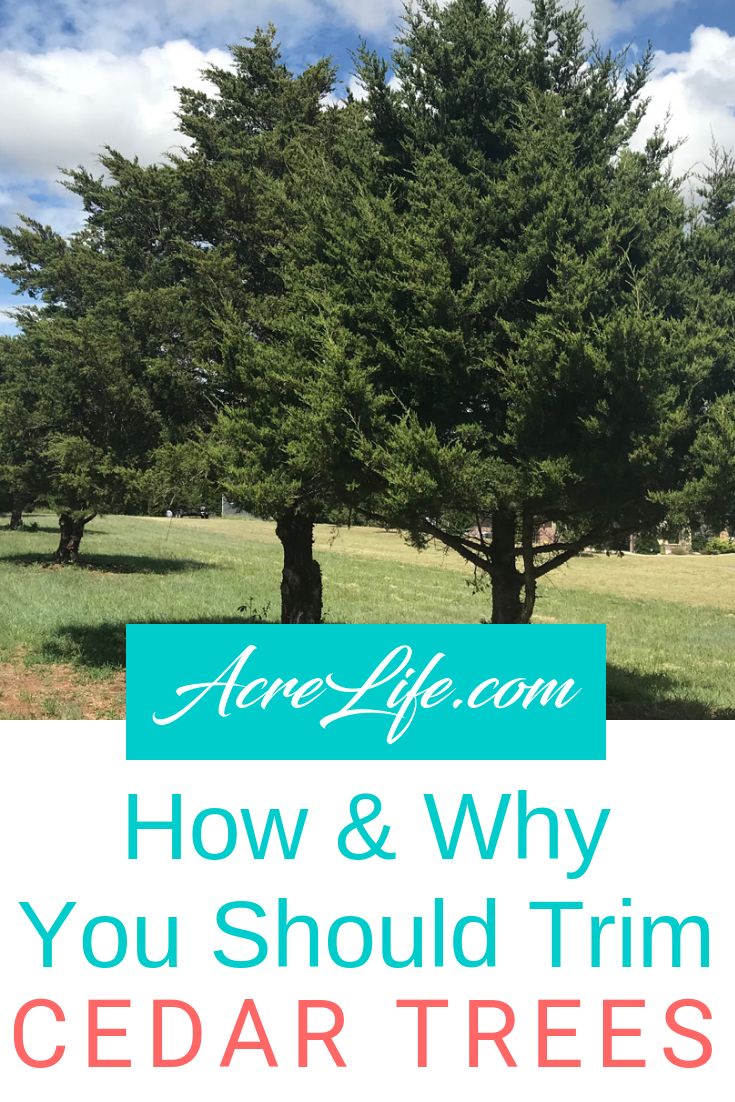


If you run your fingers along the trunk, you will feel a textured surface that combines firmness with subtle flakes of older bark. This tactile experience helps differentiate salt cedar from smoother barked species that might occupy the same disturbed areas.
Leaf Arrangement and Appearance
Each leaf of the salt cedar tree measures only a few millimeters in length and clings directly to the stem without a noticeable leaf stalk. The grayish green to blue green hue of these tiny scales gives the foliage a muted, almost silvery sheen, especially when viewed from a distance.
When wind passes through the canopy, the dense cluster of small leaves creates a soft, whispering sound that distinguishes the tree from broad leaved species. Examining these minute leaves closely is essential for positively answering what does a salt cedar tree look like, particularly when other trees are bare.
Flowers, Seeds, and Fruiting Structures
During late spring and summer, salt cedar produces small flowers in elongated clusters known as racemes, which add a subtle vertical element to the overall canopy. These flowers are typically pink to white, forming delicate accents along the stems where they emerge in the leaf axils.
The tiny, five petaled flowers give way to small capsules that release numerous fine, cottony seeds. When these seeds disperse on the wind, they can travel considerable distances, allowing the tree to colonize new sites along waterways and in disturbed soils.
Seasonal Flower Displays
In many regions, the flowering period transforms the tree into a focal point as pinkish plumes contrast with the surrounding dry vegetation. The timing of this bloom can vary with climate, but the visual impact remains a reliable clue for identification.
Even after the flowers fade, the delicate seed heads persist for a time, creating a lighter, more open appearance in the crown. Observing these seasonal changes helps confirm that you are examining a salt cedar tree rather than a similarly structured species.
Fruit Capsules and Seed Dispersal
Following pollination, the development of tiny capsules along the stems marks the next stage in the tree's annual cycle. These capsules eventually split open to release seeds equipped with fine hairs that catch the wind.
The ability of seeds to travel long distances by air explains why salt cedar can quickly appear in new locations after floods or soil disturbance. Recognizing these fruiting structures provides additional evidence when determining the identity of the tree.
Habitat, Range, and Visual Context
Salt cedar commonly grows along stream banks, in saline flats, and on disturbed sites where soil salinity is high. Its preference for these challenging environments makes it a prominent feature in riparian zones, where it often forms dense stands that alter the local landscape.
When assessing what does a salt cedar tree look like, considering its setting is important, as the surrounding vegetation and soil conditions can highlight its distinctive growth form and bark patterns. The tree’s tolerance of salty irrigation water also makes it a familiar sight in agricultural regions.
Geographic Variation in Appearance
Across its range, which includes parts of Europe, Asia, and the western United States, salt cedar shows slight variations in leaf size, flower color, and bark texture. Local climate and soil salinity can influence these characteristics, leading to subtle differences between populations.
Observing these variations helps naturalists and land managers distinguish native stands from introduced populations and understand how the species adapts to different regions. Such details refine your ability to answer what does a salt cedar tree look like with confidence.
Distinguishing From Similar Species
In the field, salt cedar can sometimes be confused with other willow like or tamarisk species, but its smaller leaves and distinct bark patterns provide reliable identification clues. Learning to compare these features sharpens your observational skills and reduces misidentification.
Paying attention to the overall growth habit, from the multi stemmed base to the feathery crown, ensures that you accurately recognize salt cedar even when viewing it from a distance or in mixed vegetation.
By familiarizing yourself with the bark texture, leaf scale, seasonal flowers, and typical habitats, you gain a practical framework for identifying this resilient species in diverse landscapes. Observing these characteristics over time will deepen your understanding of how salt cedar adapts to its environment and coexists with surrounding plant communities.
Related Articles

Identify A Cedar Tree In Animal Crossing Look Like
When you picture a cedar tree in Animal Crossing, you are likely imagining a distinctive pale green tree with a noticeably thick, sturdy trunk that stands out...

Mountain Cedar Tree Look Like Visual Guide Identify Key Features
When you picture a classic evergreen of the American Southwest, the image that often comes to mind is the rugged silhouette of a mountain cedar tree. This...

What Does a Red Cedar Tree Look Like: Identify Key Features Easily
When you picture a classic evergreen tree that lines country roads and honors state emblems, you are likely seeing what does a red cedar tree look like in the...

What Does an Eastern Red Cedar Tree Look Like Identify Guide
An eastern red cedar tree stands as a familiar sight across much of North America, its presence woven into local landscapes, from open fields to fence lines...

White Cedar Tree Identification: What Does It Look Like?
White cedar is a common name often used in North America to describe a graceful evergreen tree with aromatic foliage and distinctive peeling bark. These trees...

What Does a Lilac Tree Look Like? Identify Lavender Blooms Fast
When you imagine a lilac tree, you might picture a burst of purple blossoms filling the spring air with a rich, sweet fragrance, but identifying this plant...