What Do Toddlers Like to Eat for Lunch Healthy Easy Meals
Understanding what toddlers prefer for lunch helps parents and caregivers turn an ordinary midday meal into a moment of nourishment and connection. At this lively stage of rapid growth and discovery, lunch is much more than a simple break; it is a key opportunity to support healthy development through consistent, balanced nutrition. Toddlers are asserting their independence, and the foods they reach for at lunchtime often reflect their emerging personality as much as their nutritional needs.
For many caregivers, the real question is not just what is nutritious, but what will actually be eaten when a toddler refuses to sit still for more than a minute. Gentle routines, playful presentation, and a relaxed atmosphere often matter as much as the menu itself. By focusing on simple, familiar ingredients that are easy to chew and swallow, adults can reduce stress at the table and help young children build a lifelong foundation of healthy eating habits.
Balanced Plates That Toddlers Naturally Enjoy
Toddlers thrive when their plates combine whole grains, lean proteins, healthy fats, and colorful fruits or vegetables, even if the portions look surprisingly small. Offering a predictable structure, such as grain plus protein plus produce, makes it easier to rotate a variety of nutrients across the week. Flexibility within this structure is key, because toddlers often go through phases of loving one food and then refusing it entirely the next day.


Because their stomachs are tiny, nutrient density is more important than large volumes at lunch. Including sources of iron, calcium, and protein in forms that are easy to self-feed supports both growth and steady energy. When caregivers model relaxed eating behaviors, toddlers gradually learn to trust new flavors and textures at their own pace.
Colorful, Easy-to-Handle Vegetables
Brightly colored vegetables like orange carrots, red bell pepper sticks, and green broccoli florets appeal to a toddler’s keen eye and support strong immunity. Serving vegetables raw, lightly steamed, or roasted gives different textures and flavors while preserving their nutrients. For younger toddlers, cutting vegetables into manageable, bite-sized pieces or soft sticks helps them practice safe chewing and finger feeding without frustration.


Pairing a new vegetable with a familiar favorite can encourage gentle exploration without pressure. Dips such as hummus, plain yogurt, or mashed avocado add flavor and healthy fats that many toddlers find comforting and satisfying. Over time, repeated exposure to these colorful options at lunch helps build a wide range of vegetable preferences.
Whole Grains and Starchy Vegetables
Soft finger foods like whole wheat toast strips, small pasta shapes, or finely chopped cooked rice cakes provide satisfying energy and a chance to practice pincer grasp. Toddlers often enjoy the mild sweetness of cooked sweet potato cubes, mashed banana, or soft polenta, which are gentle on still-developing digestive systems. Offering a mix of textures, from smooth to slightly chewy, supports oral motor skills and makes lunch more interesting.
When grains are paired with protein or vegetables, the combination can help slow down energy spikes and keep a toddler feeling satisfied through the afternoon. Rotating between whole grain bread, oatmeal, quinoa, and brown rice ensures variety while delivering important B vitamins and fiber.


Proteins and Simple Flavors to Keep Lunchtime Pleasant
Lean proteins such as shredded chicken, flaky fish, soft beans, or finely crumbled tofu are excellent options for toddlers because they are filling and support growing muscles. Cooking these proteins with minimal seasoning lets their natural taste shine while keeping sodium intake gentle. Many toddlers also enjoy simple combinations, like small meatballs with soft vegetables or a lentil stew they can sip from a little bowl.
At this age, strong spices and very salty flavors can overwhelm sensitive palates, so mild, family-friendly seasonings work best. A squeeze of lemon, a pinch of garlic powder, or a dash of cinnamon can add interest without turning lunch into a battle. Keeping routines calm and predictable encourages a toddler to focus on eating rather than resisting the meal.
Fun Shapes and Finger-Friendly Formats
Using cookie cutters to shape sandwiches, slicing fruits into wedges, or rolling meatballs into small balls can make lunch visually playful and easy to pick up. Toddlers are often drawn to foods that fit neatly in their hands and require very little utensils. Offering a choice between two options, such as cucumber rounds or grape tomatoes, supports their growing independence while keeping the meal manageable.


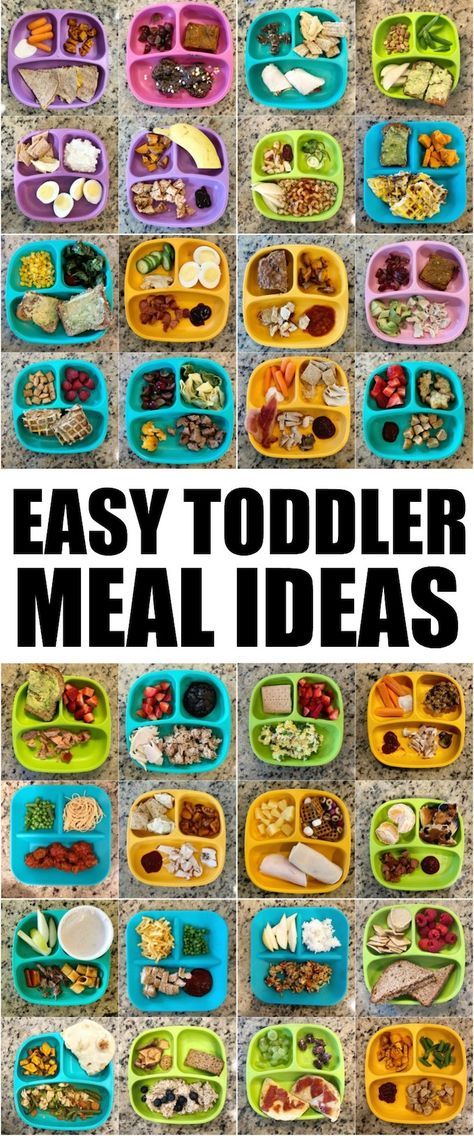


Small changes in presentation, like arranging food into a simple smiley face or a colorful pattern, can turn an everyday lunch into a moment of delight. The goal is not perfection but a relaxed, engaging experience where the toddler feels invited to explore, touch, and taste at their own curiosity level.
Healthy Fats and Simple Dairy Options
Foods rich in healthy fats, such as avocado slices, small portions of nut butter, or full-fat plain yogurt, support brain development and help toddlers feel full between meals. These fats also improve the absorption of fat-soluble vitamins from vegetables and fruits. When introducing dairy, options like mild cheese cubes, soft ricotta, or lactose-free alternatives can provide calcium and protein without overwhelming the palate.
For families who prefer plant-based choices, smooth hummus, olive oil drizzled on vegetables, or small pieces of tofu can offer satisfying fats and variety. Keeping these foods fresh and properly stored helps maintain both safety and appealing taste so that a toddler’s lunch remains both nutritious and enjoyable.
When adults pay attention to what naturally draws a toddler’s interest at lunchtime, they can build simple, repeatable patterns that support health without turning the table into a battlefield. Offering a rotating selection of colorful vegetables, gentle whole grains, appealing proteins, and playful formats helps children feel curious rather than coerced. Over time, these calm and consistent lunch experiences become the foundation for confident, balanced eating throughout childhood and beyond.
Related Articles

School Lunch Ideas For Picky Eaters Toddlers Healthy Easy Meals
Navigating mealtime with a toddler who is a picky eater can feel exhausting, especially when you are trying to plan nutritious school lunch ideas for picky...

Healthy Lunch Box Ideas for Kindergarten Nutritious Easy Meals
Packing a healthy lunch box for kindergarten is one of the most caring decisions a parent can make for their child's day. This simple act fuels growing bodies...

Healthy Lunch Ideas Easy Vegetarian Quick Nutritious Meals
Discover healthy lunch ideas easy vegetarian that fit real life, taste amazing, and keep you energized without extra stress. Finding balanced vegetarian...

Delicious Veggie Lunch Box Ideas Healthy Easy Meals
Planning a satisfying vegetarian lunch box is easier than you might think, and it is the perfect way to power through your afternoon with steady energy. With a...
10 Easy Basic Lunch Box Ideas For Healthy Meals
Planning a basic lunch box idea can transform an ordinary workday or school morning into something organized and satisfying. A well thought out lunch not only...

easy 30 ideas for school lunches for picky eaters healthy lunch recipes for kids
Planning school lunches for picky eaters can feel overwhelming, but creative ideas for easy 30 ideas for school lunches for picky eaters turn stress into...