What Color to Paint a Small Hallway: Stunning Ideas to Maximize Space
Choosing the right color to paint a small hallway can feel surprisingly difficult, yet this narrow passage is one of the first spaces guests experience in your home. A well painted hallway sets the tone for your entire house, guiding movement and mood with every step. When space is tight, color becomes an even more powerful tool, shaping how long the corridor feels and how welcoming it appears. The goal is to transform a simple transition zone into a polished design statement that works effortlessly with the rest of your interior.
Many homeowners overlook hallways, treating them as mere afterthoughts, but strategic color choices can solve common problems like limited natural light and awkward layouts. The right shade can visually expand a cramped passage, create a sense of continuity, or add personality without overwhelming the house. Since hallways connect rooms, they offer a unique opportunity to tie your decor together with a cohesive thread. Understanding how color interacts with size, lighting, and adjacent spaces is the first step toward making a small hallway feel intentional and inviting.
Understanding Space and Light
When deciding what color to paint a small hallway, you must first assess how natural and artificial light behaves in the space at different times of the day. A corridor with a single window or low light levels will react very differently to the same shade compared to a well lit entry that floods the walls with sunlight. Directional light, shadow patterns, and even the finish of your paint can dramatically alter the perceived depth and brightness of the hallway.


Warm tones like soft creams, buttery yellows, and gentle terracottas tend to glow in low light, making the passage feel cozy and intimate. Cool tones such as pale blues, greys, and sage greens can visually recede, creating a sense of calm openness that brightens a dim space. Testing your chosen colors on different walls and observing how they shift from morning to late afternoon will reveal the true personality of a shade before you commit.
Light Direction and Intensity
North facing hallways receive cooler, indirect light, so warmer hues help balance the chill and add a welcoming touch. South facing corridors bask in strong sunlight, which can wash out very light colors, meaning deeper, more saturated shades hold their character without fading into glare. Observe where your main light source enters, because the interplay of light and shadow can enhance architectural details like crown molding, wainscoting, or textured walls.


Consider how your paint finish interacts with these lighting conditions, as a flat finish absorbs light for a soft matte look, while eggshell or satin finishes reflect more and increase the sense of brightness. For a tight turning staircase or a narrow passage with overhead spots, layered lighting paired with a reflective paint can work together to eliminate dark corners and make the space feel larger.
Visual Perception of Size
Light and cool colors generally recede, making walls appear farther away, while dark and warm tones advance, creating a cozier, more enveloping atmosphere. In a cramped corridor, a very dark shade might feel claustrophobic unless you intentionally want to create a dramatic, intimate tunnel effect. Conversely, a bright, neutral wall can amplify natural light and make even a short passage feel surprisingly spacious.
Vertical stripes or a subtle gradient on the wall can draw the eye upward, emphasizing height rather than width, which is especially useful when ceilings are low. Choosing a trim color slightly lighter than your main wall hue can also enhance this effect, making the hallway feel tall, open, and carefully considered rather than cramped and boxy.


Style and Personality
Beyond functionality, your hallway is a prime spot to express personal style, especially in a compact space where every color choice feels amplified. A bold accent wall, a graphic mural, or a refined monochrome palette can all work, provided they align with the overall aesthetic of your home. The key is to balance impact with harmony, so the hallway complements rather than competes with the rooms it connects.
Consider the flow between rooms when selecting a palette, because a cohesive scheme makes even a small hallway feel like a deliberate part of the journey through your home. Transitions from kitchen to dining, bedroom to bathroom, or front entry to living area can be smoothed by repeating a signature color in varying tones throughout the corridor.
Bold Statements and Graphic Elements
If your home leans modern or artistic, a feature wall in deep navy, charcoal, or forest green can add drama without overwhelming the footprint of a narrow hallway. Matte or velvety finishes in these shades absorb light beautifully, creating a sophisticated backdrop for artwork, sculptural lighting, or a gallery wall of prints and photographs.


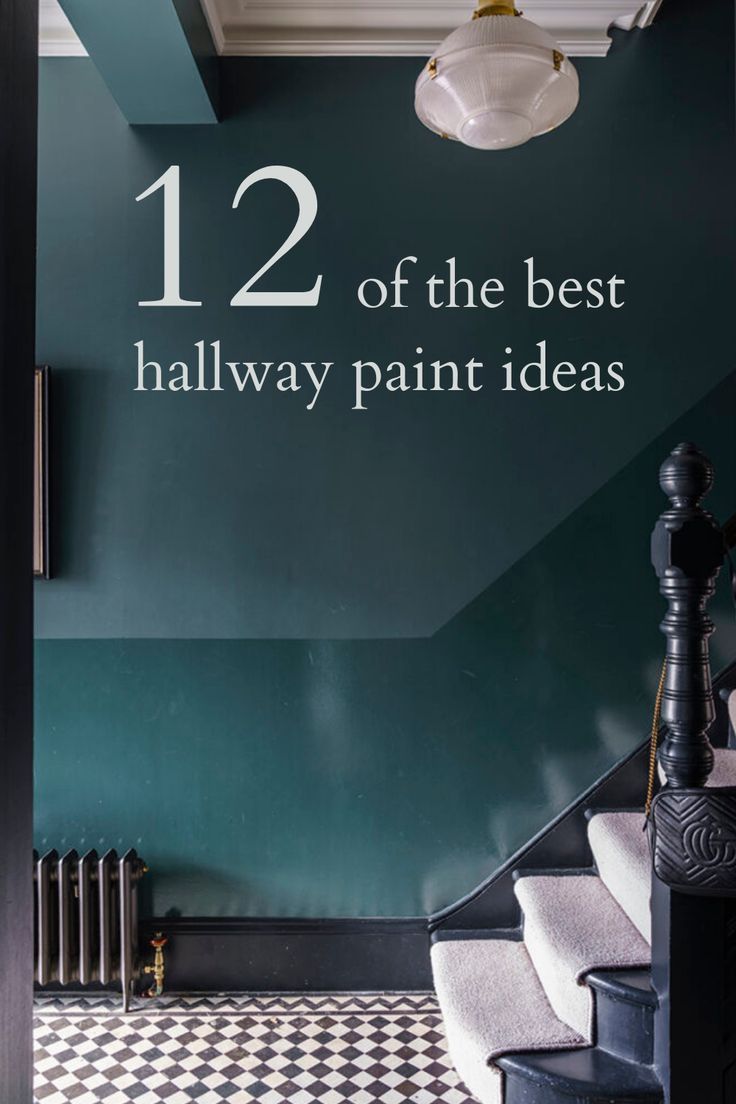
Geometric patterns, subtle stencils, or a narrow color run along the ceiling can inject personality while maintaining a sense of order. Just keep the design focused and avoid overly busy motifs that might make the space feel chaotic. When done with intention, a graphic hallway becomes a memorable preview of the style awaiting guests in your main rooms.
Calm Neutrals and Toned Down Palettes
For a timeless, serene atmosphere, soft greys, warm beiges, and muted greens create a tranquil backdrop that lets artwork and door hardware stand out. These understated tones work particularly well in smaller hallways because they visually recede and maintain a sense of airiness. Pairing them with minimal trim and simple architectural details results in a clean, modern look that feels both calming and curated.
Greige tones, slightly warm versions of grey, bridge the gap between cool contemporary and cozy traditional styles, making them versatile across different design eras. When your hallway walls melt seamlessly into the surrounding rooms, the transition between spaces feels natural and effortless, which is especially valuable in compact layouts.
Practical Tips and Finishing Touches
Testing your chosen color in the actual hallway at different times of day is one of the most reliable ways to avoid surprises. Paint a generous sample on multiple walls, observe how the hue changes with shifting light, and consider how it complements nearby flooring, cabinetry, and fixtures. A small hallway benefits from a thoughtful palette that takes these real world conditions into account.
The finish you select also matters, because high traffic areas like corridors are prone to scuffs and marks. Eggshell or satin finishes strike a practical balance between durability and subtle sheen, making cleanup easier while still providing enough depth for richer colors. Matte finishes can show marks more readily, so save them for lower traffic spaces or be prepared for occasional touch ups.
Trim and architectural details deserve attention as well, since crisply painted baseboards, door frames, and crown molding frame the wall color and elevate the overall look. A slightly lighter trim can create a subtle contrast that makes the walls pop, while a closely matched tone delivers a seamless, minimalist effect. Consistency in hardware, switch plates, and door handles further ties the hallway into the rest of your home.
Accessorizing a narrow passage with a single statement piece of art, a sculptural light fixture, or a console table with a curated vignette can anchor the space and give visitors something memorable to focus on. Thoughtful lighting layered with wall sconces, a pendant, or sleek track lighting enhances both functionality and style, ensuring your color and design choices are seen at their best.
Ultimately, the best color for a small hallway is the one that supports how you actually use the space while reflecting your personal taste. Whether you opt for a quietly soothing neutral, a gently illuminated warm tone, or a confident dark accent, aligning color, light, and style will make even the narrowest passage feel intentional and welcoming. Take your time, test samples, and let the personality of your home guide the final decision.
Related Articles
What Color to Paint a Narrow Hallway: Stunning Ideas to Maximize Space
Choosing the right color to paint a narrow hallway can transform a cramped, forgettable passage into a welcoming and expansive entry point for your home. Many...
What Color to Paint a Dark Hallway: Stunning Ideas & Tips
Choosing the right color to paint a dark hallway can transform a dull passage into a welcoming transition between rooms. Many homeowners feel unsure about dark...

Small Hallway Seating Ideas to Maximize Space in Tiny Areas
When you think about entryways, the small hallway seating ideas for small spaces often get overlooked, yet this narrow zone is the first impression guests...

What Color to Paint Entryway: Stunning Ideas & Trends
Choosing the right color to paint entryway is one of the quickest ways to elevate your home’s first impression and set the tone for the spaces that follow. The...

Best Plants for Small Garden Bed Ideas Maximize Space and Yield
Designing a small garden bed can feel overwhelming, but with the right strategy you can create a lush and productive display in even the most compact space...

Small Yard Ideas: 10 Creative Ways to Maximize Your Space
Owning a small yard can feel like managing a cozy studio apartment outdoors, yet with smart planning it becomes a valuable extension of your home. Instead of...