What Does a Cedar Tree Look Like A Visual Guide
When you picture a cedar tree, you might imagine the graceful, sweeping branches of an ancient specimen standing quietly against a clear sky, a living symbol of endurance and natural beauty. These magnificent conifers are instantly recognizable, not just for their spiritual significance in many cultures, but for their unique physical form and presence. From a distance, their profile often appears flat-topped or broadly conical, creating a distinctive landmark in parks, cemeteries, and quiet neighborhoods.
Learning what a cedar tree looks like involves observing a combination of features that set it apart from other common evergreens. While the term "cedar" is sometimes used for trees that are not true cedars, the classic varieties like the Eastern Red Cedar and the Incense Cedar display a collection of defining traits. These include the texture and color of the bark, the scale-like or needle-like foliage, and the unique structure of their cones. Understanding these details helps you identify them with confidence on your next walk through the woods.
Identifying The Bark And Trunk
The bark of a cedar tree is one of its most striking features, often serving as the first clue to its identity. On mature trees, the bark typically appears as thin, peeling strips that resemble shredded leather, revealing a fibrous inner layer beneath. The color palette is usually a blend of grays and warm reddish-browns, creating a mottled appearance that adds visual interest to the trunk.


As the tree ages, the trunk develops distinct vertical patterns and may become deeply ridged, contributing to a rugged and sturdy aesthetic. This peeling bark is not just a visual trait; it is a functional adaptation that helps the tree protect itself from pests and environmental stressors. When you see this characteristic texture, you are looking at a tree with a long history of resilience.
Texture And Coloration
The surface texture of the bark is often described as fibrous and stringy, especially when torn away from the trunk in vertical strips. This quality is particularly evident in species like the Eastern Red Cedar, where the reddish hue contrasts beautifully with the lighter gray outer layers. The rugged feel of the bark provides a tactile sense of the tree's age and durability.


Color-wise, the bark can range from a light silvery gray to a deep, rusty red, depending on the species and the amount of sun the tree has received. These color variations create a beautiful mosaic on the trunk, helping the tree blend into its environment while standing out to the observant eye. This blend of tones is a hallmark of mature cedar trees in any landscape.
Trunk Shape And Structure
The trunk of a cedar tree is typically straight and column-like, especially in younger specimens, providing a strong vertical anchor for the branches above. As the tree matures, the base may widen slightly, giving it a sturdy, grounded appearance that suggests longevity. This structural strength allows the tree to withstand wind and weather without compromising its integrity.
Looking closely at the trunk, you might notice a slight taper as it rises upward, leading to a more slender crown. This classic silhouette is a key part of the cedar tree look, making it easily distinguishable from broader, more sprawling evergreens. The combination of a strong trunk and an open canopy creates a balanced and majestic profile.


Examining The Foliage And Branches
The foliage of a cedar tree is perhaps its most recognizable feature, presenting in a range of forms from sharp needles to tiny, overlapping scales. The arrangement of these leaves directly impacts the tree's overall texture and density, influencing how light filters through its branches. This variation in leaf type is a critical element when trying to identify different cedar species.
Branching patterns are also distinct, often forming a tiered or layered effect that gives the tree a graceful, horizontal emphasis. These branches radiate from the central trunk in a way that creates a full, yet airy, appearance. The way the limbs spread out contributes significantly to the tree's iconic, sculptural look in the landscape.
Scale-Like Foliage
Many cedar trees, such as the Incense Cedar, feature tiny, overlapping scales that hug the twigs closely. This type of foliage creates a dense, textured appearance that resembles the bark of a juniper but with a softer, more feathery quality. The color is usually a deep, forest green, which remains vibrant throughout the year.


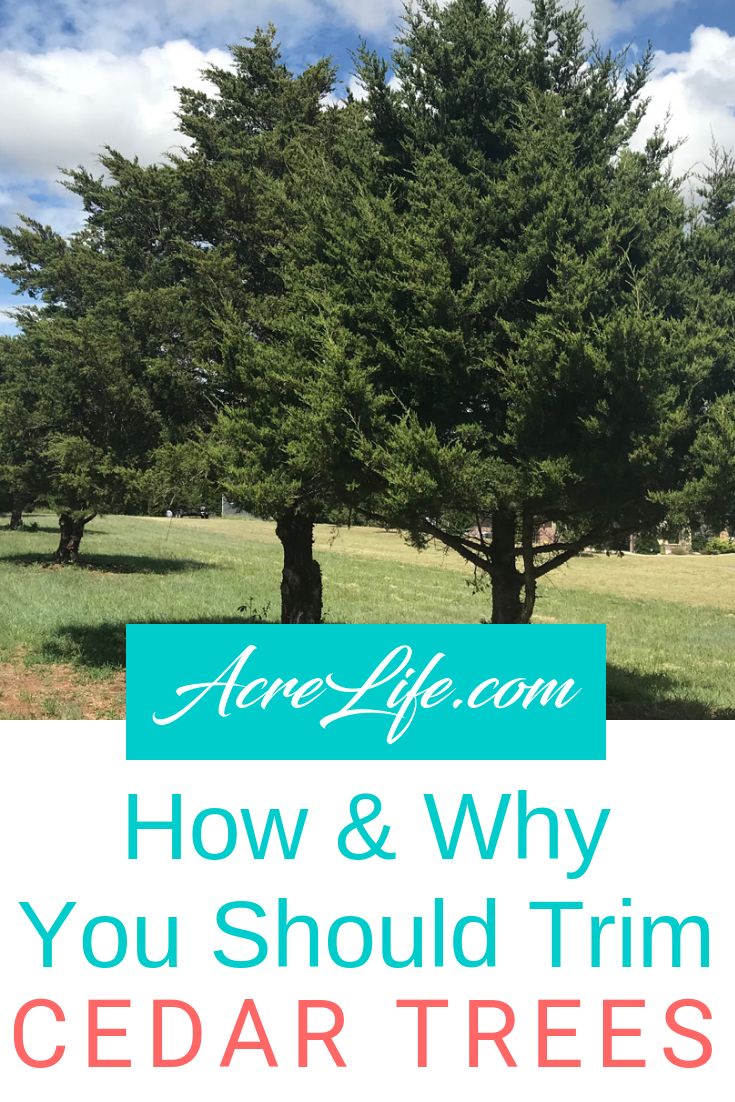


When you run your hand gently along these branches, the scales feel smooth and tightly packed, creating a unique sensory experience. This evergreen structure is highly effective at shedding snow and rain, allowing the tree to thrive in various climates. The scale-leaved varieties are often the image people conjure when they think of a classic cedar silhouette.
Needle-Like Foliage
Other cedar species, like the Eastern Red Cedar, produce true needles that are sharp to the touch and grow in dense clusters. These needles are typically a vibrant green color and can appear almost prickly if you brush against them unprepared. The density of the needles creates a solid wall of greenery, making the tree look very full and robust.
The presence of these needles gives the tree a slightly more rugged and wild appearance compared to the scale-leaved varieties. They catch the light beautifully, with a subtle shimmer that changes with the angle of the sun. This sharp, verdant look is a definitive part of the cedar tree look for many people.
Observing The Cones And Overall Shape
To fully understand what a cedar tree looks like, one must also observe its cones, which are often mistaken for berries. These structures are actually small, woody capsules that contain the tree's seeds, and their appearance varies greatly between species. Their presence adds another layer of texture and interest to the tree's profile.
The overall shape of the tree is the culmination of all these elements, defining its role in the landscape. Whether serving as a stately windbreak or a quiet centerpiece, the form of a cedar tree is both functional and beautiful. Recognizing this shape is the final step in mastering cedar tree identification.
Cones And Berries
Cedar trees produce small, round cones that are often coated in a soft, waxy bloom, giving them a bluish or grayish tint. In the case of the Eastern Red Cedar, these cones are berry-like and appear in clusters, providing a food source for birds during the winter months. Their blue color creates a striking contrast against the green foliage.
These cones are different from typical pine cones; they are much smaller and more fleshy, which is why they are frequently called juniper "berries." Observing these details up close reveals a different texture and structure than you might expect from a standard conifer. This unique reproductive feature is a fascinating part of the cedar tree look.
The Silhouette And Form
The overall silhouette of a cedar tree is often conical or columnar, with a central leader that rises prominently above the surrounding branches. Younger trees tend to have a more uniform, geometric shape, while older trees develop a broader, more irregular crown. This evolution in form reflects the tree's journey through time.
From a distance, the dense canopy creates a distinct outline, whether it is a Christmas tree shape or a wide-spreading giant in an open field. This characteristic form makes the cedar tree a popular choice for landscaping, as it provides year-round structure and visual interest. Understanding this silhouette helps you identify the tree from afar.
By paying attention to the bark, the foliage, the cones, and the silhouette, you can confidently identify a cedar tree in any setting. This knowledge connects you to the natural world, allowing you to appreciate the intricate details of these timeless giants the next time you encounter one.
Related Articles
Mountain Cedar Tree Look Like Visual Guide Identify Key Features
When you picture a classic evergreen of the American Southwest, the image that often comes to mind is the rugged silhouette of a mountain cedar tree. This...

What Does a Flower Garden Look Like: A Visual Guide
When you imagine a flower garden, you probably see a living tapestry of color, texture, and movement that seems to hum with quiet energy. This space is more...

White Cedar Tree Identification: What Does It Look Like?
White cedar is a common name often used in North America to describe a graceful evergreen tree with aromatic foliage and distinctive peeling bark. These trees...

What Does an English Country Garden Look Like: A Visual Guide
When you picture an English country garden, you imagine a relaxed, graceful outdoor space where history, horticulture, and everyday comfort meet. This style of...

What Does a Garden Home Look Like: The Ultimate Visual Guide
When you imagine a garden home, you might picture a cozy cottage wrapped in climbing roses or a modern retreat nestled among native grasses. This concept...

Identify A Cedar Tree In Animal Crossing Look Like
When you picture a cedar tree in Animal Crossing, you are likely imagining a distinctive pale green tree with a noticeably thick, sturdy trunk that stands out...