What Can You Fertilize Ferns With: Safe & Effective Fertilizer Tips
Ferns are among the most graceful and architectural plants you can bring into your home or garden, yet many people wonder what the best fertilizer for ferns really is. Choosing the right nutrition plan helps these ancient plants produce lush, vibrant fronds while avoiding the stress that leads to browning or decline. Understanding how ferns feed and which nutrients support their unique growth habits is the foundation of successful care.
These leafy beauties evolved in forest understories where steady, light feeding from decomposing organic matter was the norm rather than heavy doses of synthetic chemicals. Because of that history, they respond best to gentle, consistent nutrition rather than aggressive fertilizing schedules. Getting this balance right means you can encourage vigorous growth without overwhelming delicate roots or causing salt buildup in the soil.
Balanced Liquid Fertilizers for General Care
A balanced, water-soluble fertilizer is often the easiest and most effective choice for most fern varieties. Look for a product with an NPK ratio near 10-10-10 or 20-20-20, diluted to quarter or half strength, applied every four to six weeks during the active growing season. This approach supplies nitrogen for foliage, phosphorus for root development, and potassium for overall resilience in a form that ferns can absorb quickly.


When using liquid feeds, always apply to moist soil rather than a bone-dry medium, as this reduces the risk of root burn and helps distribute the nutrients evenly through the root zone. Observe your fern after feeding; if new fronds emerge a healthy dark green and continue to unfurl without delay, your feeding schedule is likely well matched to the plant’s needs.
Organic Options like Diluted Fish Emulsion
For gardeners who prefer organic fertilizers, a diluted fish emulsion or seaweed-based feed can be excellent for ferns. These materials provide a gentle blend of macro and micronutrients, including trace elements that support chlorophyll production and stress tolerance. Because they are derived from natural sources, they tend to improve soil biology over time while feeding the plant.

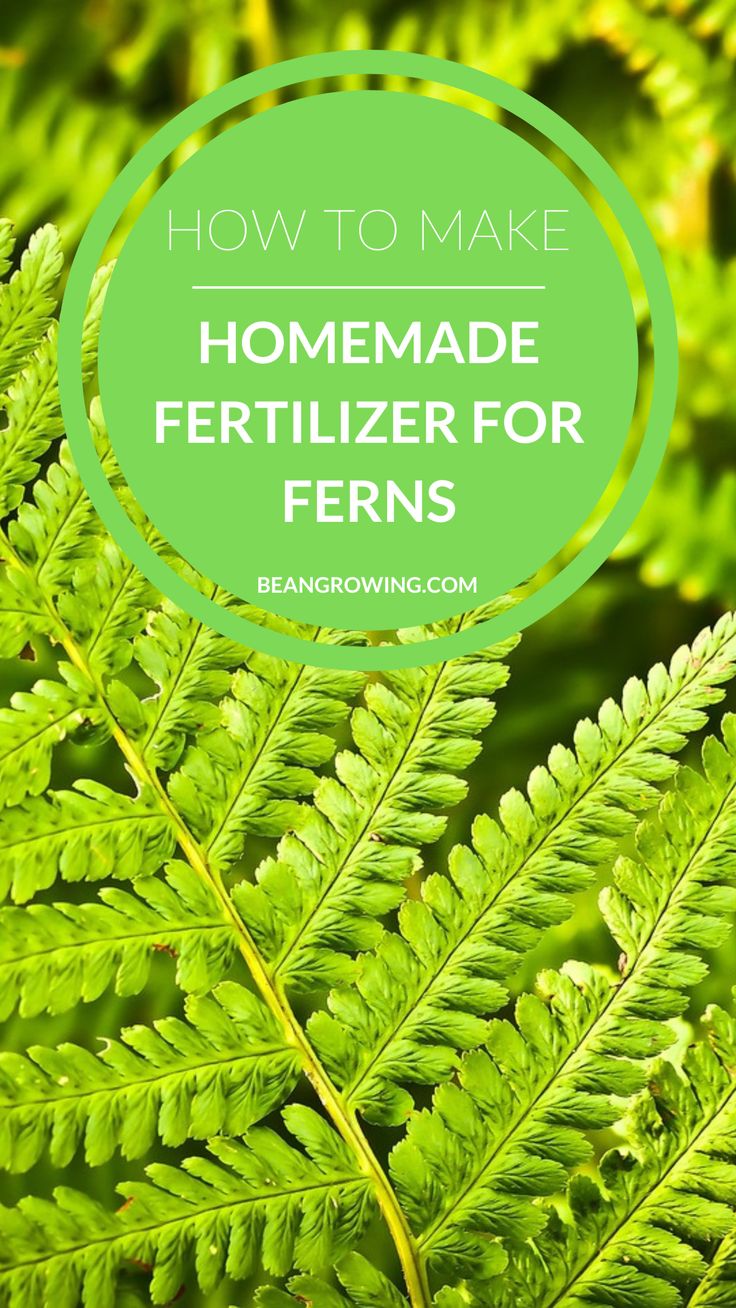

You will typically notice a subtle but steady improvement in frond color and density when using these products, especially for ferns grown indoors where nutrient levels can become depleted faster than in outdoor garden beds. Just remember that organic liquids may have a stronger odor, so applying them in a well-ventilated area or outdoors can make the experience more pleasant.
Slow-Release Pellets for Low-Maintenance Feeding
Slow-release fertilizer pellets are another solid option, particularly if you prefer a set-it-and-forget-it method. These granules break down gradually, feeding ferns with a steady supply of nutrients across several months. Choose a formulation designed for leafy plants or acid-loving foliage species, and scatter the pellets on the soil surface as instructed, avoiding direct contact with the stems.
This method is very forgiving and minimizes the risk of overfeeding, which can be more harmful than underfeeding for ferns. Over a season, you will often see consistent, steady growth, with fewer dramatic fluctuations in frond color or size, making slow-release pellets ideal for busy plant owners or larger collections.


Micronutrients and Soil Health
While nitrogen, phosphorus, and potassium are the headline nutrients, ferns also depend on a suite of micronutrients such as iron, magnesium, and manganese to produce rich, green foliage. Yellowing between leaf veins or pale new growth can signal a deficiency, even when basic fertilizer is being applied, which is why soil health is just as important as the fertilizer you choose.
Ensuring your fern lives in a well-draining, humus-rich medium that contains materials like peat, compost, or coir can greatly enhance nutrient availability. Slightly acidic to neutral pH levels generally suit most ferns, and incorporating organic matter boosts microbial activity that helps release tied-up minerals back into the root zone in a usable form.
Iron and Chelated Supplements
If you notice new fronds emerging with yellowed tissue while the veins remain dark green, an iron deficiency is often the culprit, especially in indoor settings where tap water and lower light can complicate matters. A chelated iron supplement, either as a separate application or as part of a specialized fern fertilizer, can quickly restore uniform green color without upsetting the overall nutrient balance.


These supplements are particularly valuable for ferns grown in hard water regions or in soils that have become compacted over time. Using them according to label directions, usually as a soil drench or foliar spray, can bring back vigor and support the upright, open habit that makes ferns such captivating statement plants.
Magnesium and manganese also play supporting roles in photosynthesis and enzyme function, and they are often included in balanced fern fertilizers or organic compost teas. Paying attention to overall soil fertility rather than single nutrients tends to produce the most resilient growth and richer frond color.
Natural Soil Amendments and Mulches
Beyond commercial fertilizers, natural soil amendments like well-rotted compost, leaf mold, or finely shredded bark can provide a slow, steady source of nutrition for ferns. These materials improve soil structure, increase water retention, and release nutrients in sync with the plant’s growth cycle, which reduces the risk of fertilizer burn.
A light top dressing of compost in early spring, refreshed as needed, often supplies enough background nutrition for ferns growing in rich, humusy soils. When paired with a cautious approach to synthetic feeding, this strategy encourages deep root systems and lush, undamaged fronds that truly showcase the elegance of the species.
Seasonal and Environmental Adjustments
Ferns typically enter a period of active growth in spring and summer, which is when they respond best to regular feeding, while autumn and winter usually call for a sharp reduction or complete pause in fertilizing. Adapting your schedule to the plant’s natural rhythm ensures that nutrients are used efficiently and that sensitive new growth is not forced at the wrong time of year.
Indoor environments with stable temperatures and adequate light may allow for slightly more frequent feeding, whereas cooler or darker conditions demand a much more restrained approach. Observing your fern’s cues, such as the speed of frond unfurling and overall color, is the best way to fine-tune timing and dosage without relying solely on a calendar.
Avoiding Overfertilization and Salt Build-up
One of the most common mistakes with fern care is overfertilization, which can lead to tip burn, root damage, and a buildup of salts that eventually harms the plant. Symptoms like white crust on the soil surface or brown, scorched edges on fronds are warning signs that it is time to flush the growing medium with ample water and reassess your feeding routine.
To prevent this, always dilute liquid feeds more conservatively than the label maximum, and allow periods between applications so the plant can absorb what it needs. Using pots with drainage holes and occasionally leaching the soil helps carry excess salts out of the root zone, protecting the delicate roots that ferns rely on for consistent moisture and nutrition.
Choosing the right fertilizer for your ferns is about balance, patience, and attention to subtle changes in frond health rather than chasing the strongest formula on the shelf. With gentle, consistent feeding, good soil structure, and mindful adjustments based on season and environment, these graceful plants will reward you with lush, vibrant growth for years to come. Paying close attention to how your specific fern responds will guide you toward the ideal feeding strategy tailored to your space and plant collection.
Related Articles
What Do I Fertilize Ferns With Best Fertilizer Tips
Getting the fertilizer balance right is the single most important factor for keeping ferns lush, resilient, and full of life. Many new plant owners assume that...

What Do You Line Wooden Raised Beds With Best Tips and Safe Materials
When you invest time and effort into building or buying a wooden raised bed, the last thing you want is for that natural beauty to rot away at the bottom...
The Best Fertilizer for Ferns: Expert Tips for Lush Growth
Choosing the right fertilizer for ferns can feel confusing, but getting it wrong means the difference between lush fronds and a struggling plant. These ancient...
What Should You Fertilize Ferns With The Ultimate Guide To Lush Growth
Ferns are ancient, graceful plants that bring a lush, tropical feel to indoor and outdoor spaces, yet many owners struggle to provide the right nutrition for...

What Goes with Green and Black Stylish Outfit Ideas and Color Match Tips
Green and black is a bold, graphic duo that commands attention without shouting. When paired together, these two colors create a striking contrast that feels...

Best Flowers to Plant With Ferns for a Lush Garden Oasis
Ferns bring a lush, ancient charm to any garden, with their feathery fronds and rich green tones that create a sense of calm and woodland mystery. Choosing the...