What Are Tall Cedar Trees Called? Discover The Name Now
When you look up at a forest and see towering trees that seem to touch the sky, you might wonder what are the tall cedar trees called in everyday language. These impressive evergreens are often the backbone of many landscapes, providing shade, fragrance, and a sense of ancient grandeur that few other species can match. Understanding their proper names helps you appreciate their role in nature, history, and modern design.
In regions across North America and parts of Asia, people commonly refer to these tall trees by several different names depending on species and local tradition. From the stately Western Red Cedar to the aromatic Atlas Cedar, the term cedar broadly applies to multiple genera within the cypress family. This variety can make identification confusing for newcomers who ask what are the tall cedar trees called without realizing how many distinct types exist.
Common Names and Regional Variations
In everyday conversation, many people simply call any tall, fragrant, cone-bearing tree a cedar, even if it belongs to completely different botanical groups. This broad usage spans from the Eastern White Cedar in the northeastern forests to the Spanish Cedars found in warmer climates. The name often reflects both the tree’s appearance and its cultural familiarity rather than strict scientific classification.


Regional dialects further complicate the landscape, as what locals call a cedar in one area might carry an entirely different scientific label elsewhere. A towering tree lining a street in California could be labeled a Monterey Cypress, while a similar specimen in the Southeast might be identified as a Juniper. These shifting common names highlight why it is important to ask what are the tall cedar trees called within a specific geographic context.
Western Red Cedar
The Western Red Cedar, known scientifically as Thuja plicata, dominates the forests of the Pacific Northwest and is famous for its rich reddish-brown bark and scale-like foliage. Often reaching heights of over two hundred feet, this species is a classic example of what many people picture when they ask what are the tall cedar trees called in the wild. Its lightweight, rot-resistant wood has been essential for Indigenous building, carving, and ceremonial practices for centuries.


Beyond its utility, the Western Red Cedar contributes to forest ecosystems by providing shelter for birds, insects, and small mammals. Its aromatic scent, released after rain, creates a distinctive forest fragrance that many visitors find memorable. The tree’s majestic form and resilience make it a symbol of the region’s natural heritage, reinforcing its place in both ecological and cultural narratives.
Atlas Cedar
In contrast, the Atlas Cedar, or Cedrus atlantica, originates from the Atlas Mountains of North Africa and introduces silvery-blue needles to the image of a cedar. This species is commonly planted in parks, campuses, and large gardens worldwide for its striking appearance and adaptability to different climates. When travelers or newcomers observe these tall, stately trees far from their native range, they often wonder what are the tall cedar trees called in such unexpected settings.
The Atlas Cedar’s elegant, horizontal branching and dense, evergreen foliage also make it a popular choice for windbreaks and ornamental landscaping. Its ability to tolerate drought and poor soil conditions further increases its appeal in urban and suburban environments. Through widespread cultivation, this species has become a global ambassador for cedars, linking distant regions under a shared name.


Botanical Families and True Cedars
Scientifically speaking, only a few species qualify as true cedars within the genus Cedrus, including the Atlas Cedar, Deodar Cedar, and Cedar of Lebanon. These members of the pine family produce upright, barrel-shaped cones and have a distinctive branching pattern that sets them apart from lookalikes. When botanists ask what are the tall cedar trees called, they refer strictly to this small, well-defined group to distinguish them from other aromatic conifers.
Many trees commonly marketed or labeled as cedar in nurseries actually belong to families such as Cupressaceae, which includes junipers, cypresses, and arborvitaes. While these trees share certain visual traits, such as scale-like leaves and conical forms, they differ in reproductive structures and chemical composition. Clarifying these botanical distinctions helps homeowners, landscapers, and conservationists make informed decisions about planting and preservation.
Deodar Cedar
The Deodar Cedar, Cedrus deodara, is celebrated for its graceful, weeping branches and its origins in the Himalayan region. Its name derives from an ancient Sanskrit phrase meaning “wood of the gods,” reflecting its revered status in religious and cultural traditions. In regions where this species is cultivated, it often becomes the definitive answer to what are the tall cedar trees called when elegance and spirituality are mentioned together.


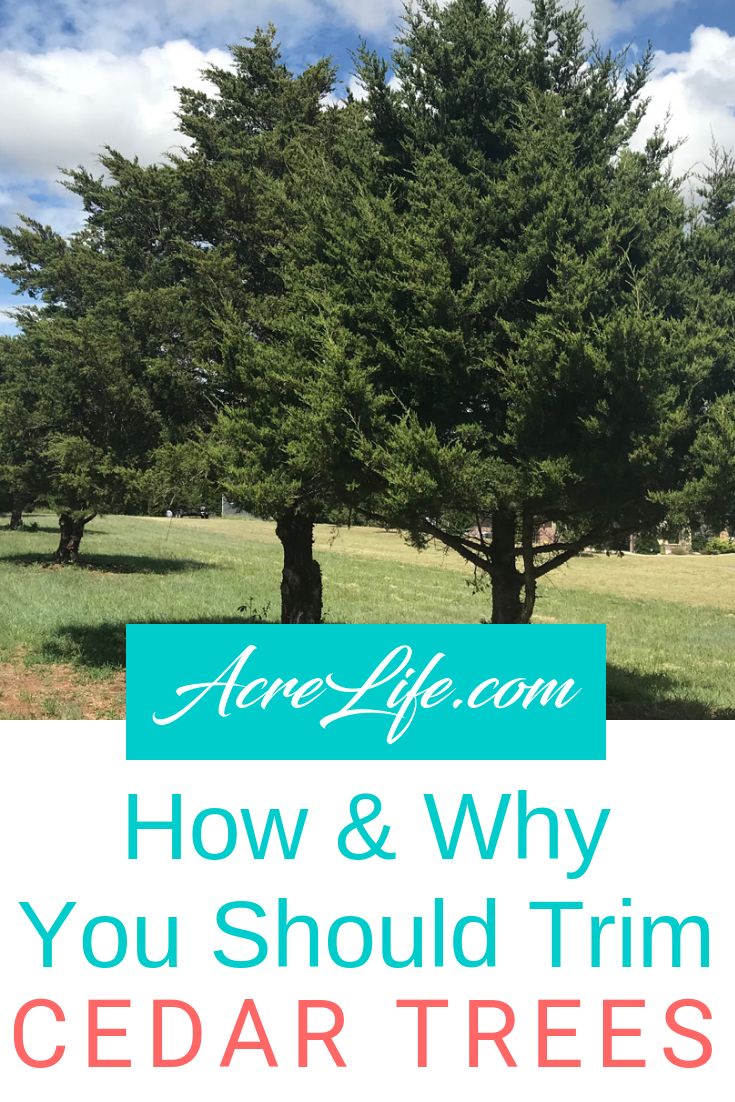


In addition to its ornamental value, the Deodar Cedar plays a role in reforestation and erosion control on mountainous terrain. Its strong timber has historically been used for construction, while its essential oils find applications in aromatherapy and natural medicine. The combination of aesthetic beauty and practical utility ensures its continued popularity across diverse climates.
Cedar of Lebanon
The Cedar of Lebanon, Cedrus libani, is perhaps the most historically famous of the true cedars, appearing in ancient texts and religious imagery from the Mediterranean basin. Its massive trunks, sprawling horizontal branches, and flat, dense foliage create an iconic silhouette that has inspired art and architecture for millennia. For historians and nature enthusiasts alike, identifying this species answers the question of what are the tall cedar trees called in the context of cultural legacy.
Conservation efforts have focused on protecting remaining stands of Cedar of Lebanon from habitat fragmentation and overgrazing, recognizing their importance as living links to past civilizations. These efforts highlight the intersection of ecology, history, and community engagement, showing how a single tree species can embody shared human values across generations.
Identification Tips and Ecological Roles
Learning to identify tall cedars in the field involves observing needle arrangement, cone shape, bark texture, and overall growth habit. True cedars typically have clusters of needles and distinctive peeling bark that reveals a reddish underlayer, while similar species may display different patterns. Developing an eye for these details allows nature lovers and professionals alike to confidently address what are the tall cedar trees called without hesitation.
Beyond their visual appeal, cedars play critical ecological roles, including stabilizing soil, regulating water flow, and supporting diverse understory plant communities. Their tall canopies create microhabitats for birds of prey and epiphytic organisms, contributing to complex food webs. Understanding these functions deepens appreciation for why identifying and protecting these trees remains a priority in many regions.
Environmental and Cultural Significance
Cedars often symbolize endurance and wisdom in literature, spiritual practices, and local folklore, making them more than just botanical curiosities. Their long lifespans and imposing stature connect people to landscapes that may have existed for centuries before modern settlement. This symbolic weight frequently surfaces in discussions about what are the tall cedar trees called, especially when storytelling and environmental education intersect.
Communities around the world organize tree planting initiatives centered on cedars to commemorate milestones, honor ancestors, or restore damaged ecosystems. By linking these trees to collective memory and future sustainability, such projects underscore the ongoing relevance of cedars in contemporary life. They serve as living landmarks that help define regional identities and environmental ethics.
Modern Landscaping and Urban Forestry
In today’s cities and suburbs, cedars are increasingly valued for their ability to provide year-round structure, noise reduction, and visual interest. Landscape architects carefully select species based on space constraints, climate, and aesthetic goals, often relying on cultivars bred for compact growth or enhanced color. This thoughtful planning ensures that the answer to what are the tall cedar trees called also considers practical urban needs.
Municipalities and homeowners alike benefit from understanding growth habits, root systems, and maintenance requirements when incorporating cedars into green infrastructure plans. Thoughtful placement can reduce energy costs by shading buildings, while mature trees enhance property values and neighborhood character. Such applications demonstrate how botanical knowledge translates into tangible community benefits.
Exploring the many names and identities of these towering evergreens reveals a rich tapestry of ecology, culture, and practical use that extends far beyond a simple label. Whether you are walking through a misty Pacific Northwest forest, strolling across a European campus, or tending a small urban yard, recognizing what are the tall cedar trees called opens a doorway to deeper curiosity about the natural world. Each species tells a story of adaptation, human connection, and quiet resilience that invites continued observation and care.
Related Articles

What Is a Clothes Closet Called? Discover the Right Name for Your Storage Space
When you walk into a bedroom and need to find a specific shirt or pair of pants, you likely head toward a dedicated storage space, but do you know exactly what...

What Are Tall Skinny Evergreen Trees Called Identification Guide
If you have ever walked through a quiet neighborhood or explored a peaceful park, you may have noticed tall, slender evergreen trees standing in a row or...

What Is a Garden Window Called? Learn the Name & Boost Your Home’s Charm
When you picture a cozy nook filled with sunlight and lush greenery, you might be describing a garden window, even if you are not sure what it is called. These...

What Is the Center of a Wagon Wheel Called? Hub Name Explained
When you picture a classic wooden wagon or a rustic bicycle, the circular design immediately draws your eye, and at its heart lies a specific component that...

What Is the Seat Under a Window Called? The Ultimate Name Guide
Have you ever sat by a window on a long flight or train ride and wondered what the specific name is for that little armrest attached to the side of the seat?...

What Is a Group of Flowers on a Twig Called? The Botanical Name Explained
When you pause to observe the delicate architecture of a garden or a quiet woodland edge, you might notice a small cluster resting gracefully along a slender...