What Are the Best Colours for a Hallway? Stunning Ideas & Trends
Choosing the best colours for a hallway is one of the simplest ways to transform the feel of your home the moment someone walks through the door.
A hallway acts as the transition zone between your private spaces and the outside world, so it deserves careful thought when it comes to colour selection.
Setting the Mood with Color Psychology
Understanding color psychology is essential when deciding on the best colours for a hallway, as hues can influence mood and perception of space.


Cool tones like blues and greens often create a calming atmosphere, while warm tones such as reds and oranges can add energy and warmth to a narrow passage.
Creating Calm with Cool Tones
Shades of soft blue, serene green, and gentle grey are excellent choices if you want your hallway to feel like a peaceful retreat.


These cool tones visually recede, making even a tight foyer appear larger and more open, which is why they rank high among the best colours for a hallway that needs to feel airy.
Adding Warmth with Earthy Shades
If your hallway receives little natural light, introducing warmer colors like terracotta, muted mustard, or deep rust can prevent the space from feeling cold and clinical.
These shades absorb light in a way that adds intimacy and comfort, making them ideal for hallways where you want to create a welcoming, grounded first impression.


Maximizing Space and Light
The best colours for a hallway often depend on how much natural light the area receives and the specific dimensions of the space.
Strategic color choices can correct visual imbalances, making a long corridor feel shorter or a small entry feel more expansive without major renovation work.
Light and Airy for Tight Spaces
Using light and reflective colors like off-white, soft cream, or pale taupe is a classic trick to brighten a dim or cramped hallway.




These neutral tones bounce light around, enhancing the sense of openness and ensuring the space never feels heavy or closed in.
Bold and Dramatic for Large Hallways
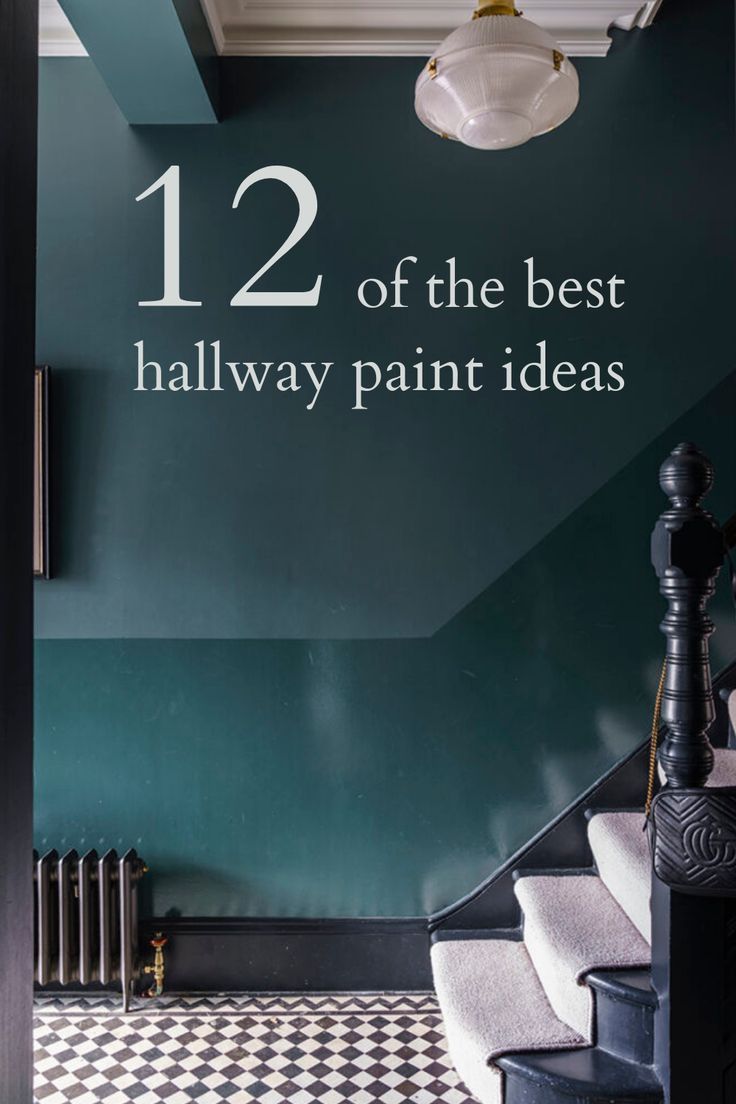
For a grander entrance, a deeper charcoal, elegant navy, or rich forest green can create a sophisticated, gallery-like atmosphere.
These darker shades add visual weight and drama, turning a wide hallway into a striking architectural feature that sets the tone for the rest of the home.
Coordinating with Home Style and Flow
Your hallway colors should act as a bridge between the rooms it connects, ensuring a seamless flow throughout your interior design.
Selecting a palette that harmonizes with adjacent spaces helps create a cohesive journey from room to room, rather than a disjointed series of separate areas.
Neutral Backdrops for Versatility
Neutrals such as beige, soft gray, and muted greys provide a flexible backdrop that complements artwork, furniture, and flooring without overwhelming the senses.
They are timeless, easy to refresh, and allow you to change accents seasonally or as trends evolve, making them a practical choice for most hallways.
Harmonizing with Existing Palette
Look to the dominant colors in nearby living areas or kitchen spaces when picking your shade, pulling a secondary color to use as your hallway accent.
This approach ensures the entire home feels intentional and designed as a whole, with the hallway playing a supporting yet important role in the overall scheme.
Practical Considerations and Timeless Appeal
While trend-driven colors can be tempting, considering durability and long-term satisfaction is crucial for a high-traffic area like a hallway.
Choosing clean lines and classic tones reduces the need for frequent repainting and ensures your space remains stylish through years of daily use.
Testing Samples in Real Light
Always test your chosen colors with large swatches on the wall to see how they look in different lighting conditions throughout the day.
This simple step prevents surprises and guarantees that the hues you love in the store will continue to feel like the best colours for a hallway once applied to your own space.
Selecting Trim and Accent Colors
Completing the look involves choosing trim shades that either match the walls for a subtle effect or contrast slightly to define door frames and baseboards.
Well-considered trim colors enhance architectural details and add polish, elevating the entire hallway design from ordinary to intentional.
When you take the time to explore different options and evaluate how each color interacts with light and space, you will naturally find the shades that resonate with your personal style and practical needs.
View your hallway as a blank canvas for experimentation, and trust your instincts to select tones that not only look beautiful today but continue to bring satisfaction every time you pass through.
Related Articles
What Are the Best Colors to Paint a Hallway? Stunning Ideas & Trends
Choosing paint colors for a hallway sets the tone for how people experience your home the moment they step inside this transitional space. This narrow corridor...

Modern Hallway Panelling Colours 2024 Trends Stunning Design Ideas
Choosing the right modern hallway panelling colours can dramatically alter the way you experience your home the moment you step inside. The hallway sets the...

What Color to Paint Entryway: Stunning Ideas & Trends
Choosing the right color to paint entryway is one of the quickest ways to elevate your home’s first impression and set the tone for the spaces that follow. The...

What Colour to Paint a Garden Bench: Stunning Ideas & Trends
Choosing the right colour to paint a garden bench is one of the simplest ways to refresh your outdoor space and express your personal style. A garden bench...

Modern Hallway Accent Wall Ideas Stunning Design Trends
Transforming a narrow hallway into a welcoming design feature starts with understanding the power of a modern hallway accent wall. This simple update can...
What Color Should You Paint a Foyer: Stunning Ideas & Trends
Choosing the right color for your foyer sets the tone for the entire home the moment someone steps through the door. This small space works like a stage...