12 Modern Interior Design Types For Your Home
Modern interior design is no longer just about filling a space with furniture; it is a dynamic conversation between function, feeling, and personal identity.
Today’s homeowners have access to a vast palette of styles, from clean architectural lines to globally inspired textures, allowing living environments to be as unique as the people who inhabit them.
Embracing Minimalist Foundations
Minimalism remains a powerful force in contemporary interiors, focusing on the philosophy that less truly can be more.


This approach strips a space down to its essential elements, using a restrained color palette and uncluttered layouts to create a sense of calm and visual order.
Clean Lines and Functional Forms
At the heart of minimalist design are furniture pieces and architectural features with strong, clean lines that prioritize utility without sacrificing elegance.


Every item in the room should serve a purpose, ensuring that surfaces remain clear and the eye can move through the space without distraction.
Neutral Palettes with Strategic Accents
A neutral color scheme, featuring shades of white, beige, gray, and soft taupe, provides the perfect backdrop for a minimalist home.
Designers often introduce subtle character through a single statement piece of art, a textured throw, or a small collection of carefully chosen ceramics in muted tones.


The Rise of Sustainable and Biophilic Design
There is a growing awareness of the impact materials have on both personal health and the planet, driving the popularity of sustainable interior choices.
Biophilic design takes this a step further by actively weaving natural elements into the built environment to strengthen the connection between occupants and the outdoors.
Eco-Friendly Materials and Artisan Craftsmanship
Consumers are increasingly seeking out reclaimed wood, recycled metals, and low-VOC paints to create healthier indoor air quality.


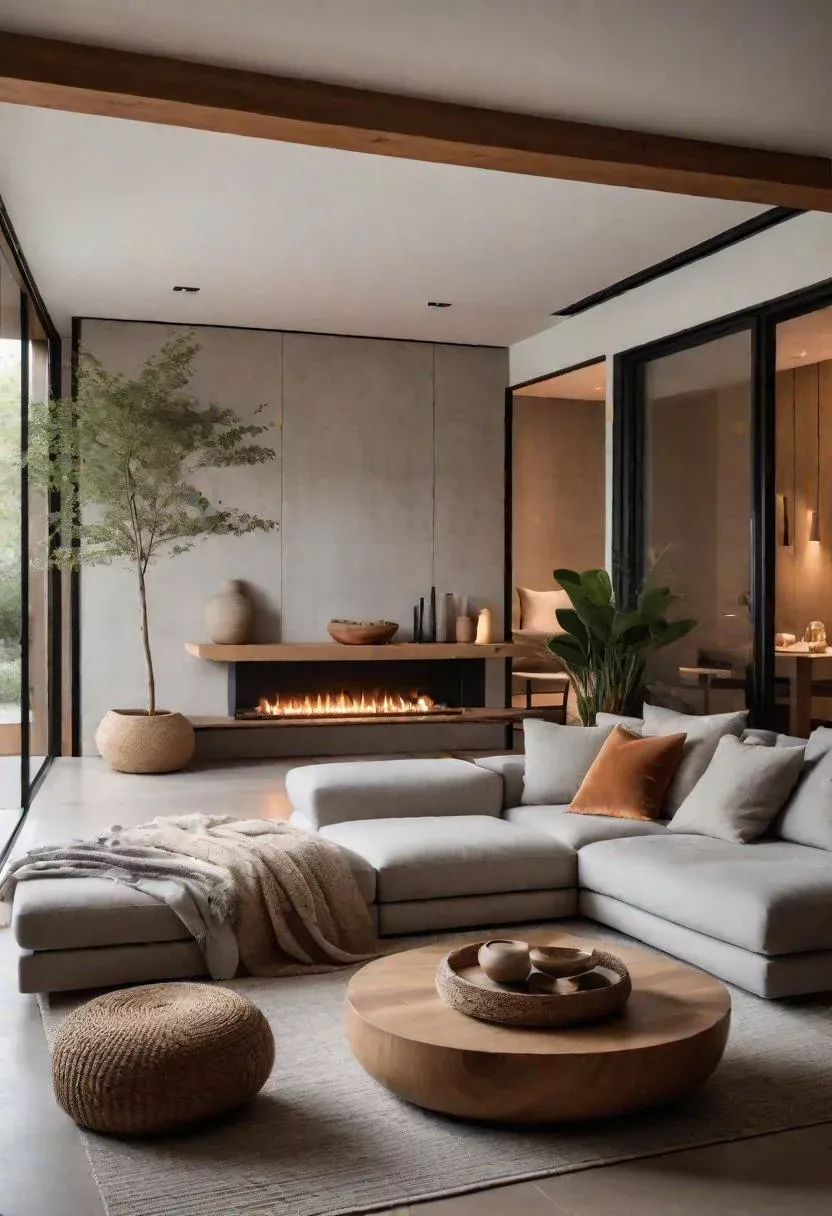

Handcrafted textiles and locally sourced stone add a sense of authenticity and warmth, turning a house into a home with a story.
Organic Shapes and Natural Light Optimization
n>Instead of rigid geometric forms, biophilic spaces often feature organic shapes that mimic patterns found in nature, such as leaf motifs or wave-like curves.
Maximizing natural light through sheer window treatments and strategic mirror placement helps blur the line between the interior and the surrounding landscape.
Modern Industrial and Urban Edge
For those who appreciate raw authenticity, the industrial aesthetic draws inspiration from converted lofts and commercial spaces.
This style embraces the building’s inherent structure, celebrating materials that are typically hidden behind walls in more traditional homes.
Exposed Elements and Utility Driven Layouts
Key characteristics include exposed ductwork, concrete or polished concrete floors, and visible beams that speak to the building’s history.
The layout tends to be open and flexible, minimizing non-essential partitions to maintain a sense of expansive freedom.
Metallic Finishes and Leather Accents
Matte black iron, brushed nickel, and antique brass fixtures provide a rugged contrast against softer textiles.
Genuine leather sofas, distressed wood tables, and vintage signage introduce a tactile quality that prevents the space from feeling cold or overly mechanical.
Soft Modern Comfort and Layered Aesthetics
Soft modern design strikes a balance between the chilly detachment of minimalism and the maximal energy of eclecticism.
It is characterized by a welcoming atmosphere, tailored silhouettes, and a mix of textures that invite you to linger in the space.
Curated Neutrals and Layered Lighting
A soft modern palette leans on warm beiges, greys, and off-whites, often layered with varying tones to add depth without overwhelming the senses.
Lighting plays a critical role here, combining sleek modern pendants with layered table and floor lamps to create a cozy, ambient glow after sunset.
Comfortable Lines and Mixed Metals
Furniture pieces are typically low-profile and comfortable, featuring curved armrests and plush cushions that encourage relaxation.
Mixing different metal finishes, such as gold and matte black, is acceptable in soft modern design, provided the items share similar shape and scale to maintain harmony.
Transitional Elegance and Timeless Balance
Transitional design is the art of compromise, merging the steadfast elegance of traditional furniture with the clean simplicity of contemporary lines.
The goal is to create a space that feels both current and classic, ensuring the home remains stylish for many years without appearing dated.
Tailored Textiles and Balanced Proportions
Expect to see tailored upholstery, such as tufted sofas and wingback chairs, dressed in luxurious fabrics like linen, cotton, and velvets.
Proportions are carefully considered; a large-scale rug grounds the seating area, while a delicate chandelier provides a touch of airy sophistication above.
Classic Detailing with a Modern Palette
While traditional details like crown molding and paneling are often present, they are painted in modern, neutral shades rather than heavy, ornate finishes.
This allows the architecture to enhance the room without competing with the furniture, resulting in a serene yet opulent environment.
Related Articles

Modern Interior Garden: 10 Stunning Design Ideas to Transform Your Space
Imagine stepping into a home where the boundary between indoors and outdoors dissolves, greeted by a lush, breathing wall of greenery that instantly calms the...

Modern Front Door Entrance Design Ideas 10 Stunning Upgrades For Your Home
Modern front door entrance design ideas serve as the visual anchor of your home, shaping the first impression long before anyone steps inside. As the primary...

25 Stunning Tuscan Style Interior Design Ideas For Your Dream Home
Embracing Tuscan style interior design ideas brings the warmth of the Italian countryside directly into your home, creating an atmosphere of relaxed elegance...

Stunning Interior Glass Door Ideas for Modern Home Design
Interior glass door ideas can completely transform the way a home feels, turning ordinary spaces into bright, connected environments. When chosen thoughtfully...

Modern Home Office Interior Design Ideas For A Productive Workspace
Creating a home office interior design modern approach is about more than just placing a desk in a corner; it is about crafting a space that fuels productivity...

Great Home Ideas Garden: 10 Stunning Design Tips To Transform Your Outdoor Space
Transforming your outdoor area into a personal sanctuary starts with great home ideas garden inspiration that reflects your unique style and lifestyle. A well...