Tropical Storm Gale Today: Latest Updates and Safety Tips
Residents along the coastal belt are closely monitoring the developing situation as tropical storm gale today brings heightened weather concerns to multiple regions. This intense weather system is generating powerful winds and heavy rainfall, prompting local authorities to issue urgent advisories for those in the storm's projected path.
Understanding the specific risks associated with tropical storm conditions is essential for public safety today. The combination of very strong gale force winds and torrential downpours creates a dangerous environment that requires immediate attention and preparation from communities in the affected zones.
Immediate Impact and Safety Measures
The primary concern with tropical storm gale today revolves around the immediate impact on infrastructure and daily life. Emergency services are on high alert, preparing for potential disruptions caused by the severe weather conditions currently unfolding.


Travel plans are being significantly altered as transportation networks face the brunt of the storm. Airlines are proactively canceling flights, while maritime authorities have restricted vessel movements to ensure the safety of crews and passengers amidst the turbulent seas.
Power and Infrastructure Risks
One of the most critical issues during a tropical storm of this intensity is the threat to the power grid. Strong winds pose a significant risk of downing power lines and damaging towers, leading to widespread and potentially prolonged outages for thousands of customers.


Local governments are urging residents to secure outdoor objects that could become projectiles in the high winds. Taking these simple preparatory steps can significantly reduce the risk of property damage and personal injury during the peak of the storm.
Flooding and Coastal Hazards
Heavy precipitation associated with the system is leading to rapid river level rises and flash flooding in low-lying areas. Drainage systems are being tested to their limits, making quick intervention necessary in vulnerable urban zones.
Coastal communities are bracing for storm surge, where water levels are expected to rise dramatically. This phenomenon presents a serious threat, capable of causing extensive flooding and erosion along the shoreline far beyond normal high tide levels.


Long-term Recovery and Preparedness
Even after the eye of tropical storm gale today passes, the challenges for affected regions will persist. The focus quickly shifts to assessing the full extent of the damage and initiating recovery efforts for impacted infrastructure and households.
Insurance claims are expected to surge as residents document the losses incurred during the event. This process will be crucial for individuals and businesses trying to rebuild and restore their lives in the aftermath of the storm.
Community Resilience and Support
Communities often display remarkable resilience in the face of such adversity, coming together to support those most affected by the disaster. Local organizations and volunteers play a vital role in distributing aid and providing comfort to neighbors in need.


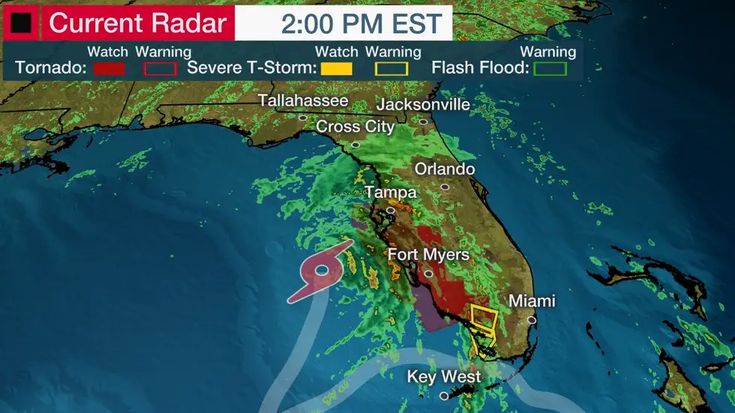


Looking ahead, this event serves as a stark reminder of the importance of robust weather monitoring and early warning systems. Investing in these technologies is key to improving our ability to prepare for and respond to future extreme weather events effectively.
Environmental and Economic Considerations
Beyond the immediate human impact, the tropical storm is leaving a mark on the local environment. Wildlife habitats may be disrupted, and natural landscapes can suffer damage that takes years to heal fully.
Economically, the storm is likely to cause significant short-term disruptions to local businesses, particularly in tourism and agriculture. The cost of repairs and lost productivity represents a substantial challenge for the regional economy in the days and weeks ahead.
As the weather patterns gradually stabilize, communities are taking stock of the situation and looking toward rebuilding with renewed determination. Sharing experiences and lessons learned helps foster a more prepared society for the next time the skies turn turbulent.
Related Articles

Tropical Storm Abbey: Latest Updates, Path Map, and Safety Tips
As the Atlantic hurricane season intensifies, residents across the Gulf and East Coasts are closely monitoring a developing disturbance known as tropical storm...

Missing Kids Springfield MA: Latest Updates and Safety Tips
Parents and community members in Springfield MA wake up worrying when a child does not come home on time, and the fear of missing kids in springfield ma...

Storm Welwyn Garden City: Expert Tips & Latest News
Located in the heart of Hertfordshire, storm welwyn garden city represents a fascinating chapter in the evolution of modern British urban planning. This unique...

Haldi New Games Latest updates and Play Today
The landscape of digital entertainment is constantly shifting, and one of the most vibrant segments today revolves around the concept of haldi new games. These...

Miami Gardens Car Accident Today: Latest Updates and Immediate Assistance
Residents and visitors are searching for clear information about Miami Gardens car accident today, looking for updates on local traffic incidents. When a...

What Happened in Miami Gardens Today Latest News Updates
Today in Miami Gardens, the city continues to buzz with energy as residents and visitors navigate the rhythm of South Florida life under clear skies and...