25+ Clever Tool Storage Ideas for Tool Boxes to Maximize Space
Finding smart tool storage ideas for tool boxes turns a daily chore into a streamlined routine that saves time and reduces frustration.
Whether you are a professional tradesperson or a weekend DIY enthusiast, the way you organize sockets, drivers, and accessories directly impacts your efficiency on every project.
Classify and Group Tools Before Assigning a Home
Start by separating hand tools from power accessories and fasteners, which makes it easier to see what you actually carry in each box.


When you group similar items, such as combining screwdrivers with their bit holders or taping related socket sizes together, you create a mental map that guides your hand every time you reach in.
Use Inserts and Trays to Define Zones
Factory foam or modular insert systems allow you to carve out dedicated slots for each socket, driver, and specialty bit, preventing the dreaded jumble at the bottom of the box.
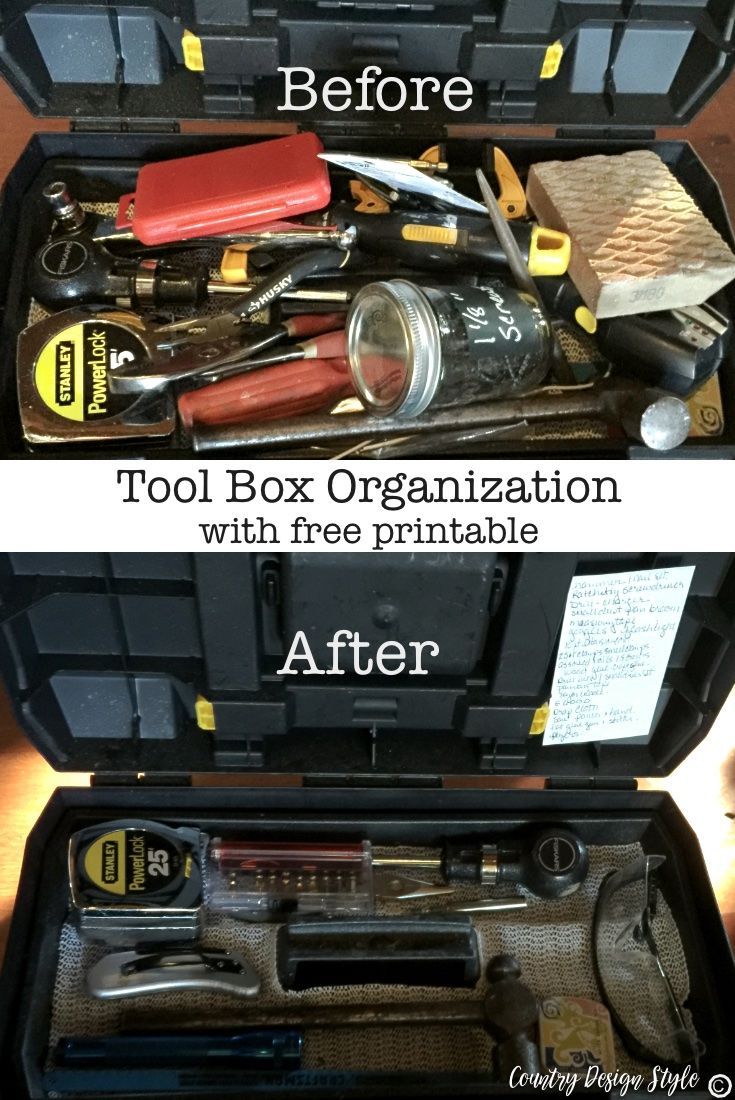


For a budget friendly option, consider custom cut foam mats or dense foam sheets that can be shaped to cradle awkwardly sized tools while keeping everything visible and easy to grab.
Color Coding and Labeling for Instant Recognition
Assign a color to each tray section or tool category, then snap a simple label holder so you never have to rummage through compartments to find a hex key.
Photograph a fully organized configuration and tuck a copy inside the lid; this visual reference is invaluable when you are packing for a job or quickly restoring order after a project.


Maximize Vertical and Flexible Layouts
Think beyond the flat bottom of the box by using removable side panels or expandable pouches that hang from the interior walls to store cables, tape, and marker pens.
By exploiting vertical space, you keep frequently used accessories in easy reach while still reserving the main compartment for bulkier hand tools and power modules.
Magnetic Strips and Small Containers
Peel and stick magnetic strips are excellent for securing metal tools like wrenches, keys, or multitools, ensuring they settle against the wall instead of rolling around.


Small sealable plastic bags or lightweight containers can be snapped into corners to hold screws, nails, or drill bits, and they protect sharp tools from knocking against each other.
Design for Mobility and Harsh Environments
If your tool boxes endure rough handling, vibration resistant fasteners and locked compartments help prevent organized setups from shifting into chaos during transport.
Look for stackable boxes or those with reinforced handles so that when you move one unit, the carefully arranged storage inside stays intact and ready for the next job.
Moisture Control and Impact Protection
Silica gel packs or small dehumidifying packets reduce rust on metal tools, extending their life and preserving the precision of measuring and cutting implements.
Soft lining materials, such as foam or felt pads, between trays and the box walls provide extra cushioning, guarding delicate instruments against dents and scratches.
Adapt and Maintain Your System Over Time
Regularly review how you actually use your tool storage ideas for tool boxes, and be willing to swap trays or adjust sections based on new projects or frequently used items.
Keeping a simple inventory sheet, either on paper or in a notes app, helps you notice when a category is growing and ensures your layout continues to match your workflow.
With a consistent layout, clear visual cues, and a few purpose built organizers, your tool boxes become reliable command centers that support precision, speed, and confidence on every job site.
Related Articles

Under Window Seat Storage Ideas Clever Solutions To Maximize Space
Optimizing the often-neglected gap beneath your windows can transform wasted airspace into a highly functional storage zone. With a few smart adjustments...

DIY Workshop Tool Storage Ideas Clever Space Saving Hacks For Makers
Every dedicated DIY workshop is a creative engine, yet a messy bench can grind projects to a halt. Effective DIY workshop tool storage ideas turn clutter into...

Small Outdoor Garden Tool Storage Ideas Clever Space Saving Solutions
Keeping your small outdoor garden tools organized does more than just tidy up a corner; it saves you time and protects your investment in every trowel and...

Smart Garden Storage Ideas: 10 Clever Ways To Maximize Space
Creating a beautiful and functional outdoor space often means finding smart garden storage ideas that keep essentials handy yet out of sight. A well organized...

Ikea Kids Playroom Storage Ideas Clever Ways To Organize Toys And Maximize Space
Designing an effective Ikea kids playroom storage plan turns chaotic toy piles into a space where creativity can truly flourish. By using clever Ikea...

Small Pantry Ideas Bloxburg: Maximize Space with Smart Storage Solutions
Creating a functional and stylish small pantry ideas bloxburg setup is one of the most rewarding home organization projects you can undertake, especially for...