Creative Tangram Puzzle Designs For Brain Teasing Fun
Tangram puzzle designs represent a timeless exercise in spatial reasoning and geometric creativity, where seven simple shapes unlock endless possibilities. This ancient Chinese dissection puzzle has evolved from a quiet parlor game into a vibrant source of inspiration for modern designers, educators, and artists. Each set includes a square, a parallelogram, two large triangles, one medium triangle, and two small triangles, all of which must fit together without overlap to form a specific outline. The beauty of tangram puzzle designs lies in their balance of simplicity and challenge, making them accessible for children yet deeply engaging for adults. Whether used in a classroom, a design studio, or a family game night, these puzzles invite players to visualize relationships between area, symmetry, and form.
Beyond entertainment, tangram puzzle designs serve as a powerful cognitive tool that strengthens problem-solving skills and mental flexibility. Players learn to rotate, flip, and combine shapes intuitively, developing an internal library of spatial patterns. This hands on approach to geometry helps bridge the gap between abstract mathematical concepts and tangible understanding. The minimalistic aesthetic of the seven pieces also appeals to modern sensibilities, aligning with minimalist design principles while offering rich complexity. As a result, tangram puzzles remain relevant across cultures and generations, proving that profound ideas can emerge from very simple elements.
Historical Origins and Cultural Impact
The origins of tangram puzzle designs trace back to imperial China, most likely emerging during the Ming dynasty as a form of intellectual pastime for scholars and elites. Known as "Tan Gram" or "Seven Boards of Cun," the puzzle was often carved from wood or inscribed on lacquerware, blending artistry with intellectual play. Over time, these designs spread through trade routes and storytelling, capturing the imagination of European educators in the nineteenth century. Travelers and missionaries brought the puzzle west, where it was embraced as a tool for teaching geometry and logical thinking. This cross cultural journey highlights how a simple idea can resonate globally, adapting to different educational and recreational contexts.


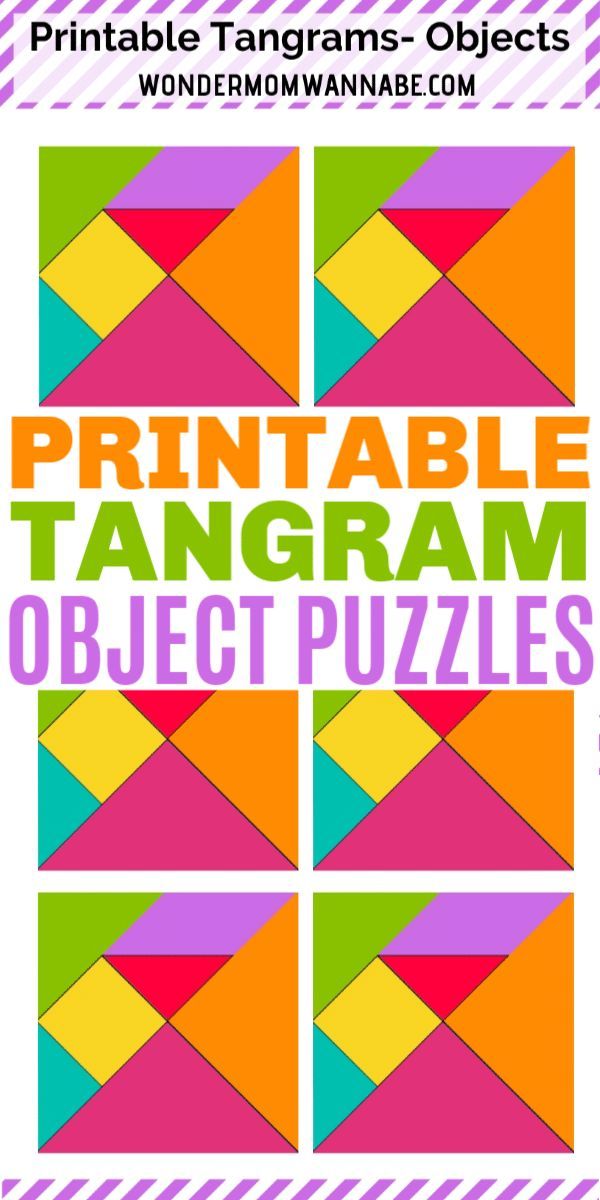
In the modern era, tangram puzzle designs have found a home in digital media, educational apps, and interactive exhibitions, reaching audiences far beyond physical puzzles. Museums around the world feature large scale tangram installations, encouraging visitors to manipulate actual pieces or solve projected outlines on screens. Educators use printable tangram sheets as low cost resources for teaching fractions, area, and symmetry in a hands on way. Graphic designers draw inspiration from the silhouettes created by the seven pieces, incorporating them into logos, patterns, and user interface elements. The puzzle’s versatility ensures that its cultural footprint continues to expand, influencing both play and professional creative work.
Educational Benefits for Children and Classrooms
In educational settings, tangram puzzle designs are celebrated for their ability to make abstract mathematical ideas concrete and enjoyable. Children learn to recognize shapes, understand congruence, and explore symmetry by physically arranging the pieces to match target outlines. Teachers often use these puzzles to introduce concepts like area, perimeter, and fractions in a tactile and low pressure environment. Because each puzzle has multiple solutions, students are encouraged to experiment, take risks, and refine their spatial reasoning without fear of a single correct answer. This open ended nature supports differentiated instruction, allowing learners at various levels to engage meaningfully with the same material.


Research in cognitive development suggests that regular engagement with tangram puzzle designs can improve mental rotation skills, visual memory, and problem solving persistence. When children work in pairs or small groups to solve a challenging outline, they practice communication, collaboration, and reasoning aloud, which reinforces their understanding. Digital versions of tangram puzzles further extend learning by providing instant feedback and progressive difficulty levels, keeping students motivated. By integrating these puzzles into lesson plans, educators create opportunities for joyful discovery, where mathematics feels like a game rather than a series of rigid rules.
Design and Aesthetic Applications in Art and Architecture
Beyond education, tangram puzzle designs have inspired artists and architects who appreciate their geometric purity and modular potential. The seven pieces can be arranged to form intricate silhouettes, from animals and objects to abstract compositions, that balance negative and positive space. Artists use these arrangements as starting points for paintings, sculptures, and digital illustrations, exploring how simple forms can convey complex narratives. In architecture, the concept of modularity derived from tangram thinking informs floor plans, facade patterns, and movable furniture systems that prioritize flexibility and user customization. This design philosophy echoes the puzzle’s core principle: a limited set of elements can generate a wide variety of configurations when governed by clear rules.
Contemporary graphic designers frequently reference tangram puzzle designs when creating branding, icons, and pattern libraries that need to feel both structured and playful. The shapes lend themselves well to minimalist aesthetics, where clean lines and negative space communicate clarity and sophistication. Some interior designers even develop room layouts based on tangram like modules, allowing spaces to be reconfigured for different functions without major renovations. By studying how these seven pieces interact, creatives gain insights into balance, proportion, and harmony that translate into elegant, human centered solutions.


Modern Digital Adaptations and Interactive Experiences
Digital technology has transformed tangram puzzle designs into dynamic, interactive experiences that reach new audiences. Touchscreen apps allow users to drag, rotate, and snap pieces into place, often with guided challenges, hint systems, and progressive difficulty curves. These platforms preserve the core logic of the traditional puzzle while adding features like timers, scoring, and online leaderboards, which appeal to competitive players. Augmented reality experiences take tangram further by projecting three dimensional puzzles into physical environments, encouraging movement and spatial awareness. As a result, what began as a flat wooden game now exists in immersive formats that blend physical and digital interaction.
Gamification experts note that tangram puzzle designs are ideal for teaching computational thinking, as each solution requires planning, iteration, and debugging of approach. Programming environments and coding tutorials sometimes use tangram like problems to introduce concepts like loops, conditionals, and algorithms in a visual way. Educators developing STEAM curricula appreciate how these puzzles connect logical reasoning with artistic creativity, supporting a more holistic view of problem solving. The adaptability of tangram concepts to both low tech and high tech contexts ensures their continued relevance in an increasingly digital world.
Customizable Puzzles and Personalization Trends
Modern creators now offer customizable tangram puzzle designs, allowing users to upload images or choose themes that reflect personal interests, from nature scenes to pop culture references. These personalized puzzles maintain the classic seven piece structure while presenting unique outlines that resonate with individual players. Businesses use customized tangram kits as promotional gifts or team building tools, embedding company logos or motivational shapes into the challenge. The process of designing these tailored puzzles also highlights the mathematical constraints of the tangram system, reminding creators that even within strict rules, originality is possible.



Social media platforms host vibrant communities where enthusiasts share newly crafted tangram outlines, solution videos, and design tips. Hashtags dedicated to tangram art enable people to discover innovative silhouettes, compare solving strategies, and collaborate on particularly difficult challenges. This online exchange fosters a sense of belonging among solvers, who appreciate both the intellectual satisfaction and the aesthetic appeal of well composed puzzles. As these communities grow, they keep the tradition of tangram puzzle designs alive while pushing the boundaries of what the classic pieces can represent.
Practical Tips for Creating and Solving Tangram Puzzles
For newcomers eager to explore tangram puzzle designs, starting with simple outlines such as basic animals or everyday objects can build confidence and familiarity with piece relationships. It helps to begin by identifying the larger shapes, such as the square or parallelogram, within the target outline before filling in details with triangles. Practicing mental rotation of each piece, imagining how a triangle might align with a given edge, speeds up solving over time. Keeping a physical set on hand while also experimenting with digital versions can reinforce understanding through multiple modes of interaction, making the learning process more robust and enjoyable.
Designers who wish to create their own tangram puzzles should start by sketching an outline that can be cleanly divided into the seven standard pieces, avoiding overly intricate details that might obscure the underlying geometry. Testing each puzzle by physically assembling the pieces ensures that the outline is solvable and that the pieces fit snugly without gaps. Balancing difficulty is also important, offering a mix of straightforward and challenging outlines to maintain engagement across different skill levels. Thoughtfully designed tangram puzzle sets can provide hours of enriching entertainment while subtly developing critical spatial and analytical abilities.
Whether you encounter tangram puzzle designs in a classroom, a museum, or a mobile app, their blend of simplicity and depth continues to spark curiosity and creativity. They remind us that constraints can foster innovation, and that a small set of elements, when arranged with intention, can yield remarkably diverse outcomes. As you explore new shapes, silhouettes, and challenges, consider how these timeless puzzles might inspire your own approach to problem solving and design. Approaching each puzzle with patience and playfulness opens the door to unexpected insights, inviting you to discover how geometry, imagination, and logic work together in elegant harmony.
Related Articles

Creative Puzzle Room Ideas for Brain Teasing Fun
Creating engaging puzzle room ideas can transform an ordinary space into an unforgettable test of wit and teamwork. Whether you are designing a professional...

Creative Puzzle Door Decoration Ideas For A Brain Teasing Entrance
Puzzle door decoration transforms an ordinary entrance into a captivating focal point that instantly intrigues guests and residents alike. This creative...

Creative Puzzle Basket Ideas For Brain Teasing Fun
Creating a puzzle basket is a simple and joyful way to bring moments of curiosity and calm into everyday life. Whether you are searching for a thoughtful gift...

Creative Tangram Puzzle Ideas for Brain Teasers and Learning
Tangram puzzle ideas invite you to explore a world of geometric creativity that blends logic, art, and problem solving into a single, elegant shape game...

Unique Puzzle Ideas Creative Brain Teasers for Kids and Adults
Unique puzzle ideas can transform a quiet evening into a memorable experience that brings friends and family closer together. Instead of reaching for the same...

Creative Dnd Door Puzzle Ideas Traps Riddles And Brain Teasers
Designing a DnD door puzzle can transform a simple hallway into a memorable test of wit for your players. These challenges offer more than just a lock to pick...