10 Best Tall Garden Bed Plans for Maximizing Your Space and Yield
Creating a tall garden bed plan transforms a simple patch of earth into a highly functional and visually striking feature in your outdoor space. These elevated structures offer superior drainage, warmer soil, and easier access, making them ideal for both experienced gardeners and beginners. By thoughtfully designing the height, dimensions, and placement, you can maximize your growing area while adding structure and year round interest to your landscape. This guide walks you through the key considerations and practical steps to build a beautiful and productive raised bed.
A well planned tall garden bed plan addresses common gardening challenges such as poor soil quality, limited space, and back strain. The increased elevation reduces the need for painful bending, while the defined edges create a neat, organized look that complements both formal and cottage style gardens. Thoughtful planning ensures that every inch of the bed is used efficiently, allowing you to grow a diverse mix of vegetables, herbs, flowers, and companion plants in a unified design.
Planning Your Tall Garden Bed Dimensions and Location
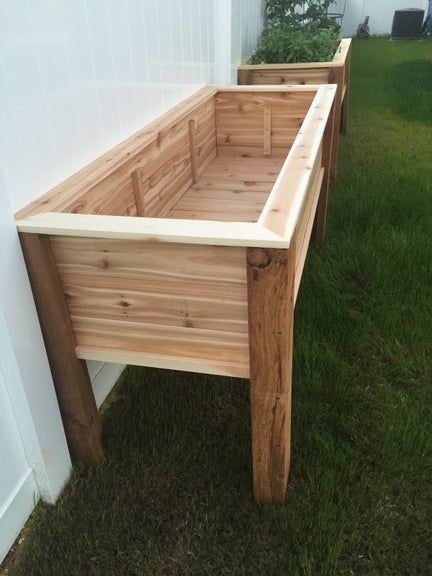
The first step in any tall garden bed plan is determining the right dimensions for your available space and physical needs. Consider a height between two and four feet for comfortable access without excessive bending, while ensuring the width allows you to reach the center from both sides. Length should be guided by the site, but keeping beds around four feet wide ensures optimal soil aeration and reduces compaction, which is essential for healthy root development.


Choosing the correct location is equally important, as it dictates the success of your plants. Position your tall garden bed where it will receive a minimum of six hours of direct sunlight daily, preferably in the morning sun to dry foliage and reduce disease risk. Avoid low lying areas prone to frost pockets or strong wind, and make sure the structure is close to a water source for consistent and efficient irrigation.
Selecting Materials for Long Lasting Beds
Choosing durable materials is a critical part of a smart tall garden bed plan, as they determine the longevity and maintenance requirements of the structure. Rot resistant woods such as cedar or redwood are excellent choices because they naturally resist decay and insect damage without the need for constant chemical treatment. For a more modern look, composite lumber or reclaimed timber can provide strength and visual character while minimizing environmental impact.


You should also evaluate the structural integrity of the materials, especially for taller designs that must withstand soil pressure and seasonal weather changes. Galvanized steel, stone, or interlocking concrete blocks are sturdy alternatives that offer clean lines and long term stability. Whichever material you select, ensure it is safe for growing food by avoiding treated woods or metals that may leach harmful chemicals into the soil.
Designing Accessibility and Aesthetic Appeal
Integrating accessibility into your tall garden bed plan makes gardening more enjoyable and sustainable over time. Pathways should be wide enough for a wheelbarrow or mower, and the ends of the bed can be lowered slightly to create gentle entry points for easier stepping in and out. Adding curved edges or rounded corners not only softens the look but also reduces the risk of injury while working around the structure.
From a design perspective, a tall garden bed can serve as a dramatic architectural element in the landscape. You can incorporate features like integrated seating, lighting, or decorative edging to enhance its visual impact. Coordinating the bed’s material and color with nearby patios, fences, or home accents creates a cohesive and polished appearance that elevates the entire outdoor environment.




Building the Structure and Preparing the Soil
Once your tall garden bed plan is finalized, the construction phase begins with assembling the frame on a level surface. Start by cutting the boards or panels to size, then join them using sturdy corner brackets, screws, or interlocking mechanisms that allow for slight adjustments. For extra stability in taller beds, consider adding internal braces or legs that transfer the weight to the ground and prevent lateral shifting during heavy rain or wind.
After the frame is securely built, position it in place and backfill with a layered mix of topsoil, compost, and coarse organic matter to promote drainage and fertility. Avoid compacting the soil as you fill the bed, and aim for a slightly domed surface that encourages water runoff away from the walls. A final layer of mulch on top helps retain moisture, suppress weeds, and gradually enrich the soil as it breaks down.
Optimizing Drainage and Root Health
Proper drainage is essential in a tall garden bed plan, especially when the walls are higher and the soil mass is substantial. Drill or cut drainage holes in the base if the bed sits on an impermeable surface, and consider installing a gravel layer or perforated pipe at the bottom to channel excess water away from the roots. This prevents waterlogging, which can lead to root rot and other moisture related diseases.


To further support root health, use a high quality soil blend tailored to the types of plants you intend to grow. Incorporate organic matter such as leaf mold, well rotted manure, or worm castings to improve structure and nutrient availability. Regularly testing the soil and amending it with balanced fertilizers ensures that your tall garden bed remains a thriving, productive environment season after season.
Implementing Smart Layouts and Companion Planting
Strategic layout planning maximizes the productivity of your tall garden bed plan, allowing you to grow more in a smaller footprint. Arrange taller crops like corn, pole beans, or sunflowers at the back or center, and position shorter plants such as lettuce, radishes, or strawberries in front to ensure good air circulation and light penetration. Using vertical space with trellises, cages, or wall planters further expands your growing capacity without increasing the bed’s ground coverage.
Companion planting plays a powerful role in pest management and plant vigor, making it a valuable component of any tall garden bed plan. Pairing basil with tomatoes, marigolds with peppers, or carrots with onions can improve growth, enhance flavor, and deter harmful insects naturally. By designing the bed as a balanced ecosystem, you create a resilient space that requires fewer chemical interventions and offers richer harvests.
Maintaining and Enhancing Your Tall Garden Bed
Ongoing maintenance is key to preserving the beauty and productivity of your tall garden bed plan throughout the growing season. Regularly remove weeds before they compete for nutrients, water consistently but deeply rather than frequent shallow watering, and monitor plants for early signs of pests or disease. Seasonal tasks such as pruning, deadheading, and soil top dressing keep the bed vibrant and well balanced, while also encouraging continuous blooming or fruiting.
Over time, you can refine your tall garden bed plan based on what works best in your climate and space. Rotate crops annually to prevent soil borne diseases, refresh the compost layer each spring, and replace any materials that show signs of wear. Evolving your design to include new features, such as removable panels for winter protection or integrated drip irrigation, ensures that your bed remains efficient, attractive, and enjoyable year round.
As you gain experience with your tall garden bed, you will discover how small adjustments in height, layout, and plant selection can dramatically improve both aesthetics and yield. Every season offers an opportunity to refine the design, experiment with new companions, and deepen your connection with your outdoor space. Continuing to explore and adapt your tall garden bed plan ensures that it remains a rewarding centerpiece that reflects your personal style and growing expertise.
Related Articles

10 Best Layout Ideas for a Small Vegetable Garden maximizing space yield
Designing the best layout for a small vegetable garden is about working smarter, not harder, to maximize your space and harvest. When you have limited square...

Best Plants for Small Garden Bed Ideas Maximize Space and Yield
Designing a small garden bed can feel overwhelming, but with the right strategy you can create a lush and productive display in even the most compact space...
Amazing Garden DIY Plans For Beginners To Transform Your Outdoor Space
Garden DIY plans are an excellent way to transform any outdoor space into a personal sanctuary while saving money and adding a unique touch. Whether you are...

DIY Raised Vegetable Garden Plans: Build Your Best Harvest Now
Creating your own diy raised vegetable garden plans is one of the most rewarding projects a home cook or nature lover can tackle, because it turns a small...

Small Vegetable Garden Design Pictures 25 Ideas For Maximizing Space And Yield
Designing a small vegetable garden can transform a tiny backyard corner into a productive and beautiful retreat, and small vegetable garden design pictures are...

cute small vegetable garden ideas for maximizing your tiny space
Imagine stepping onto your balcony or into a tiny backyard and being greeted by a burst of fresh green life, a cute small vegetable garden packed with...