Small Bog Garden Plants UK: 10 Best Choices for a Lush Bog Garden
Creating a small bog garden plants UK scheme is one of the most rewarding ways to bring texture, colour and year round interest to a damp corner of your outdoor space. Whether your garden is a modest courtyard or a larger suburban plot, you can design a beautiful display that mimics the rich, peaty habitats found naturally across Britain.
In this guide, we focus specifically on small bog garden plants UK growers can rely on to create a low maintenance, wildlife friendly display that thrives in consistently moist conditions. From striking foliage to delicate flowers, the right plant choices will turn a potentially problematic wet spot into a thriving feature that feels both natural and curated.
Choosing the Right Location and Soil
Site selection is crucial when planning small bog garden plants UK projects, because even moisture loving species can struggle if the surrounding conditions are wrong. Ideally, you should choose a spot that receives plenty of light, although dappled shade is also acceptable for many varieties, especially in hotter regions where intense afternoon sun can scorch the foliage.


You also need to think about drainage, or rather the lack of it, since a bog garden retains water for longer than a typical border. If your soil is naturally heavy and clay based, you can work with it by digging a shallow basin and lining it with a protective mat to prevent roots from becoming waterlogged. Alternatively, creating a raised structure using bricks or stones can help you control the water level more precisely while keeping the planting area clearly defined.
Using a Liner for Moisture Control
For many smaller installations, a butyl pond liner or a heavy duty polythene sheet is an excellent way to create the necessary moisture reservoir. You should dig a shallow hole, lay the liner carefully, pierce a few small drainage holes to prevent the water from becoming stagnant, and then top up with a mix of loam based compost and grit to create a planting medium that holds moisture yet still allows oxygen to reach the roots.


When you line the area, make sure the liner extends slightly above the ground level so you can disguise it with soil and stones later. This technique is especially useful for small bog garden plants UK enthusiasts who want a tidy, contained appearance without the permanence of a dug out pond, and it makes maintenance much easier over the years.
Maintaining the Perfect Water Level
Regular watering is usually unnecessary once the bog is established, as long as the water table remains consistent. However, during prolonged dry spells you may need to top up the reservoir using rainwater collected in a water butt. Avoid using tap water whenever possible, because the added chemicals can alter the pH and affect sensitive bog species.
Keeping the surface slightly damp rather than flooded will encourage a healthy mix of mosses and low growing plants, while preventing the centre from drying out completely. This balance is key when you are working with small bog garden plants UK spaces, where excess water can quickly turn an attractive feature into a muddy patch that is difficult to navigate.


Selecting Diverse Plant Combinations
A successful small bog garden plants UK display relies on thoughtful layering, combining bold architectural specimens with finer leaved accents to create year round interest. You should aim for a mix of evergreen and deciduous plants so that the space remains attractive even in the depths of winter, when many herbaceous perennials die back to the ground.
Colour palettes can range from subtle greens and bronze tones to vibrant reds and soft pinks, depending on your personal taste and the amount of available light. By planning your planting in layers, with taller plants at the back or centre and gradually lower species towards the edges, you create depth and ensure that every angle of the garden offers something worth seeing.
Architectural Foliage Plants
Plants with bold, architectural leaves are ideal for anchoring a small bog garden and providing structure throughout the year. Rodgersia, for example, produces dramatic palm like foliage and tall spires of star shaped flowers, while gunnera brings enormous leaves that make a tropical statement in damp UK gardens.


For a more understated approach, hostas with their lush, textured leaves can thrive in partial shade near the waterline, especially if you choose varieties bred for slug resistance. These foliage plants not only look impressive but also create microhabitats that shelter insects and other small creatures, adding ecological value to your small bog garden plants UK design.
Flowering Marginals and Moisture Lovers
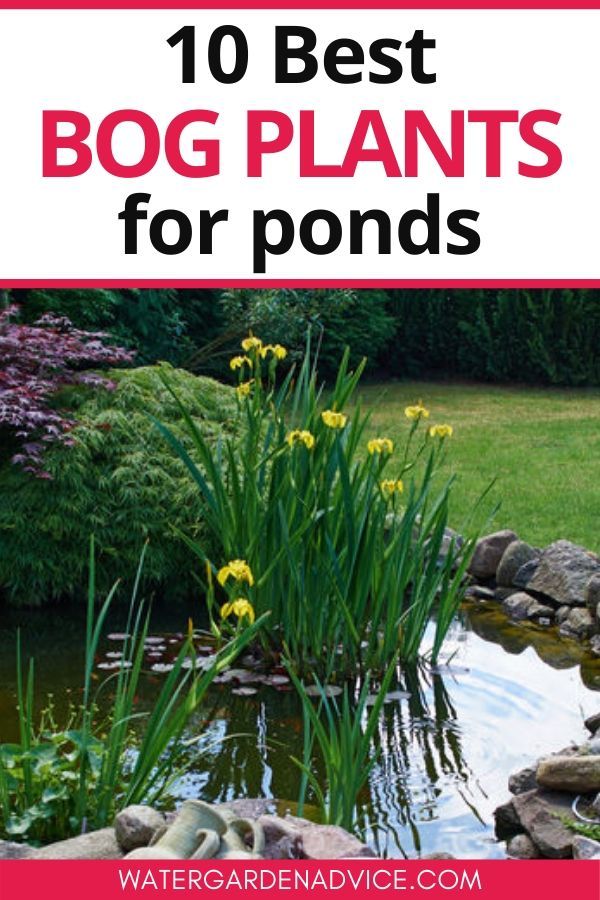
No bog garden is complete without a selection of flowering marginals that enjoy wet feet and help to soften the edges of the planting area. Caltha palustris, commonly known as marsh marigold, delivers a glorious splash of buttercup yellow in early spring, while irises such as Iris versicolor add graceful, sword like foliage and elegant blossoms in shades of blue and purple.
For long summer colour, consider loosestrife, either the vibrant Lysimachia punctata or the gentler Lysimachia nummularia 'Aurea', which offers bright golden leaves that contrast beautifully with darker green companions. These plants are perfectly suited to small bog garden plants UK schemes because they combine toughness with ornamental appeal and are generally straightforward to grow.
Wildlife, Maintenance and Long Term Care
One of the greatest joys of a small bog garden plants UK project is the wildlife it attracts, from frogs and newts hunting for insects to dragonflies patrolling the water surface. By avoiding pesticides and embracing a slightly more natural style of gardening, you encourage biodiversity and help local species thrive in an increasingly fragmented urban landscape.
Maintenance is relatively straightforward, but a few simple habits will keep your planting healthy and visually appealing. Regularly remove any decaying plant material, divide overgrown clumps every few years, and trim back dead or dying foliage in late winter or early spring. This routine helps prevent disease, maintains good air circulation and ensures your small bog garden continues to look fresh and welcoming.
Seasonal Interest Through the Year
Planning for seasonal variation ensures that even a modest bog garden feels alive through every month of the year. In spring, emerging shoots, delicate flowers and nesting birds provide constant discovery, while summer brings lush growth and a profusion of blooms that feed pollinators.
Autumn adds rich tones and seed heads that birds eagerly feast on, and winter reveals the sculptural forms of grasses, bark and bare stems. By choosing a thoughtful mix of small bog garden plants UK suited to our climate, you create a space that changes with the seasons and rewards careful observation no matter the weather.
Overcoming Common Challenges
Slugs and snails may see your damp corner as an all you can eat buffet, but many gardeners find that healthy plant diversity and natural predators keep populations in check without resorting to chemical controls. If algae become an issue on the water surface, introducing a few aquatic plants like water forget me not or floating marsh marigold can help shade the water and reduce growth.
Another challenge is ensuring that plants do not become too crowded, which can lead to reduced flowering and increased vulnerability to disease. Staying on top of division and refreshment, especially for vigorous spreaders, preserves the balance of your small bog garden plants UK design and ensures that every corner of the space continues to perform at its best.
With careful planning, consistent moisture and a mix of architectural and flowering species, your small bog garden can become a cherished sanctuary that feels both wild and meticulously designed. Paying attention to the specific needs of each plant, observing how water moves across the site through the seasons, and adjusting your planting over time will help you create a resilient, beautiful space you can enjoy for years to come.
Related Articles

Best Small Border Plants for a Lush Compact Garden
Designing a small border garden can feel like working with a blank canvas where every plant choice matters. The goal is to create a layered, vibrant display...

Best Plants for Small Garden Bed Ideas Maximize Space and Yield
Designing a small garden bed can feel overwhelming, but with the right strategy you can create a lush and productive display in even the most compact space...

Maximize Your Small Garden Plot with the Best Plants to Grow
Growing a thriving small garden plot is one of the most rewarding ways to bring beauty, food, and calm into your daily life. Whether your outdoor space is a...

Native Plants for Pond Edges: 10 Best Choices for a Thriving Water Garden
Choosing the right native plants for pond edges creates a seamless transition between water and land while strengthening your local ecosystem. These carefully...

The Best Plants for a Thriving Garden: Easy and Beautiful Choices
Starting a garden is an exciting decision that connects you deeply with nature while transforming your outdoor space into a vibrant sanctuary. Choosing the...

Small Shrubs for Sunny Garden: 10 Best Choices for Vibrant Outdoor Space
Choosing small shrubs for sunny garden spaces is one of the smartest decisions a homeowner can make for lasting curb appeal. These versatile plants deliver...