Small Bog Garden Ideas UK 10 Easy Designs For Damp Spaces
Creating a small bog garden ideas uk is one of the most rewarding ways to bring a touch of wild, wetland charm to your outdoor space, especially in the UK where the climate is naturally moist. These miniature wetlands support a fantastic variety of plants that thrive in consistently damp conditions, turning a problematic patch of soggy ground into a stunning feature. For many gardeners across the country, what was once a drainage headache can become a haven for wildlife and a personal retreat filled with the gentle sounds of running water and rustling foliage. With a bit of careful planning, you can design a vibrant, low-maintenance ecosystem right on your patio or in a quiet corner of the garden.
The key to a successful bog garden ideas uk lies in replicating the natural water-logged environment these plants crave without the need for a large natural pond. This is entirely achievable in even the smallest of spaces by using a liner or a dedicated container to create the moisture-loving zone. The result is a dynamic display that changes with the seasons, offering interest from early spring blossoms to the rich autumn colours of bog foliage. Planning the layout and selecting the right combination of plants ensures your creation is both beautiful and ecologically beneficial, attracting insects, birds, and other beneficial creatures to your outdoor area.
Designing Your Miniature Wetland
The first step in your small bog garden ideas uk project is deciding on the physical structure that will hold the water. A simple and effective method is to dig a shallow pit and line it with a robust pond liner, which prevents the water from seeping away into the surrounding soil. Alternatively, you can use a half-barrel or a large outdoor container, which is often the preferred choice for smaller spaces or for those who want maximum control over the soil composition and placement. The goal is to create a reservoir that keeps the planting area consistently damp, mimicking the conditions found along riverbanks or in natural moorlands across the UK.


Positioning is another critical element of the design process for your small bog garden ideas uk. Most moisture-loving plants perform best in locations that receive ample sunlight, although a little light shade during the hottest part of the day can be beneficial in some regions to prevent the compost from drying out too quickly. You should also consider the visual integration of the feature, aiming to place it where it can be easily enjoyed from a window or a favourite seating area. Ensuring the water level is easy to maintain will make the upkeep of your wetland much more manageable and enjoyable throughout the year.
Choosing the Right Liner and Structure
For the liner, butyl rubber is the material of choice due to its exceptional durability and flexibility, allowing it to conform to the shape of your pit without tearing. When installing it, always add plenty of protective underlay to shield the liner from stones and roots that could puncture it, and ensure there is enough overlap to secure the edges neatly with soil or stones. If you are using a container like a half barrel, you can simply fill it with a mix of topsoil and ericaceous compost to create your bog substrate. The structure you choose will determine how you manage the water level, so selecting a method that allows for easy adjustment is a smart move for long-term success in your small bog garden ideas uk.


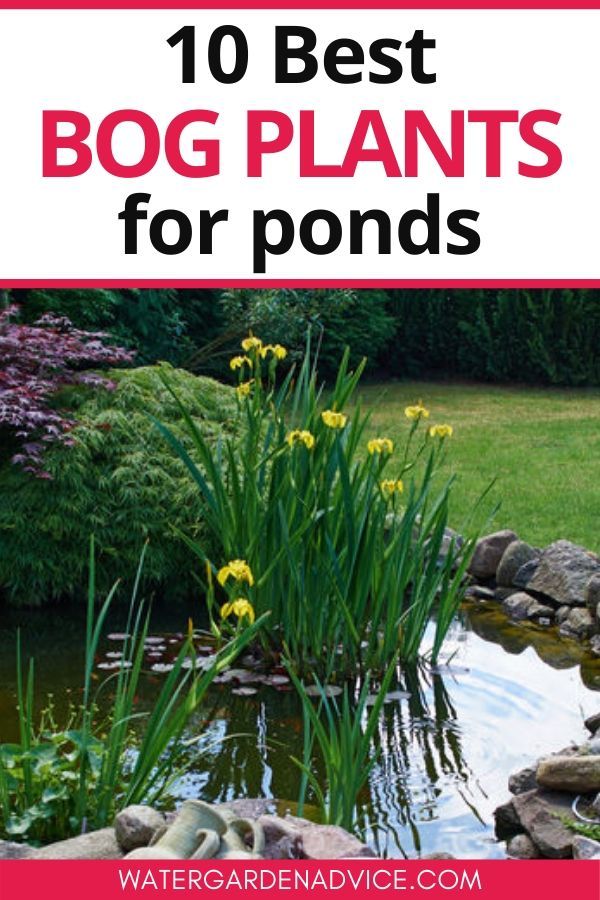
Another option for the more adventurous gardener is to create a deeper marginal area within the bog garden, which accommodates plants that enjoy their roots in water but have their foliage in the air. This can be achieved by placing bricks or specialised planting shelves at the bottom of the liner to create varying depths. This variation in depth adds visual interest and creates different microhabitats for your plants, allowing you to cultivate a more diverse range of species within the same small bog garden ideas uk setup. It transforms a simple water feature into a more complex and ecologically rich environment.
Soil Mix and Initial Planting
The growing medium for a small bog garden ideas uk is typically a blend of topsoil and ericaceous compost or peat-free alternatives, which helps retain moisture while still providing essential nutrients. It is vital to avoid using regular garden soil, as it can introduce weed seeds and pests into your carefully curated wet environment. When planting, group species together according to their specific moisture needs, placing the most water-loving varieties right at the edge where the soil is perpetually wet. This careful arrangement ensures that each plant receives the exact conditions it needs to thrive.
As you plant, consider the eventual spread and height of the vegetation to avoid overcrowding in your small space. Taller architectural plants like irises can be placed towards the back or centre, while trailing plants such as bog bean can soften the edges of the container or pond liner. Layering the planting in this way creates a lush, full appearance from the very first season. Remember to water your new bog garden thoroughly after planting to eliminate any air pockets around the roots and to settle the soil.


Selecting the Perfect Plants
Choosing the right plants is the most exciting part of developing your small bog garden ideas uk, as this selection determines the colour, texture, and year-round interest of the feature. British native plants are often the best performers in these conditions, as they are naturally adapted to the damp climate and local soil types. Popular choices include the vibrant purple flowers of purple loosestrife, the delicate white blooms of bog asphodel, and the striking orange spikes of great bogwort. These species not only look stunning but are also excellent at attracting pollinators like bees and butterflies to your garden.
For smaller spaces or containers, dwarf varieties of classic bog plants are an excellent solution, offering all the visual impact without becoming too dominant. Plants such as dwarf Iris versicolor or compact forms of Cotton Grass can provide the characteristic wetland look while fitting neatly into a limited area. When selecting your plants, always check the eventual spread and growth habit to ensure they will coexist peacefully in the shared moist environment of your small bog garden ideas uk.
Seasonal Interest and Wildlife Value
A well-planned small bog garden ideas uk will provide visual interest across all four seasons, not just in the summer months. In spring, you can enjoy the fresh greenery and the emergence of buds, while summer brings a breathtaking display of flowers in every hue imaginable. Autumn transforms the bog with rich reds, oranges, and browns from plants like marsh marigold variants, and even in winter, the structure of the seed heads and frosted foliage maintains the garden’s presence. This continuous cycle ensures that your wetland retreat remains a focal point in the landscape year-round.


Beyond aesthetics, the wildlife value of your bog garden is significant, as it creates a vital habitat for frogs, newts, and dragonflies looking for breeding grounds. The damp environment supports a complex food web, with insects thriving on the lush foliage and birds drawn in to feast on these protein-rich creatures. By including a variety of plant heights and densities, you provide shelter and hunting grounds for these visitors, turning your small bog garden ideas uk into a thriving micro-ecosystem that actively contributes to the biodiversity of your local area.
Maintenance and Ongoing Care
Maintaining a small bog garden ideas uk is generally straightforward, as the plants are well-suited to wet conditions where many other species would struggle or rot. The primary task is to keep the water level consistent, topping it up during particularly dry periods to prevent the soil from drying out completely. In the spring, a gentle tidy-up of any dead or dying foliage is usually sufficient, and you should avoid the urge to be too neat, as the decaying plant matter contributes valuable nutrients to the soil and provides shelter for over-wintering insects.
Every few years, you may need to divide overgrown clumps of perennials to maintain healthy growth and prevent the more vigorous species from taking over the entire space. This process also allows you to propagate new plants for other areas of your garden or to share with neighbours. Regularly checking the liner for any signs of damage and ensuring that the pumps or water features are clean will prevent unexpected problems. With this simple care routine, your small bog garden ideas uk will continue to flourish and bring you joy for many years to come.
By following these small bog garden ideas uk, you can transform a damp corner of your property into a vibrant and thriving wetland sanctuary that feels like a world away. Whether you have a sprawling garden or a modest balcony, there is a way to incorporate the beauty and tranquility of a bog garden into your life. The journey from a simple liner and soil mix to a lush, wildlife-rich habitat is incredibly satisfying and offers endless opportunities for observation and learning. Embrace the process, enjoy the evolving landscape, and let your personal wetland oasis grow and change with the seasons.
Related Articles

Low Maintenance Small Garden Ideas South Africa Easy Outdoor Spaces
Creating a small garden in South Africa that is easy to care for does not mean you have to sacrifice colour, fragrance, or abundant harvests. Many homeowners...

Cheap Garden Area Ideas On A Budget: Stunning Designs For Small Spaces
Creating a beautiful outdoor space does not have to drain your savings, and cheap garden area ideas can transform a dull patch of earth into a vibrant retreat...

Stunning Apartment Patio Garden Design Ideas For Small Spaces
Creating an apartment patio garden design ideas can turn a small balcony into a lush urban sanctuary that boosts your mood and connects you to nature. Whether...

Small Border Gardens Ideas Stunning Designs For Tiny Spaces
Creating a small border garden allows you to transform a narrow strip of land into a curated frame for your home. This approach turns a simple boundary into a...

Small Terrace Garden Ideas India 101 Stylish Balcony Designs For Beginners
Creating a small terrace garden in India is a rewarding way to bring nature into your urban space and grow your own herbs, vegetables, and flowers. Whether...

Stunning Lamp Post Garden Designs Ideas For Outdoor Spaces
Transforming your outdoor space begins with thoughtful illumination, and thoughtful lamp post garden designs create both safety and style along your pathways...