Simple Landscaping for Beginners Easy Yard Makeover Tips
Simple landscaping for beginners is less about perfection and more about creating a welcoming outdoor space you can enjoy. Many people assume that designing a garden requires professional training or expensive equipment, but this is simply not true. With a little planning and some basic effort, you can transform a plain yard into a functional and attractive retreat. The key is to start small and focus on foundational improvements that offer the biggest visual impact for your time and budget.
Before you touch a shovel, it is essential to understand your specific environment and limitations. Observe how sunlight moves across your yard throughout the day, noting which areas are sunny, shady, or partially lit. Take a moment to assess the existing soil conditions, drainage patterns, and the mature size of any established trees or shrubs. By mapping out these variables, you can choose plants and features that will thrive without constant struggle, setting the stage for long term success in your landscaping journey.
Planning Your Simple Layout
Effective planning is the backbone of any successful beginner project, and landscaping is no exception. A clear plan prevents costly mistakes and helps you visualize the final result before you invest time and money. Start by defining the main purpose of the space, whether it is relaxing, entertaining, or growing vegetables. From there, sketch a rough outline of your yard, highlighting existing structures and natural features to guide your design decisions.


When organizing your layout, prioritize simplicity and ease of maintenance. Instead of intricate flower beds, consider clean lines and geometric shapes that are easier to edge and weed. Group plants with similar water and sunlight needs together to streamline ongoing care. This approach not only makes your garden more manageable but also creates a cohesive look that feels intentional and polished, even with minimal effort.
Starting with Hardscaping
Hardscaping refers to the non living elements of your landscape, such as paths, patios, and retaining walls. For beginners, incorporating simple hardscaping features is a smart move because they form the structural foundation of the garden. A basic stone path leading to your front door or a small gravel patio can define spaces and add instant curb appeal without the complexity of living materials.


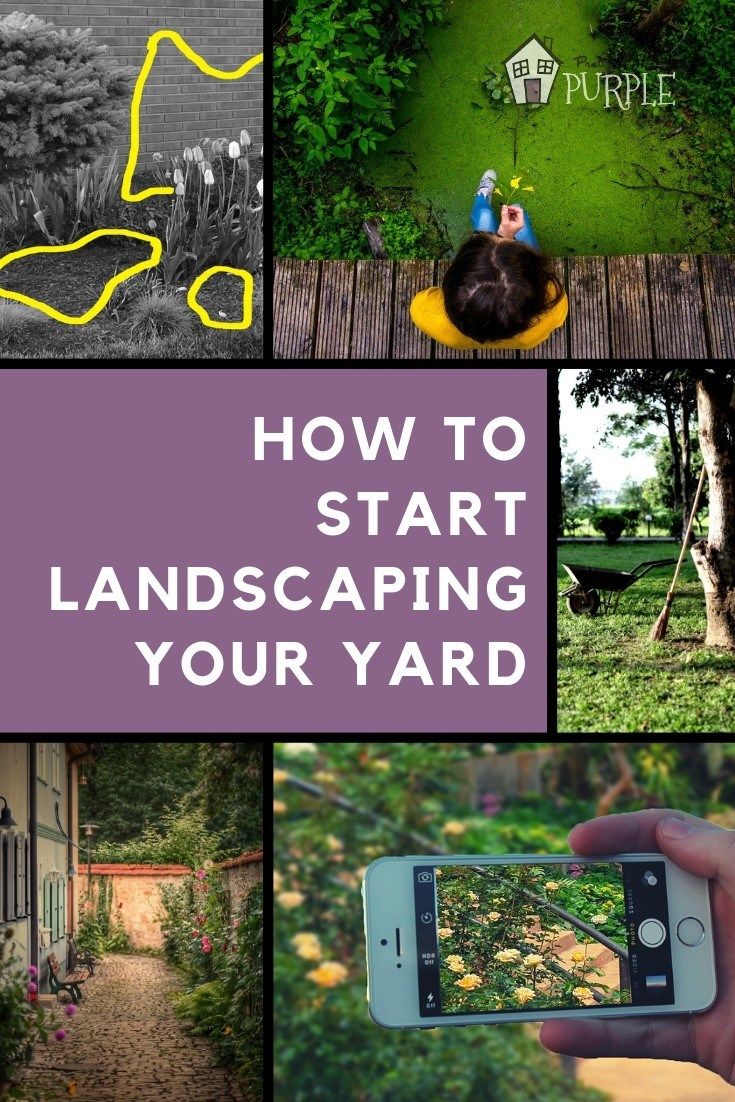
These elements also solve practical problems, such as preventing muddy footprints or providing a sturdy surface for outdoor furniture. By installing durable hardscaping first, you create a stable framework that supports the softer, more flexible components of your design. This ensures that your landscaping remains stable and visually consistent as the plants grow and seasons change.
Choosing Low Maintenance Plants
Selecting the right plants is crucial for beginners who want to keep things simple and sustainable. Opt for native species or well adapted perennials that are naturally resistant to local pests and drought conditions. These plants typically require less watering, fertilizing, and pruning, which frees you from constant garden upkeep and reduces the likelihood of common problems.
Focus on a mix of evergreen shrubs, ornamental grasses, and reliable flowering varieties to ensure year round interest. By limiting the number of different species, you make maintenance more predictable and create a unified aesthetic. This deliberate plant selection allows even a novice gardener to achieve a lush, vibrant look with significantly less work.


Enhancing Visual Appeal
Visual impact in landscaping comes from thoughtful arrangement rather than sheer complexity. You can dramatically transform a space by playing with texture, color, and scale. Combining smooth stones with feathery grasses or bold Hostas creates a dynamic contrast that catches the eye. These simple combinations add depth and richness without demanding advanced horticultural skills.
Another effective strategy is to use repetition to create rhythm and unity. Repeating the same plant variety in several groupings or echoing the color of your front door in your flower pots ties the entire yard together. This consistent application of basic design principles ensures that your landscape feels coherent and professionally styled, even on a beginner budget.
Using Containers and Vertical Space
Containers are one of the most accessible tools for beginner landscapers because they offer flexibility and require minimal ground preparation. Pots, planters, and window boxes allow you to experiment with color and texture while controlling soil quality and drainage. This method is ideal for small spaces, as you can move containers around to optimize sunlight and refresh the look seasonally.


Vertical gardening is another excellent way to maximize impact in limited areas. By using trellises, wall mounted planters, or hanging baskets, you draw the eye upward and create the illusion of more space. These techniques allow you to grow vines, flowers, or herbs without sacrificing valuable ground area, making them perfect for urban yards or compact outdoor settings.
Incorporating Simple Water Features
Adding a water feature is a highly effective way to introduce tranquility and movement into your landscape. For beginners, a small tabletop fountain or a modest bird bath provides a gentle focal point without complex installation. The soft sound of flowing water masks background noise and creates a calming atmosphere in your outdoor area.
These features also support local wildlife, attracting birds and beneficial insects that contribute to a healthy ecosystem. A simple water element ties your design together and adds a layer of sensory enjoyment. This easy upgrade significantly boosts the serenity and charm of your beginner landscape with very little maintenance.
Maintaining Your New Landscape
Ongoing maintenance is where many beginners stumble, but a few smart habits can keep your landscape looking great with minimal stress. Establishing a simple watering schedule, preferably in the early morning, ensures that moisture reaches the roots efficiently. Regularly removing weeds while they are small prevents them from competing with your desired plants for nutrients and light.
Investing in a good pair of gloves and a few basic tools, such as a sturdy trowel and pruner, makes routine tasks much more manageable. Seasonal tasks like mulching and light pruning help your plants stay healthy and vigorous. Consistent, small efforts are far more effective than infrequent, overwhelming work sessions.
Seasonal Care Tips
Understanding the seasonal needs of your garden is vital for long term success. In spring, focus on cleaning up debris, dividing overgrown perennials, and planting new annuals for a fresh burst of color. Summer care centers on consistent watering and monitoring for pests, ensuring that plants stay healthy during the hottest months.
As autumn arrives, shift your attention to preparing for the colder weather. This involves mulching around shrubs, planting bulbs for spring blooms, and storing delicate containers. By following these seasonal checkpoints, you can protect your investment and ensure that your landscape remains resilient and beautiful year round.
Embracing Imperfection and Growth
Accepting that not every plant will thrive perfectly is a liberating part of the beginner experience. Gardening is a continuous learning process, and even small mistakes offer valuable lessons for future projects. Instead of seeing gaps or failures as setbacks, view them as opportunities to adjust your approach or try new varieties.
This mindset encourages experimentation and creativity, allowing your landscape to evolve naturally over time. Your yard will mature and change, reflecting your growing skills and personal taste. By embracing this journey, you build confidence and develop a deeper connection with your outdoor environment.
As you gain experience, you will discover how these foundational principles support more ambitious ideas, letting your confidence and your garden grow together. Exploring these simple techniques sets the stage for a rewarding hobby that enhances your home and brings daily moments of outdoor pleasure.
Related Articles

Simple Backyard Landscaping Ideas No Grass On A Budget Low Cost Easy Yard Makeover
Creating a beautiful outdoor space without grass is more accessible and affordable than most people think, especially when you focus on simple backyard...

Simple Landscaping Ideas Around Above Ground Pool Design Easy Yard Makeover
Designing a simple landscape around an above ground pool transforms your backyard into a relaxing retreat without overwhelming complexity. The goal is to...
Simple Landscaping Ideas Around Inground Pool For Easy Backyard Makeover
Designing simple landscaping around inground pool can transform your backyard into a relaxing retreat without overwhelming complexity or constant maintenance...

How Can I Make My Front Yard Look Nice 10 Easy Yard Makeover Tips
Your front yard is the first thing anyone sees when they approach your home, and it sets the tone for the entire neighborhood impression. Instead of feeling...

Easy Garden Drawing Tutorial Simple Steps For Beginners
Creating a drawing of a garden easy is a wonderful way to bring the beauty of nature to your page without needing advanced artistic skills. This simple...

10 Simple Low Maintenance Landscaping Ideas For A Stunning Yard
Simple low maintenance landscaping is a smart approach for homeowners who want beauty without the constant stress of upkeep. Many people dream of a lush yard...