Simple Family Games Fun For Everyone
Simple family games are the quiet backbone of a connected home, offering moments of laughter without the noise of screens. These easy to learn activities fit naturally into everyday life, turning an ordinary evening into a memory worth repeating. With minimal setup and rules, they invite both children and adults to engage at a comfortable level.
Choosing the right games means focusing on accessibility, ensuring that grandparents, parents, and kids can all participate without frustration. The goal is shared enjoyment rather than intense competition, which helps build confidence in younger players. By prioritizing interaction over complexity, these moments become the stories you retell years later around the dinner table.
Classic Tabletop Fun
Classic tabletop games remain popular because they require nothing more than a table and a desire to laugh together. Cards, dice, and simple boards create structure while leaving plenty of room for improvisation and witty banter. This format easily adapts to different group sizes, from a parent and child to a large family reunion.


These low-tech options encourage players to look up from their devices and read facial expressions, tone of voice, and body language. The tactile experience of shuffling cards or moving pieces provides a satisfying rhythm that digital interfaces often lack. As a result, conversation flows more naturally, strengthening emotional bonds.
Card Game Simplicity
Games like Go Fish or simple trick-taking variations require only a standard deck of cards and a few minutes to explain. The rules can be adjusted on the fly to suit the age and skill level of each participant, making them incredibly flexible. Because the learning curve is gentle, reluctant gamers are often eager to join the table.

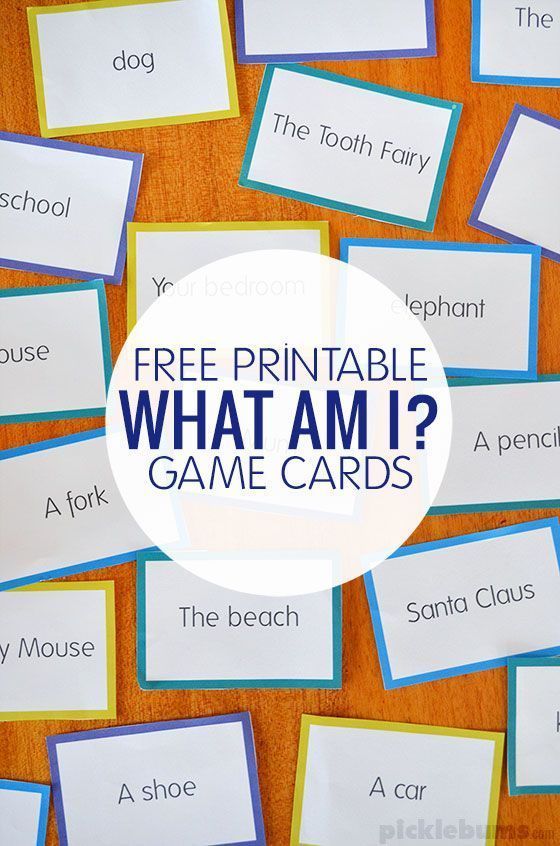

You can easily introduce strategy elements as children grow older, keeping the game fresh for years. The portability of a card deck means you can carry entertainment in a pocket or purse, ready for a spontaneous moment of connection. This turns waiting rooms or travel time into opportunities for shared laughter.
Board Game Basics
Quick board games designed for families focus on color recognition, counting, or simple word matching, ensuring that younger players stay engaged. The shared goal of reaching the finish line fosters a sense of teamwork, even if players are technically on opposing sides. Clear instructions and bright artwork help children grasp the concept of turn-taking without feeling overwhelmed.
These structured play sessions teach patience, as kids wait for their turn and observe the progress of others. Over time, they begin to understand rules and strategies, building cognitive skills in a relaxed environment. The sturdy components also mean the game can withstand enthusiastic handling from small hands.


Active Indoor and Outdoor Play
Active games transform living rooms, backyards, or parks into arenas of laughter and movement, ensuring that energy is spent constructively. They are perfect for burning off excess energy on days when sitting still feels impossible for younger family members. These activities emphasize cooperation and physical coordination rather than sitting in silence.
Because they often require everyday household items, there is little to no financial barrier to getting started. A ball, a scarf, or a few cushions can become the tools for hours of creative play. This encourages resourcefulness and imagination, as rules are invented and modified in real time.
Movement and Coordination
Simon Says or follow-the-leader games improve listening skills and gross motor abilities as children jump, crawl, or dance on command. The leader can rotate among family members, giving everyone a chance to guide the group and express their creativity. This constant change of pace keeps the activity fresh and prevents anyone from feeling left out.


Obstacle courses built with pillows, chairs, and tape promote problem-solving as players figure out the safest way to navigate the challenges. Timing each other on simple tasks, like stacking blocks or balancing on one foot, adds a gentle competitive edge without causing stress. The focus remains on participation and cheering each other on.
Creative Role-Playing
Improvising stories together, where each person adds a sentence or acts out a character, stimulates language development and creative thinking. You might pretend to be explorers in a jungle or chefs in a restaurant, using props to enhance the narrative. This type of play strengthens empathy as children consider different perspectives and respond to the ideas of others.
Simple costumes made from old clothes or blankets can turn a living room into a castle, a spaceship, or a magical forest. These games require no preparation and can last as long or as short as the family’s attention span allows. They create a safe space for shy members to express themselves through a character or alter ego.
Embracing simple family games means prioritizing presence over perfection, allowing spontaneous joy to fill the gaps in a busy schedule. As you experiment with cards, movement, and shared storytelling, you will discover which activities resonate most with your unique dynamic. This ongoing exploration keeps connections strong and builds a library of joyful traditions to pass down through generations.
Related Articles

Fun and Simple Picnic Games for Outdoor Family Fun
A simple picnic is often remembered by the laughter echoing across the grass, not the details of the spread, and that is where simple picnic games come in to...

Simple Video Game Ideas Easy Fun For Everyone
Simple video games ideas are often the most powerful way to bring people together without overwhelming anyone. These concepts strip away complex mechanics so...

Fun and Simple Baby Shower Games Everyone Loves
Planning a baby shower is an exciting time, and choosing the right activities can make the day unforgettable for everyone involved. Simple baby shower games...
Fun Simple Games for All Ages Everyone Can Enjoy
Simple games for all ages are a timeless way to bring people together, cutting across generations and turning ordinary moments into shared memories. Whether...

Simple Parlor Games Ideas Philippines Fun for Everyone
Planning a casual gathering in the Philippines often becomes more memorable when you bring people together with classic parlor games that spark laughter and...

Simple Christmas Eve Dinner Ideas For Family Festive Meals Easy Recipes
Planning a simple Christmas Eve dinner for your family can turn the holiday into a warm and memorable experience without unnecessary stress. The goal is to...